
The sun was still low over the Bay when I rolled open the garage door. There she sat — a 1994 Porsche 911, the car I'd driven up the Pacific Coast Highway years ago. The smell of old leather and cold metal filled the space. I ran my hand along the fender and wondered, not for the first time: when does a car become a classic for insurance? It's a question every enthusiast eventually asks.
You might have a similar story. A vintage Bronco in the driveway or a low-mileage Miata that has somehow turned twenty. The machine doesn't feel old to you. But to an insurance company, "old" means something very specific. And the answer changes how much you pay and how well you're protected.
What Counts as a "Classic" for Insurers?
The term "classic" isn't a legal definition. It's a marketing category, and every carrier sets its own rules. Specialty insurers like Hagerty, Grundy, and American Collectors look at three things: age, usage, and storage. Most use a rolling 25-year cutoff, though some accept cars as young as 15 years for limited-use policies. A 2005 Corvette could qualify at one company and be ignored at another.
But age alone isn't enough. Your car has to be a weekend toy, not a daily commuter. If you want agreed-value coverage and a premium based on limited miles, you're entering classic car territory. That leads to the real question: when does a car become a classic for insurance? It happens when the car's value and your driving habits align with a specialized policy.

The Age Rule Is Only the Start
Let's say your car is 25 years old. That's the easy part. Now look at the odometer. Specialty policies often cap you at 2,500 to 5,000 miles per year. Some carriers offer a "pleasure driving" allowance that covers car shows and club events. But if you're racking up 15,000 miles on a road trip every summer, you'll blow through that cap fast.
Storage matters too. A classic policy usually requires a locked garage, not a carport. And most insurers want you to own a separate daily driver, so the classic isn't your only transportation. The detail that makes the difference is "agreed value." Standard auto insurance pays actual cash value, which means depreciation eats your claim. Classic car insurance lets you and the insurer agree on a value up front. If you total your 1967 Mustang, you get that negotiated number, not a depreciated one.
How Classic Car Insurance Differs from Standard Coverage
The price difference is often dramatic. A standard policy on a second car might run $1,200 to $1,800 a year. A classic car policy with 3,000 miles of annual allowance often starts around $300 to $600 for similar coverage. The catch is you can't just drive it to work. The policy expects you to treat the car as a hobby, not a daily tool.
You'll also find different coverage types. Liability limits are usually higher, and you can add spare parts coverage, roadside assistance, and even coverage for car show expenses. Specialty insurers know their clients are collectors, so they may allow you to choose a repair shop instead of forcing you to a salvage yard.
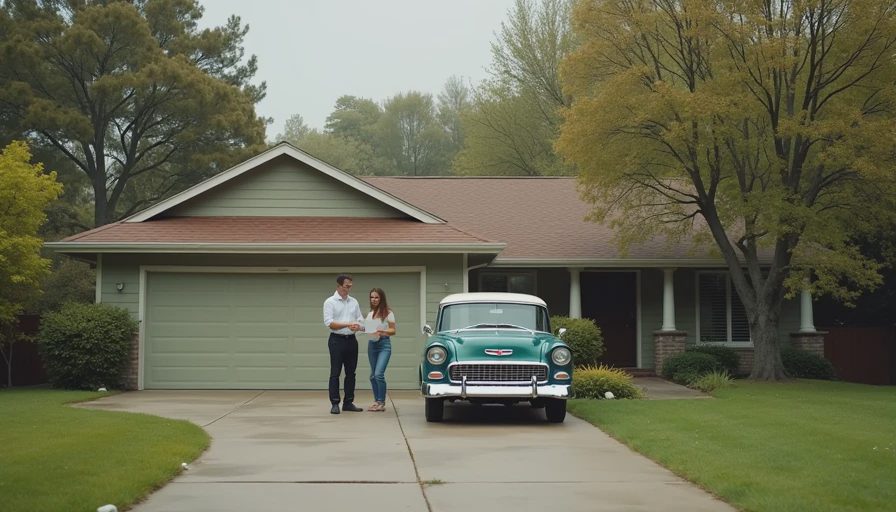
This is where the question "when does a car become a classic for insurance" gets concrete. It's not the year on the title. It's whether you'd rather insure the car's true worth or its book value. If you'd be heartbroken by a payout that doesn't cover your restoration costs, you've already answered the question.
A Quick Checklist to Test Your Car's Status
Grab a notepad and run through these. First, how old is the vehicle? If it's under 20, most specialty insurers won't touch it. Second, how many miles does it see per year? Be honest. Third, is it parked in an enclosed garage at home? Fourth, do you have a separate daily driver? Fifth, would you want a claim settled by a depreciation formula?
If you checked every box, a classic policy is worth a quote. If you missed a box, you can still shop around. Some carriers are more flexible than others. Geico and Progressive offer classic car endorsements through partners, while State Farm has its own collectors program. The trick is comparing the same coverage terms.
Let me give you a real-world example. A friend of mine, a teacher in Sacramento, bought a 1987 BMW 325i for $8,500. At first she insured it through a standard carrier at $1,100 a year. After switching to a Hagerty agreed-value policy with a 4,000-mile annual limit, her premium dropped to $480. That's the power of knowing when does a car become a classic for insurance.
The Takeaway: Protect What You Love
Some people try to cheat by lying about mileage. Don't. Insurers can check the odometer at claim time, and a low-mileage policy on a high-mileage car can lead to a denied claim or a canceled policy. If you're driving more than 6,000 miles a year, a standard policy might actually be the smarter choice, even if it costs more.
And if you're still wondering when does a car become a classic for insurance, remember: you don't need to wait for an official classification. You need to check your own habits and your car's condition. Once you pass the checklist, the savings and the protection are right there. So throw the tarp off, take that car out this weekend, and make sure you're insured for the right reason.