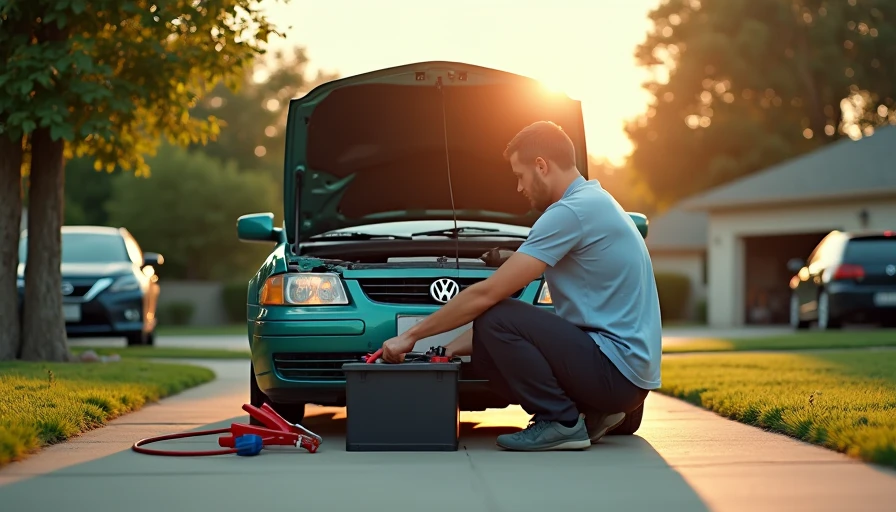
The first clue is often a small, disappointing sound: one click from the starter, followed by silence. If you are wondering how hard is it to change a car battery, the reassuring answer is that most conventional replacements are manageable for a careful beginner. The job often takes 20 to 45 minutes, requires a few basic tools, and costs less than a roadside service visit. It is not entirely casual, though. Batteries are heavy, can spark, and contain corrosive acid, so the setting and the process matter.
How difficult is the job for a beginner?
For a typical gasoline-powered sedan, changing the battery is usually an entry-level maintenance task. The battery sits under the hood, held by a retaining bracket, with a negative cable and positive cable attached to its terminals. You remove the negative connection first, then the positive connection, release the bracket, lift out the old unit, and reverse the order with the replacement.
The awkward part is usually not the mechanical work. A car battery can weigh 30 to 50 pounds, and some are tucked beneath an air-intake duct, windshield cowl, or trunk panel. A 2019 Subaru Outback, for example, has a fairly accessible engine bay, while certain BMW, Audi, and Mercedes-Benz models place the battery in less convenient locations or require registration through a diagnostic tool after installation.
If you can safely use a socket wrench and follow instructions without rushing, the answer to how hard is it to change a car battery is generally “not very.” If the battery is hidden, the vehicle has extensive electronics, or you are working in a narrow parking space, the difficulty rises quickly.
Tools, preparation, and safety
Before starting, park on a level surface, switch off the engine, remove the key or key fob from the vehicle, and open the hood. Avoid smoking, open flames, and metal jewelry. Wear safety glasses and gloves, especially if the old battery is cracked, leaking, or swollen. A 10-millimeter wrench or socket handles many terminal clamps, but check the owner’s manual before assuming.
You will typically need a replacement battery with the correct group size, terminal layout, and cold-cranking rating. The label on the old battery is useful, but the vehicle manual or a reputable parts retailer is a better confirmation. You may also want a memory saver, although it is optional. Some vehicles lose radio presets or clock settings when disconnected; others can trigger warning lights or require window, steering, or idle settings to be relearned.
Take a photo before disconnecting anything. It is an unglamorous step that prevents the classic mistake of putting the cables back in the wrong position. Never allow a wrench to bridge the positive terminal and a metal part of the body. That can create a dangerous short circuit.
The replacement process, step by step
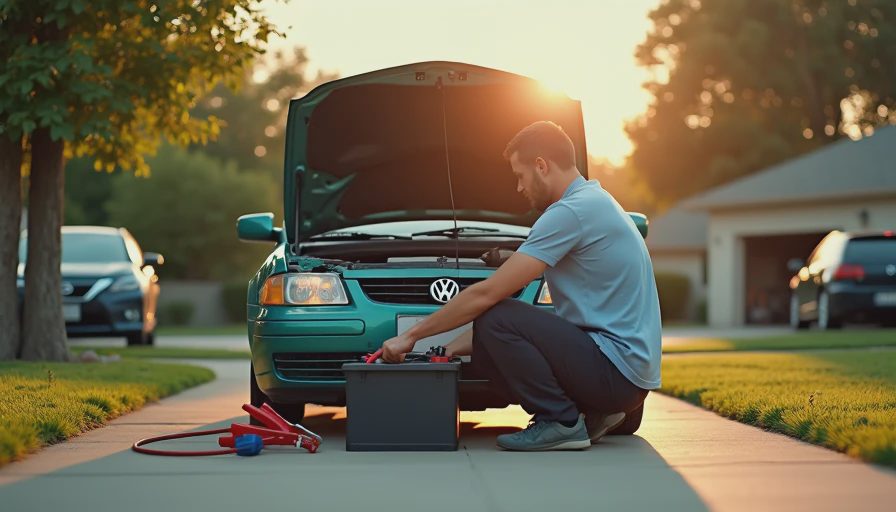
Start by identifying the negative terminal, usually marked with a minus sign and connected to a black cable. Loosen the negative clamp and move it aside so it cannot spring back into contact. Then disconnect the positive terminal, marked with a plus sign. If a plastic cover is present, lift it carefully rather than forcing it.
Next, remove the battery hold-down bracket or strap. Keep the hardware together; a dropped bolt can disappear into the engine bay. Lift the battery straight up with both hands, keeping it level. Do not tip it unnecessarily. Place the new battery in the same orientation, reinstall the bracket, and tighten it firmly without crushing the case.
Connect the positive cable first, followed by the negative cable. The clamps should sit fully down on the terminals and should not rotate by hand after tightening. Replace any terminal covers and confirm that tools, rags, and loose hardware are out of the engine compartment before closing the hood.
The detail that made the job easier for me was slowing down at the cable stage. The extra five minutes spent identifying the terminals is cheaper than replacing a fuse or chasing an electrical fault later.
What can make the job harder?
Some cars need more than a simple swap. A battery located in the trunk may require removing floor panels, a spare-tire cover, or ventilation tubing. In several European vehicles, the battery management system monitors charging and needs to be reset or registered after replacement. A hybrid vehicle can contain a small 12-volt battery plus a separate high-voltage traction battery; owners should not treat those systems as interchangeable.
Corrosion is another obstacle. White or bluish buildup around a terminal can make a clamp stubborn. Do not hammer directly on the terminal or pry aggressively against delicate wiring. A terminal-cleaning brush can help after the cable is removed, but severe corrosion, a leaking case, or a damaged cable is a sensible reason to stop.
This is also where the answer to how hard is it to change a car battery depends on the model, not your confidence. Search the owner’s manual for battery location, replacement specifications, and any required reset procedure before buying the part.

Battery cost versus professional service
A conventional replacement battery commonly costs about $120 to $250, depending on size, warranty, and whether it is a standard flooded design, enhanced flooded battery, or AGM battery. Luxury vehicles, start-stop systems, and larger SUVs can push the price higher. Installation at an auto-parts retailer, repair shop, or mobile service may add roughly $25 to $150, although some retailers include installation with qualifying purchases.
Doing the work yourself can save that labor charge, but it does not eliminate disposal. Lead-acid batteries should be recycled, and many retailers accept the old battery or apply a refundable core charge. Ask about the return process when purchasing the replacement.
If your car is parked at home and the battery is accessible, DIY replacement can be satisfying and economical. If you are stopped beside a busy highway, in freezing weather, or outside a hotel before a long drive, roadside assistance is often worth the cost. The safest repair is the one completed without traffic, poor visibility, or unnecessary pressure.
When replacement may not solve the problem
A dead battery is not always an old battery. A loose terminal, failed alternator, parasitic electrical drain, or interior light left on can produce the same symptoms. If the new battery goes flat within a day or two, the charging system deserves testing. Many parts stores can perform a basic battery and alternator check, while a repair shop can investigate an intermittent drain.
A battery that is more than three to five years old is a likely suspect, but age alone is not a diagnosis. Slow cranking, dim interior lights, repeated jump-starts, or a dashboard battery warning are useful clues. After installation, start the car and check that the battery warning light goes out. If it remains illuminated, arrange testing rather than continuing to drive and hoping the problem disappears.
The road-trip takeaway
So, how hard is it to change a car battery? For a standard vehicle with an accessible battery, it is a moderate do-it-yourself project: physically simple, electrically important, and best approached with patience. Confirm the correct part, disconnect negative before positive, secure the new battery, reconnect positive before negative, and recycle the old one.
Before a weekend drive through the mountains or a late departure for the airport, spend a few minutes checking the battery’s age and terminal condition. That small inspection can prevent an inconvenient parking-lot surprise. And if your vehicle requires battery registration, uses a hybrid high-voltage system, or has a battery buried under trim, professional help is not overcautious. It is the efficient choice.