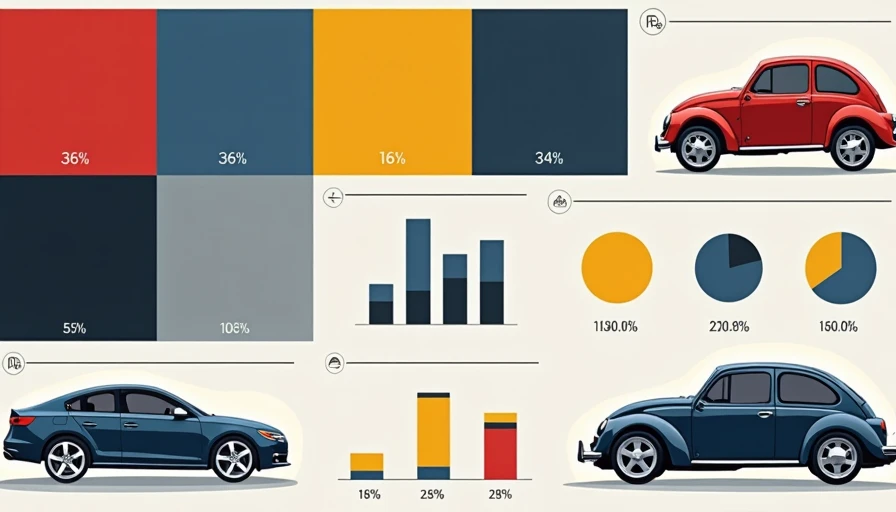
On a recent drive down the coast, I counted the cars in the lot at a famous clam shack: nine white SUVs, seven silver sedans, three black trucks, and one electric blue hatchback that looked like a child's drawing come to life. Car colors tell a story about the person behind the wheel, but they also quietly decide your resale value, your summer cabin temperature, and how many pollen-yellow stripes you'll be scrubbing off the hood in April. After years of writing about cars and driving across half the country, here's what I've learned about picking the right shade.
Why White Is Everywhere (and What It Costs You)
White is the safe choice. It hides dirt reasonably well, doesn't show swirl marks the way black does, and stays cooler in the sun. Rental fleets love it, which means the market is flooded with white off-lease cars. That's good for buying used, less good when you try to sell later. Dealers tend to pay a little less for a base white sedan because they see it as a commodity. A popular sky-blue or sage-green SUV, on the other hand, stands out in a sea of neutral paint and can recapture attention on a used lot. If resale matters to you, don't default to white just because it's easy.
The Science of a Hot Hood
Dark colors absorb heat. A black car parked in direct sunlight can reach an interior temperature around 160 degrees, while a white or silver car might stay twenty degrees cooler. That sounds like a summer problem, but it matters on every road trip. When you're hauling luggage out of a parking lot in July, those digits translate into how quickly the cabin cools and how comfortable you are at mile three. Ceramic window tint helps, but paint is the first line of defense. In Phoenix or Austin you'll feel the difference every single day. In Seattle, it barely registers.
The Invisible Safety Benefit of Bright Paints
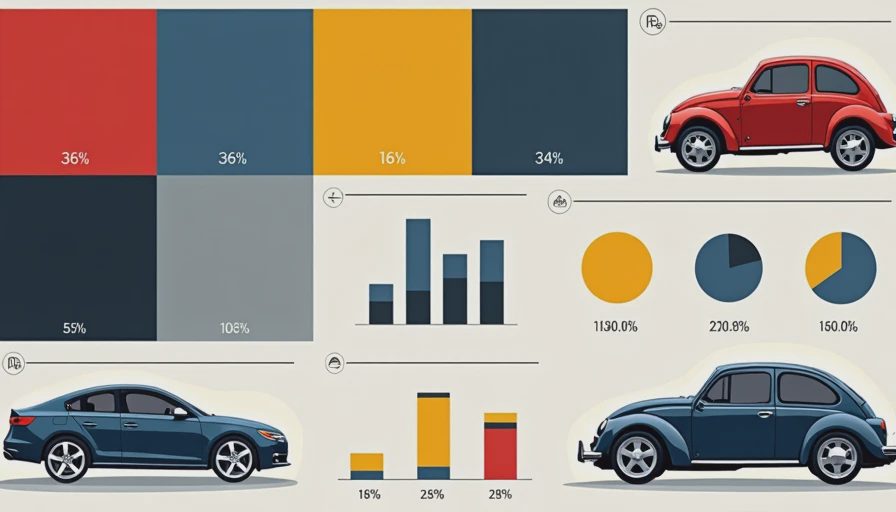
Research on crash risk and color is messy, but visibility is a real factor. Bright yellow, orange, and white stand out against gray pavement and rainy skies. Dark green, black, and dark blue blend into twilight and tree shadows. Lots of car colors look great in a showroom and disappear on a cloudy afternoon. I won't claim that switching from dark blue to bright red cuts your accident rate by half — that kind of statistic is too fuzzy to trust. But after a rainy hour on Highway 1, you'll appreciate a color that punches through fog. Ride-share drivers often choose white or silver for exactly this reason.
Colors That Hide Dirt (Really)
Silver and light gray are the unsung heroes of low-maintenance living. They show road grime less dramatically than black, and they don't yellow the way some older white paints do. If you live on a gravel road, nothing beats a matte finish — except that matte paints are harder to wash and expensive to touch up. For most drivers, light gray is the perfect compromise: it cleans up fast and still looks respectable at a drive-through. If you're comparing car colors for a daily commute, pearl white and champagne beige are also excellent at masking dust.
The Road Trip Factor: Color and Mood
You're going to spend hours staring at your hood or the car in front of you. A color that feels cheerful at the dealership might feel exhausting at hour six on an empty Nevada highway. Bright red gets tiring. Lime green never stops being loud. Pale blue and warm beige keep a calm temperament. I drove a white car for years and never once wished it were yellow. When I rented a burnt-orange SUV in Arizona, the color made every sunset feel twice as bright. That same orange probably would have annoyed me in a city garage. Think about the backdrop you'll drive through most.
Special Paints, Wraps, and the Cost of Standing Out
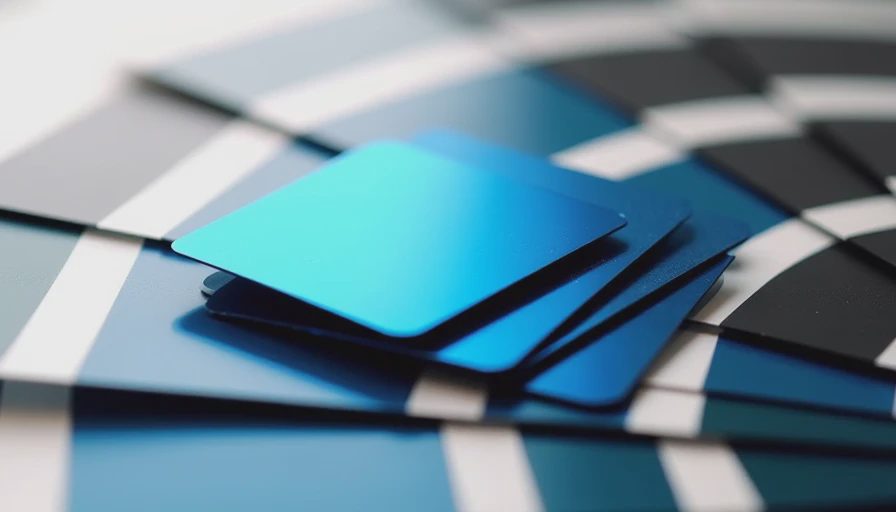
If you want something outside the standard palette, think about how you'll get it. A factory paint job in an unusual color can add anywhere from $500 to $2,000 on a new car, depending on the brand and finish. Pearl paints and metallic tri-coats cost more to repair, and a bumper scuff that's easy to blend on a solid color can turn into a full panel respray when the paint has a weird sheen. If you're drawn to unusual car colors but worry about resale, a vinyl wrap is a smarter temporary move. Wraps run around $2,000 to $5,000 for a full car, and they protect the original paint underneath while giving you that matte gray or neon yellow you're craving. Just remember that a wrap can be removed, while a factory color is yours for the life of the car.
How to Choose Without Second-Guessing Yourself
Start with your head: resale, heat, dirt. Then move to your heart: what makes you look back as you walk away. Take paint samples outside into daylight before you order, because showroom lighting flatters every color. Ask to park the test car in direct sun, and try to see it after rain. If you're shopping for car colors on a used lot, bring a friend and stand at a distance. Colors look different from ten feet than from a driver's seat.
Car colors are a personal choice, but they don't have to be a gamble. Pick a shade that suits both your lifestyle and your road-trip fantasies. Whether you're chasing sunsets in a powder-blue convertible or hauling kayaks in a forest-green wagon, you want to remember the drive as much for the road ahead as for the color you're driving.