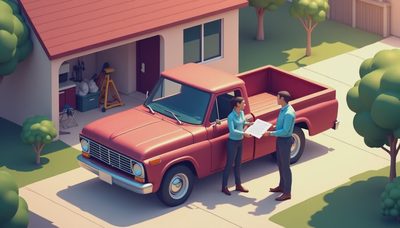
The first thing you notice in a parking lot is often the shine of the paint or the coffee cooling in the cup holder. The second is whether the car feels ready for the miles ahead. A **vin recall check** fits into that second category: not glamorous, absolutely essential. If you drive often, shop used cars, or plan road trips with the same care you give restaurant reservations, this quick search is one of the smartest safety habits you can build.
A recall is issued when a vehicle, car seat, tire, or equipment has a safety-related defect or fails to meet a federal safety standard. That can mean anything from faulty air bags to a fuel system issue or a rearview camera problem. The good news is that an open recall repair is typically done at no cost to the owner. The better news is that checking takes only minutes.
What a VIN recall check actually tells you
A VIN is your vehicle identification number, the 17-character code tied to one specific car. Think of it as the car's passport. When you run a **vin recall check**, you are not getting a broad model-year rumor or a forum thread full of half-answers. You are checking whether your exact vehicle has an open recall that still needs repair.
That distinction matters. Two cars parked side by side may look identical, but one could be covered by a recall and the other might not, depending on build date, factory, or installed parts. A proper search helps cut through the noise.
In most cases, the results will show open safety recalls from major manufacturers such as Toyota, Honda, Ford, Chevrolet, Subaru, BMW, or Tesla. If there is an open campaign, the listing usually includes a short description of the issue and next steps. Some tools also note when no unrepaired recalls are found, which can be reassuring when you are preparing for a long drive or comparing used-car options.
Where to run a VIN recall check without wasting time
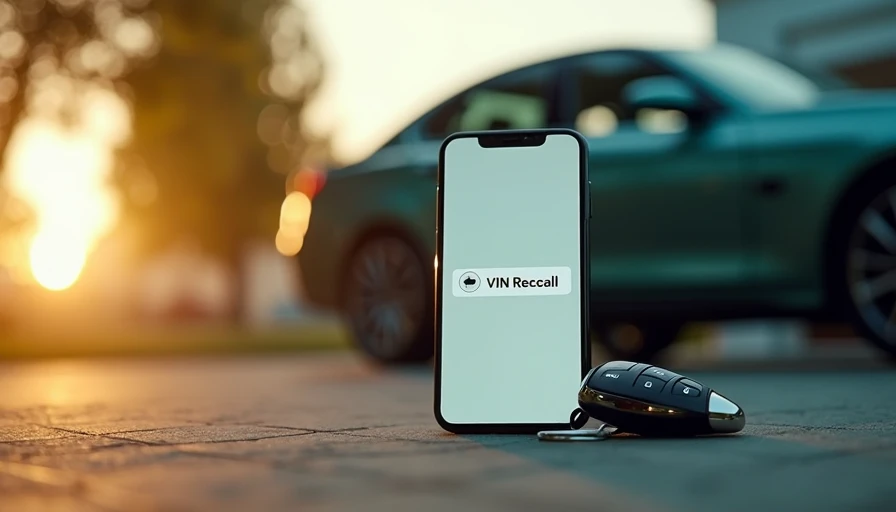
Skip the obvious thing. Do this instead: start with the official NHTSA recall lookup tool or the automaker's own recall page. NHTSA, the National Highway Traffic Safety Administration, lets you enter your VIN and search for unrepaired safety recalls tied to that vehicle. It is free, fast, and easy to use on your phone while standing next to the car.
The manufacturer site is also useful because it can connect you directly to dealer service scheduling. If you own a Ford, Nissan, Hyundai, Kia, Jeep, or another mainstream brand, their recall portal often gives more repair-specific detail and can help you find parts availability.
You can usually find the VIN in a few places: at the base of the windshield on the driver's side, on the driver's door jamb sticker, on your insurance card, or on the registration. If you are shopping for a used car at a dealer or in a private sale, ask for the VIN before you get emotionally attached to the leather seats or panoramic roof.
A year later, what I still think about is how many people will compare trim packages for hours and skip this two-minute search.
Why this matters before you buy a used car
Used-car shopping has a way of turning practical people into optimists. The test drive goes well, the service records look decent, and suddenly that compact SUV starts feeling like a weekend escape plan. But a **vin recall check** belongs on the same checklist as a title review, vehicle history report, and pre-purchase inspection.
Open recalls are not always deal-breakers, but they are leverage and they are information. If a seller says, "It runs great," that may be true and still not address a known safety defect. You want to know whether a recall involves something minor, like a label or software update, or something more serious, like brakes, steering, or air bags.
If you are buying from a franchised dealer, ask whether any open recalls have already been completed. If you are buying private-party, verify the recall status yourself. For drivers financing a used vehicle or adding full coverage, this step also supports peace of mind. Insurance helps after a loss. A recall repair helps you avoid one in the first place.
What to do if your search finds an open recall
Here's what you smell first, what you notice second, and what you'll remember a year from now: first, the slight panic; second, the relief that there is a process; and later, the fact that the repair usually cost nothing. If your **vin recall check** shows an open recall, contact a franchised dealer for your vehicle brand and schedule the repair.
Be ready with your VIN, current mileage, and preferred dates. Ask whether the remedy is available now and whether parts are in stock. For straightforward fixes, the visit may be relatively quick. For bigger repairs, the dealer may need to order parts or keep the vehicle longer. Some dealerships offer shuttles, loaners, or pickup options, though that varies.
If the issue feels urgent, ask whether the manufacturer has issued any guidance about driving the vehicle before repair. Not every recall means park the car immediately, but some defects deserve faster action than others. Keep your confirmation emails and service paperwork after the work is done.
How a VIN recall check fits into smart car ownership
Good car ownership is rarely about one dramatic moment. It is a collection of small habits: checking tire pressure before a highway run, replacing wiper blades before winter, comparing insurance quotes when your renewal jumps, and running a **vin recall check** once in a while. I like doing it before a road trip, after buying a vehicle, and any time recall news starts circulating around a model I know.
This is also a smart move for households with multiple cars, teen drivers, or an aging second vehicle that gets less attention than the daily commuter. If your family rotates between a sedan, a crossover, and a pickup, keep a note with each VIN in your phone. That makes routine checks simple.
And if you are already in research mode, pair recall awareness with a quick insurance review. Safer, up-to-date vehicles can help support better long-term ownership costs, especially when you combine maintenance discipline with competitive coverage shopping. The takeaway is simple: run the search, book the repair if needed, and get back to driving with one less question in the back of your mind.