I first heard a BNR34 Skyline GT-R before I saw one. It was a gray afternoon in Japan's Gunma prefecture, and the sound—a snarling, turbocharged straight-six with a titanium exhaust—echoed off the hillsides. The pitch shifted as the driver lifted off, and I remember thinking: *that's not just a car, that's a mechanical orchestra.* Twenty years later, the Skyline GT-R BNR34 still commands that kind of reverence. If you've ever wondered why this particular generation of Godzilla is so revered, you're about to find out.
The Rise of Godzilla
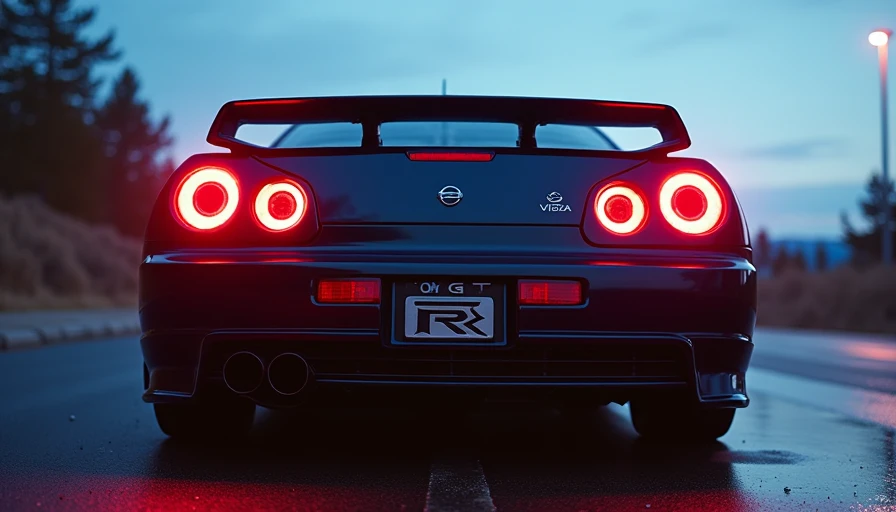
Nissan didn't set out to build a legend when they first launched the R32 GT-R in 1989. They wanted to dominate Group A touring car racing—and they did. The R33 refined the formula, but it was the BNR34, produced from 1999 to 2002, that perfected it. Under the hood sat the RB26DETT, a 2.6-liter twin-turbo inline-six that, by most accounts, was underrated from the factory. Nissan claimed 276 horsepower (a gentlemen's agreement among Japanese automakers at the time), but tuners quickly found that figure was conservative by 50–80 hp. The BNR34's chassis was stiffer, its ATTESA E-TS Pro all-wheel-drive system smarter, and its design more aggressive. It was the car that officially earned the nickname "Godzilla" in the motoring press.
What the BNR34 Does Differently
Driving a Skyline GT-R BNR34 is a sensory overload. The RB26's five main bearings and cast-iron block make it anvil-reliable—even 20 years later, a well-maintained example pulls hard from 4,000 rpm to its 8,000 rpm redline. The turbos spool in sequence: the first comes on at about 3,000 rpm, and by 5,000 you're pinned to the seat. The steering, hydraulic, not electric, sends every ripple of the pavement through the wheel. And the brakes—four-piston calipers up front—haul the 3,400-pound coupe down from triple digits with authority. But it's not just about raw performance. There's a finesse to the way the GT-R rotates through corners, the rear-biased AWD system letting the tail slide just enough before reeling it in. It rewards smooth inputs, not brute force.
The Daily Driver Spectrum
Owning a BNR34 today means accepting compromise. This is a car from a time before infotainment screens, before cylinder deactivation, before any thought of fuel economy. The cabin is snug, the rear seats are child-sized, and the ride is firm. But that's part of its charm. On a weekend morning, heading out of San Francisco toward the winding roads of Highway 1, the GT-R transforms into something magical. The view over the hood's power bulge, the turbo whistle at partial throttle, the way the chassis settles into a long sweeper—it's a connectedness that modern cars, for all their speed, often lack. Parts are getting harder to find, especially the N1-spec turbos and the ceramic-coated downpipes, but a dedicated network of specialists keeps these cars alive. A clean example with under 60,000 miles now trades north of $150,000, making it a serious investment as well as a driving tool.
Cultural Impact: From Gran Turismo to Grail Status
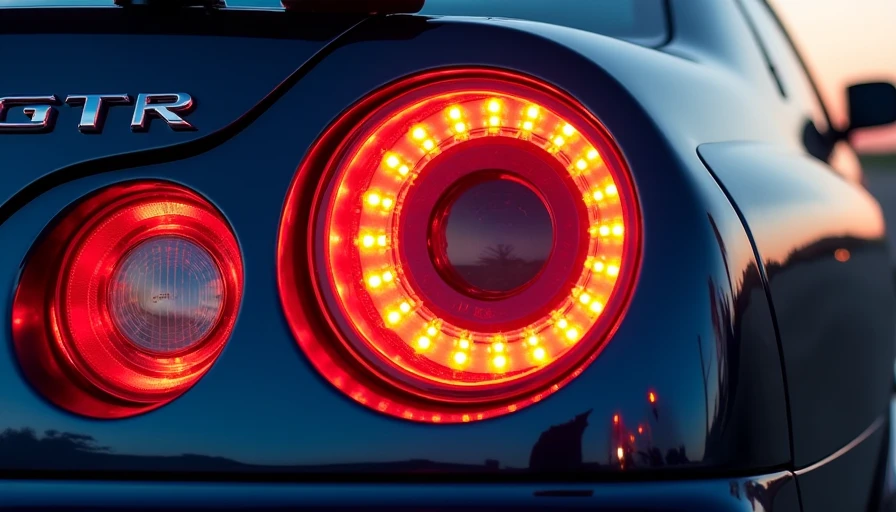
You can't talk about the Skyline GT-R BNR34 without mentioning its digital life. For a generation of enthusiasts, the first time they drove a BNR34 was in a video game—*Gran Turismo*, *Forza*, *Need for Speed*. That pixelated introduction created a demand that real-world supply couldn't match. The BNR34 wasn't officially sold new in the United States (it skirted the 25-year import rule until 2024), so for years it existed only in magazines and on screens. Now that examples are legal to import, they've become instant collector items. Walk through any cars-and-coffee gathering in Southern California or Florida, and you'll see a crowd around a Midnight Purple III BNR34, owners swapping stories about their RB26 builds and road trips to the Tail of the Dragon. This car bridges generations.
Why It Still Matters
The Skyline GT-R BNR34 is a benchmark because it embodies an era when Japanese engineers chased performance without compromise. It's the car that proved an everyday-usable coupe could beat Ferraris and Porsches on a track—and then drive you home in comfort. Its all-wheel-drive system predicted the future of high-performance vehicles, and its engine tuning potential remains legendary. But more than specs, the BNR34 represents a feeling: the thrill of a machine that rewards skill and respect. If you ever get a chance to drive one, don't pass it up. Roll the windows down, listen to the exhaust crackle on the overrun, and you'll understand why, two decades later, we still can't stop talking about it.
Where to Find One and What to Look For
If you're in the market, imported examples range from $80,000 for a rough but running car to over $200,000 for a museum-quality V-Spec II Nur. Watch for rust around the rear strut towers, verify the transmission synchros (the Getrag 6-speed is stout but not indestructible), and check the turbo wastegate operation. Join forums like GT-R Register or Skyline Owners Club to find vetted sellers. And when you finally park it in your garage, give yourself a moment. That engine note, that stance, that history—it's all there, waiting for the next drive.