There’s nothing quite like the sound of a classic pickup’s engine rumbling to life on a crisp morning — that low, throaty roar that says you’re about to drive something built with purpose. Whether it’s a 1965 Ford F-100 or a 1972 Chevrolet C10, these trucks aren’t just vehicles; they’re rolling pieces of history. But before you take yours out for a weekend cruise or a cross-country road trip, you need the right protection. That’s where **classic pickup insurance** comes in. Unlike a standard auto policy, this specialized coverage is designed to match the true value of your vintage truck, not its depreciated blue book figure. Here’s what you need to know.
The first thing to understand is that classic pickup insurance isn’t one-size-fits-all. Most antique auto insurers offer what’s called “agreed value” coverage. Instead of a typical policy that pays actual cash value (which drops the second you drive off the lot), an agreed value policy determines your truck’s worth upfront — say, $25,000 for a fully restored 1967 Dodge D100. If it’s totaled, that’s exactly what you get. No haggling. No surprise deductions. That peace of mind is why so many collectors choose classic pickup insurance over a standard plan.
But not every classic qualifies. Insurers typically require that your pickup is at least 25 years old and used primarily for shows, parades, and occasional pleasure driving — not your daily commute. Some companies limit annual mileage to 2,500 or 5,000 miles per year. And they often want it stored in a secure garage when not on the road. These restrictions might sound limiting, but they’re exactly what keeps premiums affordable. I’ve seen classic pickup insurance policies run as low as $300 to $600 per year for a well-maintained, low-mileage truck.
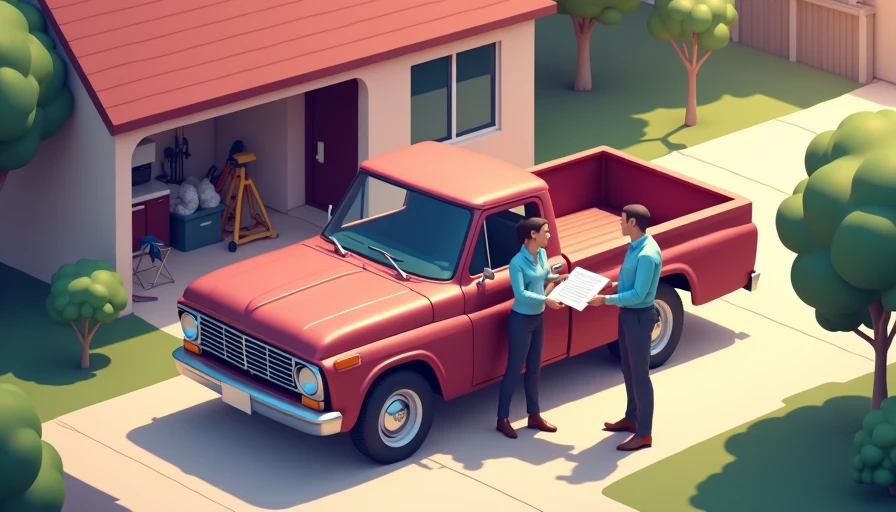
Why Classic Pickups Need Special Insurance
You might wonder: can’t I just add my classic pickup to my existing car insurance? You can, but you’ll almost certainly be underinsured. Standard policies use depreciation formulas that can cut a classic truck’s value in half within a decade. Try finding a replacement 1955 Ford F-100 for the $8,000 your insurer says it’s worth. Plus, many classic pickups have unique features — restored interiors, custom paint, or original hard-to-find parts — that a generic policy won’t cover adequately. With classic pickup insurance, you can often include coverage for spare parts, restoration costs, and even an option to have the vehicle towed to your preferred shop rather than a random salvage yard.
Another reason is liability. If you’re driving a classic pickup to a local car show and someone sues you after an accident, your standard policy limits might not be enough. Classic pickup insurance typically offers higher liability limits tailored to collectors, plus uninsured motorist coverage and roadside assistance designed for vintage vehicles. One provider even offers a spare parts endorsement that covers up to $5,000 worth of parts stored at home. That’s a lifesaver if you’ve got a crate engine waiting in the garage.
What to Look for in a Policy
When shopping for classic pickup insurance, focus on three things: agreed value, usage restrictions, and company reputation. First, make sure the policy is “agreed value” not “stated value.” Stated value means the insurer can still depreciate the payout at claim time. Avoid that. Second, read the fine print on mileage limits and storage requirements. Some companies demand a second vehicle for daily use, while others don’t. Third, check the carrier’s financial stability and claims history. Hagerty, Grundy, Heacock, and Condon Skelly are all household names in the classic car space. Each has its own niche — for example, Hagerty offers roadside assistance that includes flatbed towing for low-clearance vehicles, which is crucial if your pickup has a dropped suspension.
Don’t forget to ask about “show and exhibition” coverage. If you drive your classic pickup to a Cars & Coffee event 20 minutes away, is that considered a “pleasure drive” or a “show”? Most policies define it broadly, but some require you to specify. And if you plan to take your vintage truck on longer road trips (like the two-week Route 66 dream I’m planning for my own ’72 C10), look for a policy that includes trip delays or emergency expense coverage. It’s a small add-on that can save you a hotel bill if the truck needs an unexpected repair.

Top Insurance Providers for Classic Pickups
I’ve researched a handful of insurers that consistently earn high marks from classic truck owners. **Hagerty** is the biggest, and they’re well-known for their flexible agreed value policies and excellent customer service. They also run the Hagerty Drivers Club with events and resources. **Grundy** specializes in cars driven to shows and back — they often have lower premiums if you keep your mileage under 2,500 annually. **Heacock** is great for mid-range classics, offering inflation protection that automatically adjusts your coverage amount as collector values rise. **Condon Skelly** has been around since the 1970s and is perfect if you’re on a budget, though their claims process is a bit more old-school. **American Modern Insurance** also offers classic policies and is known for bundling with home or other vehicles.
Each company has its own underwriting rules. For instance, Hagerty allows some daily driving if the truck is your only vehicle, while Grundy typically requires a separate daily driver. Always get at least three quotes. I’ve found that rates for classic pickup insurance can vary by as much as 40% for the same truck and driver profile.
How to Save on Classic Pickup Insurance
Premiums are already reasonable, but you can lower them further. Join a recognized car club — many insurers offer a discount for club membership. Keep your pickup garaged and install a security system. Some companies knock off 5-10% for GPS tracking or immobilizers. Limit your annual mileage to the lowest tier your driving style allows. And consider increasing your deductibles to $500 or $1,000, which can cut your rate by 15%. Just make sure you can afford that deductible if something happens.
Also, bundle if you can. If your classic pickup insurer also offers home or modern auto policies, combining them often brings a multi-policy discount. And don’t be afraid to negotiate. When I insured my 1972 C10, I asked Hagerty if they could match a lower quote from Grundy — they did, with a slight adjustment. It never hurts to ask.
Final Thoughts
Your classic pickup is more than just a vehicle — it’s a connection to a time when trucks were built to last, and every drive is an experience. Protecting it with the right classic pickup insurance ensures that whether you’re heading to a local show or embarking on a cross-country adventure, the only thing you’ll worry about is where to stop for pie. Do your research, get multiple quotes, and read the policy details carefully. A year from now, when you’re still driving that beautiful old truck, you’ll be glad you did.