You hear it before you see it—that uneven, throaty idle that modern cars have all but lost. Then there's the faint smell of gasoline, raw and unburned, drifting from the engine bay. If you've ever peeked under the hood of a classic car, you've seen the brass-and-aluminum device sitting atop the intake manifold, looking more like a piece of industrial art than a precision component. So, what's a carburetor? Simply put, it's the device that mixes air and fuel in the right ratio for combustion, feeding the engine the mixture it needs to run. Before fuel injection took over in the 1980s, every car had one.
How a Carburetor Works: The Basics
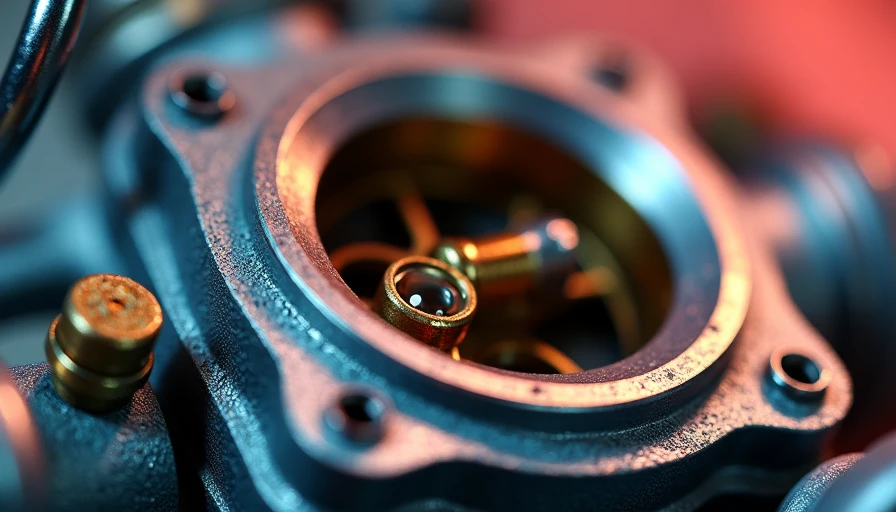
A carburetor operates on a principle that's both elegant and simple: Bernoulli's principle. As air flows through a narrow section called the venturi, it speeds up and drops in pressure. That pressure drop pulls fuel from a float chamber through a small nozzle (called a jet) into the airstream. The throttle plate controls how much air enters, and the idle circuit keeps the engine running when your foot is off the gas. It's a mechanical system with no electronics—just springs, gaskets, and carefully calibrated holes. Brands like Holley and Weber have been perfecting this design for decades. Now that you know what's a carburetor, you can appreciate the engineering that kept engines running for nearly a century before electronic controls became standard.
Why Classic Car Enthusiasts Still Care
For someone restoring a 1969 Mustang or a 1972 VW Beetle, a carburetor isn't just a part—it's the heart of the engine. Modern fuel injection is more efficient, but carburetors are simpler to rebuild and tune with basic hand tools. There's a tactile satisfaction in adjusting the air-fuel mixture screw by feel, listening to the engine respond. Plus, many classic engines were designed for carburetors; swapping to fuel injection can be expensive and requires extensive modifications. So understanding what's a carburetor—and how it works—is essential for anyone who wants to keep a vintage car on the road. It's also a gateway to understanding a whole era of automotive history.
Carburetor vs. Fuel Injection: Key Differences
Fuel injection uses electronic sensors and injectors to deliver precise amounts of fuel, improving efficiency and reducing emissions. Carburetors, by contrast, are entirely mechanical and less accurate. That's why we saw a shift: by the late 1980s, emissions standards forced automakers to adopt fuel injection. But for performance and simplicity, carburetors still have a place. A well-tuned four-barrel carburetor on a big-block V8 can deliver immense power, and many hot rodders prefer them for their adjustability. To appreciate the difference, first understand what's a carburetor—it helps you see why fuel injection became necessary while also respecting the carburetor's role in hot rodding culture.
Common Carburetor Problems and How to Fix Them
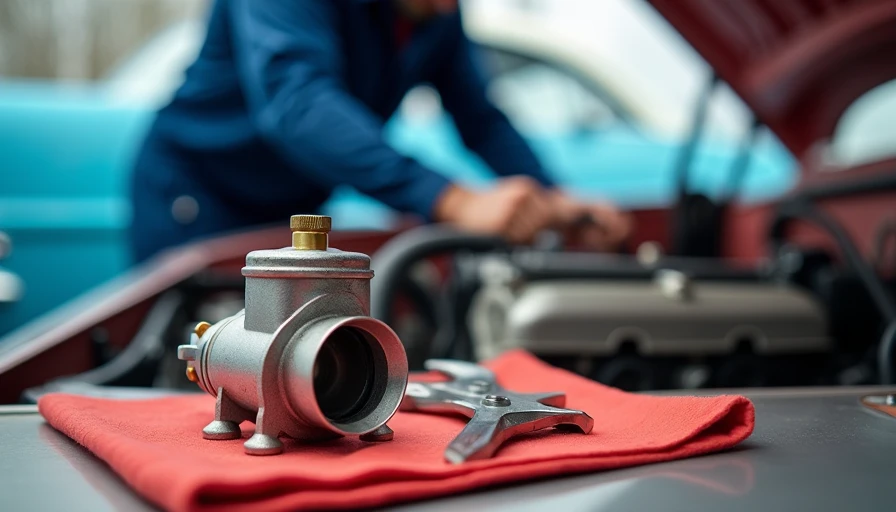
If you own a car with a carburetor, you'll eventually run into issues. The most common: flooding (excess fuel), a sticky float, clogged jets, or vacuum leaks. The good news? Most are fixable with a rebuild kit and some patience. Start by checking the fuel level in the float bowl, then inspect the gaskets and hoses for cracks. A basic carburetor tune-up involves cleaning the jets, adjusting the idle mixture, and synchronizing multiple carbs if you have them. Before you can diagnose issues, you need to know what's a carburetor and how it behaves—that understanding turns a frustrating stumble into a satisfying fix.
Is It Worth Learning About Carburetors Today?
You might be wondering if it's worth the effort. For anyone driving a modern car, the answer is no—your car likely has electronic fuel injection that requires diagnostic tools. But if you're drawn to classic cars, motorcycles, or small engines, knowing what's a carburetor and how to service it is a valuable skill. It connects you to a simpler era of automotive engineering, where you could fix a car with a screwdriver and a can of carburetor cleaner. Plus, there's something deeply satisfying about hearing that engine start and idle perfectly after your own adjustment. I still remember the first time I rebuilt a carburetor on a friend's 1975 Porsche 914—the engine fired up and settled into a smooth idle, and I felt like I'd unlocked a secret.
Basic Carburetor Maintenance Checklist
Keeping your carburetor in top shape doesn't require a mechanic. Follow this simple checklist to ensure reliability and performance. First, inspect the air filter: a dirty filter restricts airflow and causes a rich mixture. Replace it every 12,000 miles or annually. Second, check for vacuum leaks using a can of carburetor cleaner—spray around the base gasket and intake manifold; if the engine speeds up, you've found a leak. Third, adjust the idle mixture screw: turn it in until the engine stumbles, then back out 1.5 turns for a baseline. Fourth, look at the float bowl gasket: a dried-out gasket leads to fuel drips. Replace it if it's brittle. Fifth, clean the jets periodically with compressed air and a soft wire—never use a drill bit, which can enlarge the opening. Finally, consider adding a fuel filter if your car doesn't have one; modern fuel with ethanol can clog jets. Spending 30 minutes on these steps will keep your engine running smoothly and prevent roadside failures. Understanding what's a carburetor is the first step; maintaining it is how you keep the classic spirit alive.
Final Thoughts
Whether you're restoring a family heirloom or just curious about the engine in your classic car, the carburetor is a fascinating piece of technology. It's not just a component—it's a link to a time when cars were more mechanical and less digital. So the next time you hear that uneven idle, you'll know exactly what's going on under the hood. If someone asks you what's a carburetor, you can now explain it with confidence: it's the heart of a classic car's fuel system, a device that mixes air and fuel through pure physics, and a reminder of why many of us fell in love with cars in the first place.