The first thing you notice is often the ordinary stuff: the soft thud of a Honda door closing, the coffee smell in the cupholder, the map glowing on the screen before a weekend drive. Then reality cuts in. A warning light, a news alert, a dealer email. That is when a **Honda VIN recall check** becomes less of a box to tick and more of a smart habit. If you own a Civic, CR-V, Accord, Pilot, Odyssey, or you are shopping for a used Honda, checking recalls by VIN is one of the quickest ways to protect your time, money, and safety.
What a Honda VIN recall check actually tells you
A VIN is your vehicle identification number, the 17-character code tied to your specific car. A **Honda VIN recall check** uses that number to see whether your exact vehicle has any open safety recalls that still need repair. That matters because recalls are not broad rumors or internet chatter. They are manufacturer-issued safety campaigns for confirmed defects that can affect airbags, fuel pumps, steering, brakes, backup cameras, or software.
The useful distinction here is between a recall and a service bulletin. A recall addresses a safety-related defect or compliance issue and is repaired at no charge. A technical service bulletin, on the other hand, gives dealers diagnostic or repair guidance but is not the same thing as a free safety repair. If you are comparing used cars, this difference can save you from making assumptions.
For buyers, a VIN check adds a layer of confidence beyond the test drive. For owners, it helps you catch unfinished recall work before a long commute or road trip. Here is what you smell first, what you notice second, and what you'll remember a year from now: peace of mind tends to come from small, boring checks done at the right time.
Where to run the check and what information you need
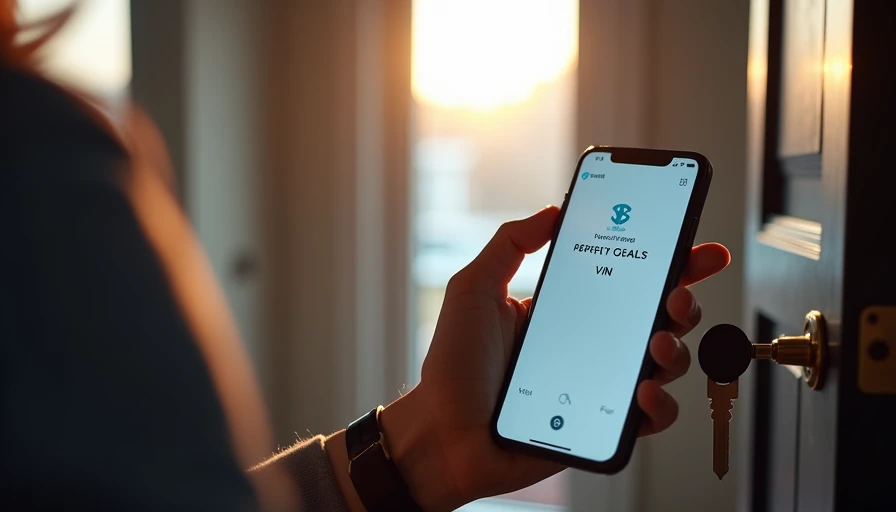
The simplest route is the official Honda recall lookup page or the NHTSA recall search tool. Both typically ask for the VIN, and both can show open recalls tied to that specific vehicle. You can usually find the VIN at the base of the windshield on the driver side, on the driver's door jamb sticker, on your registration, or on your insurance card.
When I am looking at a used Honda listing, I like to do the **Honda VIN recall check** before I get attached to the photos or the monthly payment. It takes a minute, and it tells you whether the seller has stayed on top of basic safety work. If a recall appears, that does not automatically mean walk away. In many cases, the fix is straightforward and free at an authorized Honda dealer.
You should also check the date of the search. Some tools show only unrepaired recalls, which is what most drivers care about most. If you recently bought the car, it is worth calling a Honda dealer service department with the VIN and asking whether all recall remedies have been completed. That extra step is especially smart if the vehicle changed hands recently or sat on a small used lot.
Why recall status matters when buying or insuring a used Honda
Used Hondas are popular for good reason. They are practical, generally reliable, and easy to live with. But reliability and recall status are not the same thing. A car can drive beautifully and still have an open airbag or fuel system recall waiting in the background.
If you are financing the vehicle, unresolved recall work can become an immediate to-do after purchase. If you are getting quotes, insurers mainly price based on factors like driving history, age, ZIP code, coverage limits, and the model itself, but the overall condition and risk profile of the car still matter. A vehicle with completed safety work is simply a better ownership story. It is also easier to feel good about loading up for a family weekend or a long interstate run.
The detail that made the trip: ask the seller for the VIN before you visit. If they hesitate, that is useful information. If they provide it, run the **Honda VIN recall check**, then ask for maintenance records and proof of recall completion if any campaigns appear in the history. A transparent seller makes the entire shopping process calmer.
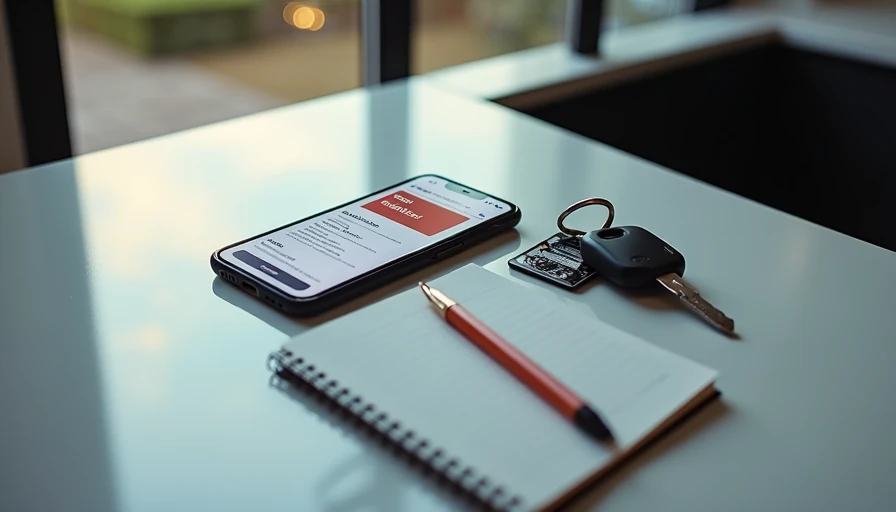
What to do if your Honda has an open recall
If your search shows an open recall, the next move is simple: schedule service with an authorized Honda dealer. Safety recall repairs are typically performed at no cost to the owner. Parts availability can vary, especially for older campaigns or high-volume recalls, so booking early is smart.
When you call, have the VIN ready and ask three practical questions. First, is the recall remedy available now? Second, how long will the repair take? Third, is a loaner or shuttle offered if the fix takes more than a couple of hours? Busy households care less about corporate language and more about whether the car will be back by school pickup or dinner.
Do not ignore recall notices because the car feels fine. Many recall issues show no symptoms until the moment they become serious. That is particularly true for components like airbags, fuel pumps, or steering systems. Skip the obvious thing. Do this instead: save the dealer repair invoice after the work is completed. If you sell the vehicle later, that paperwork helps prove the recall was handled.
Smart habits for current owners and used-car shoppers
A **Honda VIN recall check** is not a one-time event. It is a useful habit at a few key moments: when you buy the car, before a road trip, after moving to a new address, and anytime you hear about a Honda safety campaign in the news. Manufacturers send notices, but mail gets lost, owners move, and used cars often pass through several hands.
If you own more than one vehicle in the household, keep a note in your phone with each VIN. That turns recall checks into a two-minute task instead of a paperwork hunt. If you are comparing brands, know that Honda is hardly unique here. Toyota, Ford, Chevrolet, Hyundai, and others all issue recalls when needed. What matters is how quickly you verify the status and get the repair done.
For shoppers, this is also a negotiating tool. If a used Honda has an open recall and the seller has not addressed it, ask them to complete the repair before delivery or adjust the timeline so you can take it directly to a dealer. A year later, what I still think about is how often the best car decisions come from calm, specific questions instead of flashy features. Run the **Honda VIN recall check**, confirm the basics, and then enjoy the drive.