The first thing you notice in a good car is often the quiet: doors shutting with a solid thump, tires humming evenly, the dashboard lighting up without drama. That calm can disappear fast if an open safety recall is hiding in the background. A **car vin recall check** is one of the simplest things a driver can do before a road trip, before buying a used vehicle, or before renewing auto insurance and reviewing coverage. It takes only a few minutes, and it can reveal whether your vehicle needs a free repair tied to a safety defect.
Why a recall check matters more than most drivers think
A recall is not the same thing as routine maintenance. It usually means a manufacturer or federal safety regulator has identified a defect that affects safe operation, crash protection, or fire risk. Think airbags that may not deploy properly, fuel pump failures that can cause stalling, or backup camera issues that reduce visibility. In real life, those problems do not always announce themselves with a warning light.
That is why I treat a recall check the way I treat checking tire pressure before a long freeway run: small effort, big payoff. If you drive a Honda, Ford, Toyota, Chevrolet, Hyundai, Kia, Subaru, BMW, or just about anything else sold in the US, recalls happen across every price point. Luxury badge or budget commuter, no one is exempt. The key point is this: open recalls are typically repaired at no cost by an authorized dealer.
For insurance shoppers, this matters too. While recalls do not automatically change your premium, unresolved safety issues can increase the chance of a breakdown or crash-related hassle. If you are comparing quotes and trying to protect a newer vehicle with collision and comprehensive coverage, it makes sense to start with a car that is up to date on safety work.
How to do a car vin recall check in minutes
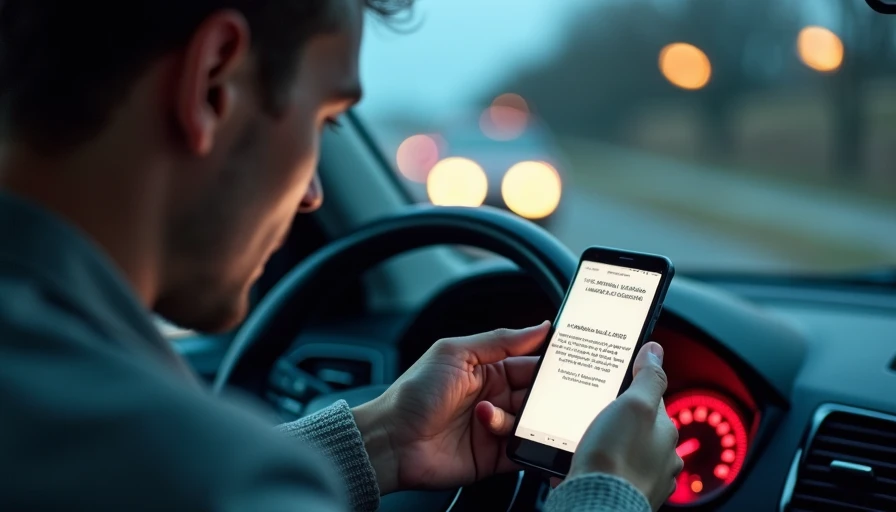
Here is what you smell first, what you notice second, and what you'll remember a year from now: the easiest safety habit is usually the one you can do from your phone while waiting for coffee. To run a **car vin recall check**, you need your 17-character VIN, or vehicle identification number. You can usually find it on the lower corner of the windshield on the driver's side, on the door jamb sticker, on your registration, or in your insurance documents.
Once you have it, enter the VIN into the National Highway Traffic Safety Administration recall lookup tool or the automaker's official recall page. Both are useful. NHTSA gives a broad federal database view, while the manufacturer site may show repair status, parts availability, or brand-specific instructions.
If the search says there are no unrepaired recalls, great. Save a screenshot for your records. If an open recall appears, read the description carefully. Look for the affected component, the safety risk, and the recommended next step. Then call a local franchised dealer for that brand and book the repair. The recall work itself is generally free, though transportation or scheduling convenience can vary by dealer.
What recall results actually mean
The detail that made the trip: a recall notice can sound dramatic, but the wording matters. Some recalls are labeled “interim,” meaning the problem is known but the final repair is not ready yet. In that case, the dealer may log your information and contact you when parts arrive. Others are active with a repair immediately available.
A **car vin recall check** may also return nothing even if you have heard about a major recall in the news. That can happen if your exact trim, build date, or production plant is not included. VIN-based checks are more accurate than guessing from headlines because they target the actual vehicle, not just the model name.
It is also worth knowing that recall tools usually focus on unrepaired safety recalls from a defined recent history, not every service bulletin or warranty extension. A technical service bulletin is not a recall. It gives dealers guidance for diagnosing common issues, but it does not mean free safety-related repair for all owners.
If you recently bought a used car from a private seller, run the VIN again even if the seller says everything is current. I have learned that paperwork folders can look reassuring while still missing one important update.
When to check: before buying, before traveling, before quoting insurance
If I were narrowing this down to one practical rule, it would be this: check the VIN at every ownership milestone. Before buying a used car, a **car vin recall check** should sit right next to the test drive and vehicle history report. It will not tell you everything about accident history or maintenance, but it can flag an unresolved safety issue that deserves immediate attention.
Before a road trip, especially one with mountain grades, desert heat, or long interstate stretches, a recall search is a smart pre-departure move. Cooling system faults, brake issues, electrical problems, and latch defects feel abstract until you are 200 miles from home with a trunk full of bags.
And yes, do it before shopping for insurance. If you are pricing full coverage on a financed car or trying to decide between higher and lower deductibles, it helps to know the vehicle is current on recall work. Insurance is there for sudden losses like crashes, theft, hail, or falling tree branches. It is not a substitute for getting a free manufacturer repair completed.
What to do after you find an open recall
Skip the obvious thing. Do this instead: do not just bookmark the recall result and promise yourself you will handle it later. Call the dealer. Ask whether parts are in stock, how long the repair takes, and whether they offer a loaner, shuttle, or pickup and delivery. Some dealers make the process painless; others require a bit more persistence.
If the recall involves a serious safety risk, such as airbags, brakes, steering, fire risk, or a stall hazard, limit driving until you understand the urgency. The manufacturer notice or dealer can help clarify whether the vehicle should be parked or whether normal driving is acceptable until the appointment.
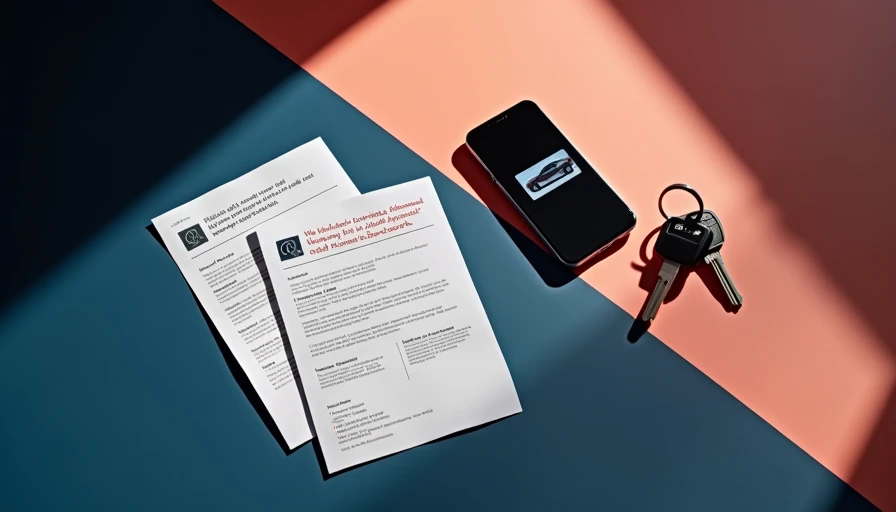
Keep records when the repair is completed. Save the repair order with your registration and insurance card. If you sell the car later, that paperwork helps reassure the next driver. A year later, what I still think about is how often the best ownership habits are the least glamorous ones. A **car vin recall check** will never feel as fun as choosing a new SUV, mapping a weekend escape, or planning lunch at the end of the drive. But for pure value, a free safety fix is hard to beat. Run the check today, then get back to the good part of driving with more confidence.