The moment you slide behind the wheel of a 70s auto, the world slows down. The smell of old leather and gasoline, the low hum of an engine that hasn't been silenced by modern sound deadening, the satisfying weight of a metal door closing. It's an experience that's almost impossible to replicate in a new car. For road trip lovers, a 1970s car isn't just transportation—it's an event. I learned this two summers ago, driving a 1973 Porsche 911 from San Francisco to Big Sur. And I've been chasing that feeling ever since.
There's a reason why a 70s auto has become a favorite among enthusiasts on long drives. These cars were built before computers took over, when every sensation—the steering feedback, the clutch engagement, the exhaust note—was unfiltered. You feel every mile, and that's exactly the point. If you're considering a vintage road trip vehicle, a 70s auto deserves a spot on your short list.

The Sensory Experience of Driving a 70s Auto
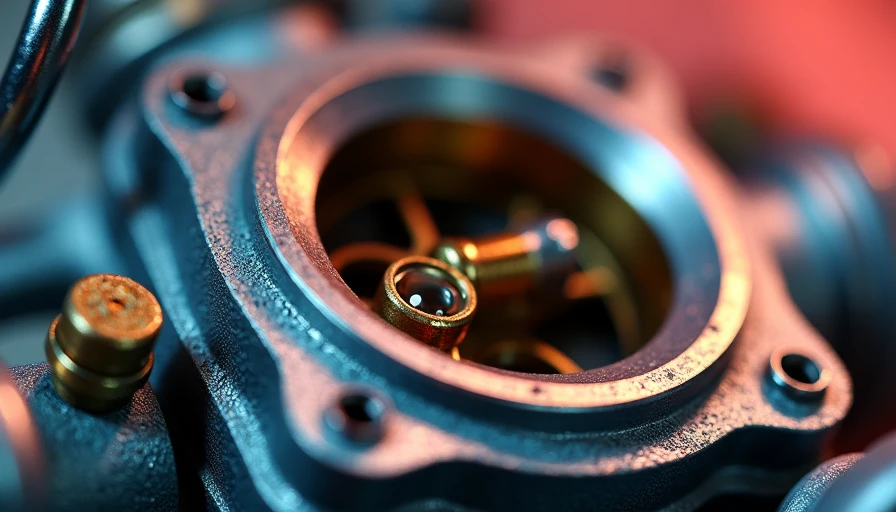
The first thing you notice is the noise. Not in a bad way—a 70s auto has a mechanical symphony that modern cars sanitize. The carburetor hiss, the gear whine, the way the engine breathes differently at 4,000 rpm. In a 1971 Datsun 240Z or a 1974 Alfa Romeo Spider, the sound is part of the journey. The second thing is the visibility: thin pillars, large windows, a greenhouse that lets you see the road unfold. Contrast that with today's bloated pillars and you'll understand why so many drivers are drawn back to this era.
Then there's the smell. I don't mean the musty seats (though that can be charming if it's genuine patina). I mean the scent of a warm engine after a long climb, the faint whiff of coolant, the dust kicked up from a gravel parking lot. A 70s auto engages senses you forgot you had. And on a road trip, when the goal is to feel the place you're passing through, that engagement matters. You're not insulated; you're present.
What to Look for in a 1970s Car
Not every 70s auto is road-trip worthy. Reliability is a real concern. The sweet spot is a model that was mass-produced, has good parts availability, and isn't too temperamental. Think 1970s Japanese cars like the Datsun 510, Toyota FJ40, or Mazda RX-7 (even with the rotary quirks). American cars from the same era—Chevy C10 pickups, Ford Broncos, AMC Javelins—also travel well. European choices like the Volvo 1800ES or Mercedes-Benz 230 are solid, though parts can be pricier.
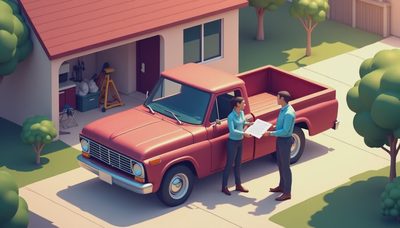
Before you buy, check rust (common around wheel wells, floor pans, and frame rails), verify the electrical system (vintage wiring can be a nightmare), and get a compression test. Budget at least $1,000 per year for maintenance and unexpected repairs. But here's the thing: even with the upkeep, the cost of a 70s auto is often lower than a new payment, and the experience is unmatched.

Maintenance Is Part of the Story
Owning a 70s auto means accepting that breakdowns can happen. I once watched a friend fix his 1972 Triumph TR6 on the side of Highway 1 with a hammer and a roll of duct tape—and he smiled the whole time. That's the attitude you need. But it's also the attitude that makes the trip memorable. The breakdowns become stories. The detours become discoveries. And because these cars are simpler, many repairs are DIY-friendly.
If you're planning a longer journey, carry a basic toolkit, spare hoses, a fan belt, and extra fuses. Join a marque-specific online forum before you go—those communities are gold for troubleshooting on the road. And give yourself extra time. A 70s auto doesn't want to be rushed. It wants you to slow down, take the back roads, and stop at that diner you'd normally pass.
Why a 70s Auto Adds Magic to Any Road Trip
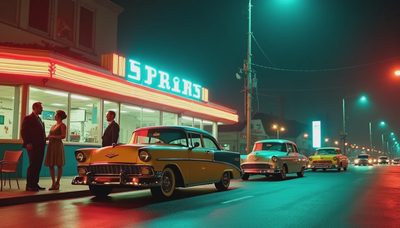
There's something about the design language of the 1970s that still turns heads. The long hoods, the chrome bumpers, the taillights that could be art. When you pull up to a motel in a 70s auto, people want to talk to you. Total strangers ask what it is, how old it is, where you found it. That connection—the human interaction that a modern car rarely invites—is part of the magic. You're not just driving a car; you're piloting a conversation piece.
And that's the heart of it. A 70s auto isn't the fastest, safest, or most efficient choice. But for a road trip, those aren't the only metrics. What matters is the way a car makes you feel. The 1970s gave us some of the most characterful vehicles ever built. If you have the chance to take one on a long drive, take it. You'll smell the hot pavement, see the world through big windows, and hear the engine sing. And a year later, when someone asks about your trip, I guarantee you'll still be talking about the car.
Practical Tips for Your First 70s Auto Road Trip
Ready to plan your own adventure in a 70s auto? Here's a checklist to get you started:
- **Get a pre-trip inspection**: Have a mechanic who knows vintage cars check the brakes, cooling system, and tires. A compression test and leak-down test can save you from a breakdown 200 miles from home.
- **Pack a roadside kit**: Include a fire extinguisher, jumper cables, basic hand tools, spare belts, hoses, and a quart of oil. For a 70s auto, a roll of electrical tape and a multimeter are essential.
- **Plan shorter driving days**: Expect to cover 250-300 miles per day max. A 70s auto is happier on two-lane highways than interstates, and so are you.
- **Bring cash**: Many small-town repair shops and motels prefer cash over cards. Plus, you'll want it for diner breakfasts and antique store finds.
- **Join a forum**: Before you leave, register on a model-specific forum (e.g., Datsun510.com, Volvo1800club.org). The instant advice from owners who know your 70s auto inside out can turn a crisis into a minor detour.
With preparation, a 70s auto can deliver a road trip you'll never forget—one that's about the journey, not just the destination.