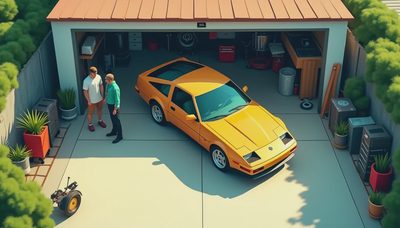
The first thing you notice is the smell — old leather, gasoline, and a faint hint of must that no amount of detailing can erase. I'm standing in a warehouse in Petaluma, surrounded by chrome bumpers and curved fenders, when the owner of a 1967 Mustang fastback tells me he's looking for classic car financing. He's found the car, negotiated the price, but the money part? That's the hurdle. If you're dreaming of a vintage car, you already know the feeling. classic car financing isn't the same as a regular auto loan. It's a niche, and the rules are different. But with the right approach, you can drive off without draining your savings.
Understanding Classic Car Financing
Unlike financing a new sedan or SUV, classic car financing treats your purchase as a collectible asset. Lenders see it as higher risk — older vehicles can be less reliable and harder to value. That's why interest rates are often higher and loan terms shorter. Most lenders require a minimum loan amount, typically $10,000 to $15,000, and they won't finance just any old car. The vehicle usually must be at least 10–20 years old, have a clean title, and qualify as a ".classic" by industry standards. Some lenders even require an appraisal from a certified specialist. If you're looking at a project car, financing gets trickier — lenders prefer turnkey classics that can hit the road immediately.
Types of Loans Available
You have three main avenues for classic car financing: specialized lenders, traditional banks, and home equity loans. Specialized lenders like Hagerty, J.J. Best, and Woodside Credit understand the market. They offer terms from 5 to 15 years, often with fixed rates. For example, Hagerty's classic car loan rates start around 6–7% APR for well-qualified buyers (as of early 2025), with loan amounts up to $250,000. Traditional banks or credit unions may offer lower rates, but they're picky — they might not know how to value a 1970 Datsun 240Z. A home equity line of credit (HELOC) can give you a competitive rate, but you're putting your house on the line. I don't recommend that unless you're absolutely certain.
Tips for Getting Approved
A few years ago, a friend of mine tried to finance a 1974 Porsche 911. He had good credit, a stable income, and a down payment. Yet the first two lenders turned him down. Why? They didn't like the car's mileage (high) or its age (too old). He finally went with a specialty lender, put 25% down, and got approved at 8.5% APR. The lesson: prep before you apply. Check your credit score — aim for 700 or above. Gather documentation: the car's appraisal, photos, and a statement of purpose (yes, some lenders ask why you want it). Be ready to put down at least 20–30%. And if you're self-employed, have two years of tax returns handy. Specialty lenders are more flexible, but they still need to trust you.
Comparing Lenders and Rates
Not all classic car financing is created equal. Here's a quick look at what's out there (rates are approximate and can change):
- **Hagerty**: Loans from $10,000 to $250,000, terms 5–15 years, rates from 6.49% APR (as of mid-2025). They also insure classics, so bundling saves.
- **J.J. Best**: Specializes in classic cars only. Rates start around 5.99% APR for top-tier credit, but loan minimums are higher ($15,000).
- **LightStream**: An online lender that offers auto loans for classic cars. Rates as low as 5.34% APR (with autopay), but they require excellent credit and no missed payments.
- **Credit Unions**: Often overlooked. Navy Federal Credit Union, for example, offers classic car loans at 6–8% APR. You'll need to join first.
I'd suggest getting quotes from at least two specialty lenders and one local credit union. Compare the APR, loan term, and any prepayment penalties. The lowest APR isn't always the best if the terms are restrictive.
The Bottom Line on Classic Car Financing
Classic car financing is a tool, not a trap. A well-structured loan lets you enjoy your vintage ride while keeping cash in your pocket for restoration, insurance, and that cross-country road trip you've been planning. I've seen too many people buy a classic with cash, then have nothing left for maintenance — or miss out on a trip to Pebble Beach because the budget was blown. A loan spreads the cost over time, and with rates still reasonable, it's a smart move. Remember: the car you've been eyeing isn't just an investment; it's a ticket to stories you'll tell for years. If your dream comes with monthly payments, so be it. Just make sure you choose the right lender.
A year later, I still think about that Mustang fastback. The owner ended up financing through Woodside Credit, took it to the California Mille, and called me from the road — the engine roaring, his voice barely audible. He said it was worth every payment. That's the feeling classic car financing can give you. Go find your car.