Chasing the American Asphalt: Route 66 and Three Scenic Drives Worth the Mileage
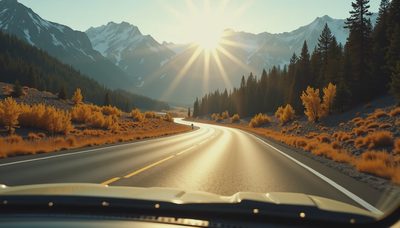
The low thrum of tires on weathered pavement, the sharp scent of pine and diesel, and a dashboard glowing against the Olympic Peninsula’s coastal fog. You’re not just covering miles; you’re tracing a century of American restlessness, where every exit ramp promises a story waiting to be pulled over for. As a journalist who has spent years testing everything from vintage convertibles to modern overlanders, I’ve learned that the best road trips aren’t about the destination—they’re about the rhythm of the drive. For exactly one hundred years, Route 66 has stretched from Chicago, Illinois, to Santa Monica, California, essentially launching the modern American road trip. Now, marking the nation’s 250th birthday, the official tourism board has mapped out 250 curated stops along the historic corridor and beyond. Whether you’re chasing the ghost of vintage motels or hunting for the perfect bourbon pour, these routes offer a masterclass in slow travel. The draw isn’t just the mileage; it’s the chance to watch landscapes shift from urban skylines to rain-drenched forests, from Southern river towns to high-desert casinos, all from the comfort of your driver’s seat.
The Draw
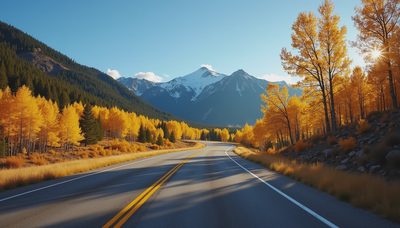
The beauty of these American corridors lies in their contrast. Route 66 remains the undisputed anchor, a two-thousand-mile ribbon that turned automotive freedom into a cultural institution. But the newly highlighted regional loops prove that the best driving experiences often happen just off the main artery. In the South, the Lake Shores to Gulf Shores route trades interstate monotony for riverfront sunsets and historic downtowns. Out West, the Coastlines & Craters loop pairs temperate rain forests with high-desert energy, while the New England route proves that coastal history and vibrant urban neighborhoods can share the same itinerary. Each corridor was designed to be driven, not rushed, rewarding travelers who treat the car as a mobile base camp rather than a transit tube.
What to Expect
Hitting the road means trading curated itineraries for the rhythm of the open highway. On the classic Route 66 stretch, you’ll find stunning art and architecture at the Chicago starting point, followed by the towering presence of the Gateway Arch in St. Louis, Missouri, where Midwestern hospitality and Americana collide. Push further to Oklahoma City, Oklahoma, and you’ll stumble into a capital city surprisingly rich with quirky attractions that celebrate the Mother Road’s legacy. If you prefer a southern loop, the Lake Shores to Gulf Shores route delivers exactly what the name promises. Louisville, Kentucky, offers sweeping sunset views over the riverfront, immersive cultural landmarks, and a serious pour of the state’s signature bourbon. From there, Huntsville, Alabama, blends deep Southern heritage with space history and a quietly thriving art scene before you roll down to Gulf Shores, Alabama. There, the pace slows to scenic nature walks, Civil War history markers, and waterfront dining where the salt air mixes with the sound of gulls.
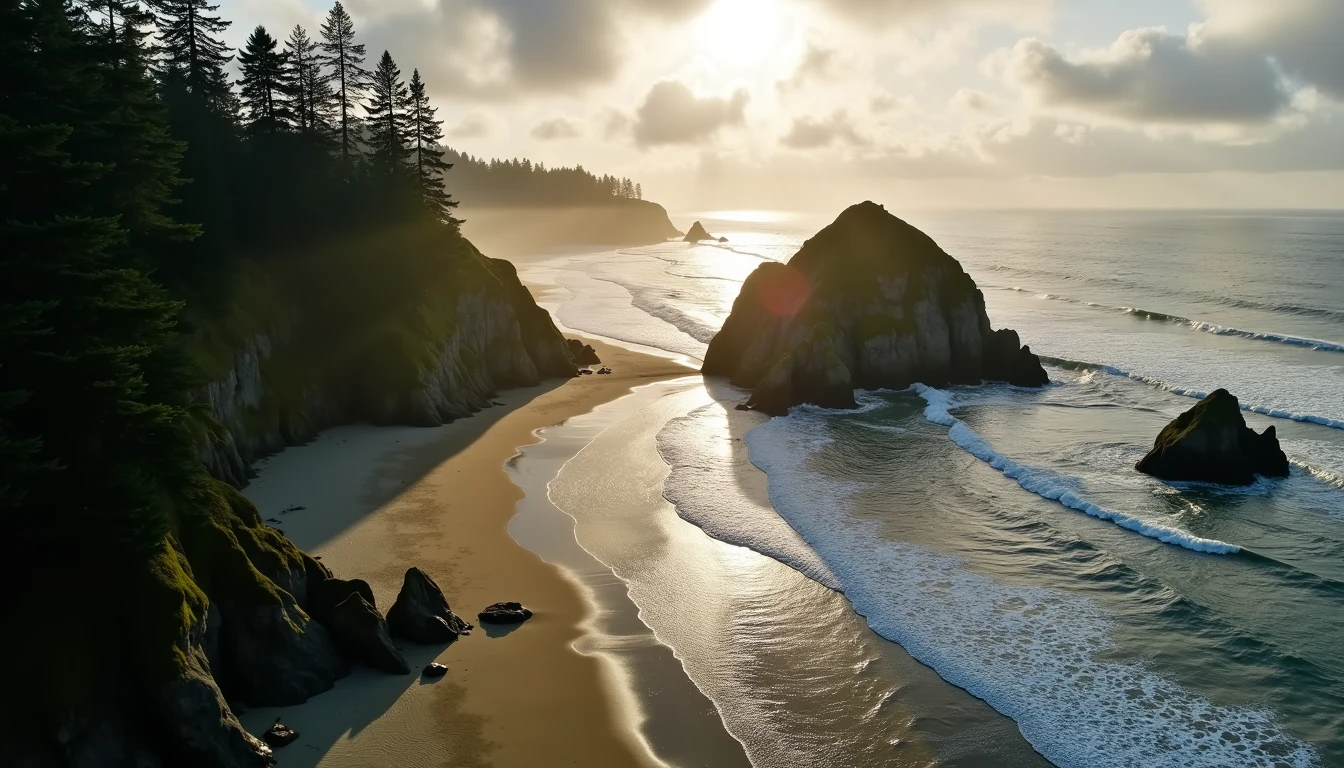
Head west for the Coastlines & Craters loop, and the terrain turns dramatic. Olympic National Park in Washington State demands your attention with Mount Olympus, the rugged sweep of Rialto Beach, and the moss-draped silence of the Hoh Rain Forest. From there, Klamath Falls, Oregon, serves as a sunlit gateway to the Cascade Mountain’s natural wonders, leading you into the high-desert energy of Reno, Nevada. Known as the Biggest Little City in the World, Reno packs hip neighborhoods and exciting casinos into a compact footprint. Finally, the New England route brings you to Boston, Massachusetts, a city loaded with rich history, vibrant neighborhoods, and beautiful parks that hug the waterfront. Expect a mix of urban energy and coastal calm, with plenty of opportunities to stretch your legs and refuel.
Insider Tips
The biggest mistake travelers make is treating these routes as checklists. Slow down. In Louisville, skip the crowded tourist bars and ask a local for the neighborhood spot where they actually pour their evening bourbon. On Route 66, the 250 stops are a fantastic framework, but the real magic happens on the backroads between official markers. In the Pacific Northwest, weather shifts fast; pack layers and check trail conditions before heading into the Hoh Rain Forest, where mud and drizzle are part of the charm. For Reno, the insider move is to explore the hip neighborhoods during daylight hours to appreciate the architecture and local coffee scene before the neon truly wakes up. And in Boston, follow the locals to the waterfront parks early in the morning when the city is still quiet and the harbor light hits the brick facades just right. Off-peak travel in late spring or early fall keeps crowds manageable and parking easier, especially in historic downtowns.
Before You Go
- When to go: Aim for late spring through early fall to avoid winter weather closures, especially when navigating the Cascade Mountain gateway and national park roads.
- Getting there: Fly into major international airports serving Chicago, Boston, Seattle, and Reno, then rent a vehicle comfortable for long highway stretches.
- How long to spend: Dedicate at least a week per route to properly experience the stops without rushing through the architecture, historic markers, and natural trails.
- What to pack: Layers for shifting Pacific Northwest conditions, comfortable walking shoes for waterfront parks and rain forest trails, and a reliable offline navigation app for areas where cellular service fades.
- Honest downsides: Iconic landmarks like the Gateway Arch and Olympic National Park draw steady crowds, summer lodging fills quickly, and desert stretches between stops require careful fuel planning.