Everything to know before going to Thessaloniki.
With its lengthy seafront promenade, cool nightlife scene, stunning archaeological sites and sumptuous food treats, Greece’s chaotic second city, which sprawls along the northern tip of the Thermaic Gulf, is like a mega dose of everything that the country does best. More compact than Athens, it’s easy to switch between the city’s different village-like suburbs, especially since November 2024 when Thessaloniki’s metro was finally(!) inaugurated. This is also Greece’s first city of gastronomy, so whether you’re crammed into a bouzoukia in the backstreets of upper town Ano Poli, chilling in a boho chic taverna near the waterfront, or hanging out in one of the Ladadika district’s hip restaurants, there’s plenty to thrill tastebuds, too.
My cousin lives in central Thessaloniki, so I visit often: I call it “the city where the weekend never comes,” because whenever I visit this town, which is home to the Balkans’ largest university campus, it’s always, always buzzing with life.
Here’s the ultimate Thessaloniki travel guide, featuring the city’s best things to do, must-try restaurants, top hotels for any budget, and a few tips on things to avoid.
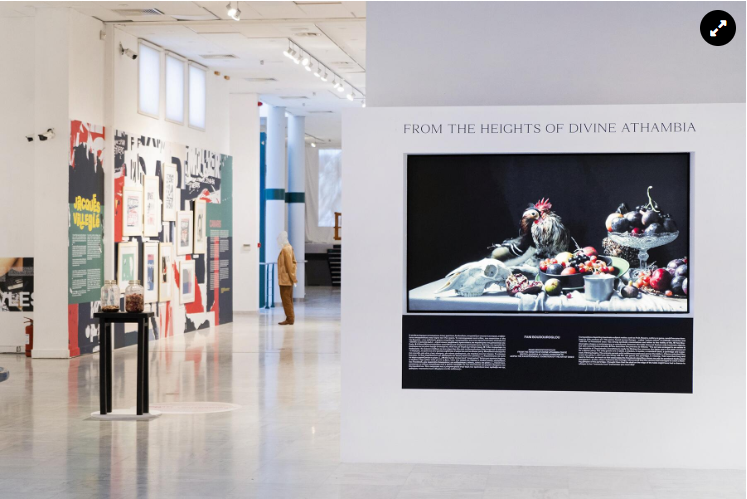
The Macedonian Museum of Modern Art, also known as MOMus, sits in a cluster of squat buildings overlooking the harbor at one end of the city’s seafront promenade–and it doesn’t look like much from the outside. Enter the complex’s cobbled esplanade, however, and you’ll discover a raft of museums housing everything from modern and contemporary art, to photography and sculpture–it’s one of my favorite spots when I want to escape the summer heat. You can also catch a movie at the Cinema Museum, where artifacts dating from the early 20th century onwards showcase the history of Greek films, or just sit back and watch the world go by from MOMus’ light-filled café bang on the waterfront.
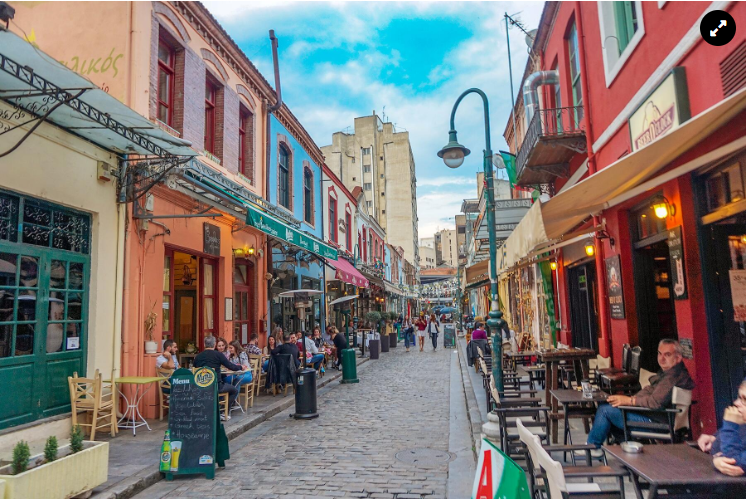
Although a tad touristy these days, it’s still worth visiting Thessaloniki’s Ladadika district (named for the ladadika shops selling oil and oil products that used to flourish here). With its narrow alleys framed by neoclassical buildings, this is one of the few areas of Thessaloniki that was spared from the fire that ravaged most of the city in 1917. A red-light district during the 19th century, this historic haunt is now a beacon for foodies who come here to enjoy olive oil-based ladera cuisine and listen to rembetika folk music in a slew of tavernas along cobbled streets radiating out from central Morichovou Square.
Known as “the city above the city,” Ano Poli (upper town) is another one of the areas that survived Thessaloniki’s massive conflagration in 1917. Sprawled on a hillside high above the city, it’s a stiff climb to reach this picturesque quarter surrounded by massive Byzantine walls (I usually catch bus 22 or 23 from the city center), but well worth it for the panoramic views over the Thermaic Gulf to the myth-wreathed peaks of Mt. Olympus beyond. Behind the high walls, secret winding alleys lined with elegant Byzantine buildings and Ottoman-era houses surround Yedi Kule, the forbidding fortress which has towered over the city for more than a thousand years. You can visit the fortress and its spine-chilling prison, which is said to be haunted by the ghost of Sufi mystic Musa Baba, but most people (including me) come to this high-flung spot to hang out in one of a dozen koutoukia tavernas where they dish up soutsoukakia meatballs, spicy grilled feta bougiourdi, and other budget-friendly meze snacks.
For a mega dose of local life, follow ramblers, cyclists, and joggers along the 5-kilometer (3.1-mile) seafront promenade which links Thessaloniki’s harbor to the city’s iconic 16th-century White Tower and its opera house beyond. Stop off to snack on mastixa ice cream or bite-sized, honey-oozing loukamades doughnuts sold by street vendors, or browse shops selling everything from fresh spices to tacky souvenirs; look out for a pop-up yoga class or a free concert on main Aristotelous Square or take a selfie beneath the statue of city hero Alexander the Great, or beside famed Greek artist George Zongolopoulos’ colorful Umbrellas installation. During the summer months, you can even hop on one of the karavakia waterbuses that travel to Peraia, Neoi Epivates, and other sun-dazzled beach suburbs.
Not many people know that just a 20-minute drive from Thessaloniki’s bustling streets, there’s a wild and wonderful natural reserve, complete with feral horses, pretty pink flamingos, salt flats and rice fields, which is like a bite-sized version of France’s Camargue. Bordering the west coast of the Thermaic Gulf, the Axios Delta nature reserve is one of Greece’s most important wetlands, and it’s also one of my favorite places to cool off on hot days. After swimming from the dune-spiked beaches near Alyki lagoon or hiking near the salt flats to spot pretty pink flamingos, I love to spend lazy evenings eating locally farmed mussels and other brine-fresh seafood at family-run Taverna Nikos, which sits right on the waterfront in the under-the-radar seaside resort of Methoni.
Greece’s first UNESCO City of Gastronomy, Thessaloniki, has plenty of gourmet restaurants, but you don’t need to pay a fortune to eat well in this conurbation, which is also renowned for its street food. Sold by street vendors, salepi, the milky drink made from orchid bulbs, which has been popular here since Roman times, is a great pick-me-up after a night on the town. Custard-crammed pastry treat bougatsa, which was invented here in Thessaloniki, makes a perfect midday snack–you’ll find some of the best at Bougatsa Bantis, where they make everything, including the filo pastry, by hand. Kapani market, where they sell everything from sponges to fresh seafood, is another great place to find street treats: be sure to try a sesame-dotted koulouri bread ring–you can eat it sketo (on its own) or filled with jam, olive paste, or salty feta cheese–or a bowl of the city’s iconic creamy milk pudding dessert, kazan dipi.
From hip rooftop bars housed in near-abandoned neoclassical buildings in the Valaoritou district, to bouzouki bars in Ladadika or Ano Poli’s rebetadika restaurants where live rebetiko music is played, Thessaloniki is a city that just never seems to sleep. I usually start my evening with a sunset cocktail with Thermaic Gulf views in one of the bars along waterfront Nikis Avenue, and then meet up with friends at Ouzeri To Yenti, up in Ano Poli, for a tumbler of punch-packing aniseed white spirit tsipouro served up with meze snacks, before spending the evening in one of the lively bars around Syngrou or Valaoritou, or ending the night in one of the clubs in the hip Palia Sfageia suburb just outside of town.
For me, the most magical aspect of Thessaloniki’s archaeological sites, which are scattered all over the city, is the way that they are seamlessly sewn into the fabric of modern life. Hemmed in by shaded cafés, the imposing Roman Forum is a popular lunchtime spot, the Roman Rotunda, which was built as a mausoleum for Emperor Galerius, is surrounded by cheap-as-chips tavernas that are a big lure for local students; the emperor’s colossal 4th century C.E. kamara triumphal gate–built to celebrate his victory over the Persians–is the place where everyone meets up with their friends. Even the city’s Archaeological Museum, packed with fascinating artifacts dating back to early antiquity, has its own lovely, light-filled garden café.
After a long day’s sightseeing, I love to slough off dust and fatigue (along with a lot of dead skin cells) at the Makedonia Palace Hotel’s Hammam, which is one of the largest steam rooms in Greece. It’s built to resemble a traditional Ottoman hammam, with domed ceilings, and a central marble slab where you can enjoy a soothing steam bath before indulging in authentic experiences ranging from vigorous exfoliating body scrubs to stress-busting massages. They also have different facials and treatments using mineral-rich black mud from the Dead Sea, along with a blissful designated area where you can relax as you sip on a cup of richly perfumed hibiscus tea.
Within strolling distance of the town centre and brand-name shopping along Tsimiski Street, the Panepistimio district, where many of the city’s university buildings are situated, is more gritty and authentic than other areas of town. With Byzantine churches squeezed between shops selling everything from vintage clothing and vinyl records, and elegant neoclassical buildings rubbing shoulders with modern apartment blocks, it’s an area of striking contrasts. This is also the best place in town to find small cafes selling budget-friendly snacks, including a bewildering range of traditional pies stuffed with everything from horta wild greens to spinach or pumpkin puree.
Although I’ve never had problems walking around central Thessaloniki, whether during the day or late at night, there are some areas where crime can be a problem. As in most cities, the train station–where pickpockets tend to hang out–is best avoided at night, unless you have a train to catch (you should also keep an eye on your belongings here during the daytime). Don’t be scared to ask for advice from a local if you think an area is unsafe–friendly Thessalonians are generally eager to help. As a general rule, areas like Agios Nikolaos and Kato Touba, further out in the suburbs, are less secure, whereas Ano Poli, the center around Ladadika, and the waterfront, where people walk, jog, or cycle at all hours of the day and night, are usually very safe.
Since the city’s new metro was inaugurated in November 2024, there’s noticeably less traffic in Thessaloniki’s narrow streets. However, there’s still plenty of congestion during rush hours, between 7 a.m. and 10:30 a.m. and 6 p.m. to 8 p.m. If you’re driving, it’s best to avoid the city center where narrow streets, one-way signs, and pedestrian crowds are rife, and parking is hard to find. Use the metro, buses, or the city’s bike-sharing scheme to get around in the center. If you need a car to explore further afield, the best solution is to hire it from one of the rental companies situated near a metro station on the outskirts of town, where it’s less congested and parking is a lot cheaper.
Deka Trapezia is named for the ten tables (deka trapezia) inside. Chef Manolis Papoutsakis, who was previously at award-winning Cretan restaurant Charoupi in Ladadika, has created a convivial taverna in one of the city centre’s narrow back streets, which is a big hit with locals because of its innovative menu which combines creatively reinvented local dishes with traditional meze sharing plates: fluffy potatoes topped with the cream from the top of sheep’s milk called staka; sumptuous grilled mackerel served with a velvety sweet potato tarama, and plump locally-sourced smoked mussels served with bottarga-topped French fries are some of the highlights here.
Kafeneio Stou Mitsou, in the city center’s Kapani, has a colorful, lively food market as its backdrop. With its metal-topped tables, wobbly caned chairs, bars lined with bottles of aniseed-scented tsipouro and tiny bar/kitchen area where meze are freshly prepared, this is one of the city’s few truly traditional kafeneio, a traditional Greek coffee house. Here you can sit at one of the sidewalk tables sipping your tumbler of tsipouro while eating a bewildering range of meze: sousoutzakia meatballs in a spicy tomato sauce; lightly grilled shrimp served on a bed of sun-dried tomatoes; plump mussels tucked into unctuous folds of handmade pasta, and more.
Vintage décor and plenty of modern extras are on the menu at The Caravan, a funky B&B housed in a stylishly renovated 1920s building within easy walking distance of the main square, Aristotelous, and the city’s seafront promenade. A circular staircase climbs to a dozen good-sized double rooms with comfy beds and coffee machines. Larger suites also have small balconies where you can sit out and admire views over the city’s cobbled streets to the Hamzar Bei mosque. They also have a co-working space and coffee shop on the ground floor, where they serve a delicious breakfast of local breads and pastries, as well as fresh fruit and yogurt, all accompanied by lashings of hot, strong coffee.
If you’re keen to visit the city sights, you won’t find a better base than On Residence, a chic boutique hotel housed in a 1920s edifice right on the seafront promenade near MOMus, and the city’s harbor where ferries leave for the islands. The cheerful staff are always happy to offer advice on good restaurants, as well as the best things to do and see. Rooms and suites–some with sea-view balconies–decked out in cool gray and pale cream color schemes provide the perfect haven after a day of sightseeing. The icing on the cake: the hotel is also home to the award-winning Olympos Naoussa gourmet restaurant, along with a rooftop cocktail bar where you can sit out and sip handcrafted cocktails as you watch the sun sink in a scarlet flame over the Thermaic gulf.
A magnet for celebrities and A-listers, the recently refurbished Electra Palace, housed in one of the city’s most beautiful neoclassical buildings, gazing out over bustling Aristotelous Square, is Thessaloniki’s most storied grand dame hotel. Stepping inside is like walking onto the set of a period movie, with marble floors and antique wooden furnishings softly glowing in the light of gleaming chandeliers. Hyper-comfortable rooms and suites, some with balconies overlooking the buzzing square, are standard, whilst top-notch facilities include a sleek, well-equipped spa with a sparkling indoor pool. If your budget allows it, bag a table at the hotel’s roof-garden Orizontes restaurant, where views are as spectacular as the slow-cooked dishes.
Unlike Athens, Thessaloniki is quite a compact city, and apart from Ano Poli, which is a stiff hike from the city center, the more popular areas are easily reached on foot. When you need to get out into the suburbs, the metro, with its 13 stops, stretching from the city’s railway station to Nea Elvetia, is perfect for getting across town, while buses trundle up and down the roads leading to Ano Poli. Car hire is generally fairly cheap–there are dozens of companies near the airport where you can rent a vehicle once you arrive. Thessaloniki is an all-year-round city, but it’s especially busy during the Thessaloniki Film Festival in October and November.