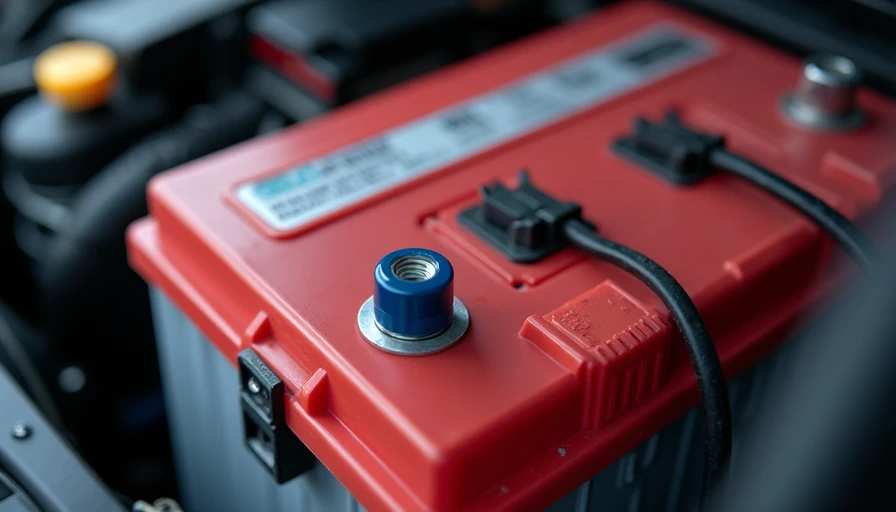
There is a particular silence to a dead battery. You turn the key, hear one tired click, and watch the dashboard lights fade before the car settles into stillness. Learning the proper way to change a car battery can turn that frustrating morning into a manageable driveway job, usually with basic tools and 30 to 60 minutes. The work is straightforward, but the order of operations matters because a battery can deliver enough current to cause sparks, burns, or damage to sensitive electronics.
Before You Buy a Replacement Battery
Start by confirming that the battery is actually the problem. A slow crank, dim interior lights, or repeated clicking can point to a weak battery, but a failed alternator, loose cable, or starter can create similar symptoms. If the car starts with a jump and then stalls soon afterward, have the charging system tested rather than immediately buying a replacement. Many auto parts stores will test a battery and alternator at no charge.
Read the label on the old battery or check the owner’s manual for the correct group size, terminal layout, minimum cold-cranking amps, and reserve capacity. A 2019 Subaru Outback, for example, does not necessarily use the same battery as a similarly sized crossover. Brands such as Interstate, DieHard, Duralast, and Optima offer several sizes, so matching the specification is more important than choosing the most recognizable name. Expect to spend roughly $120 to $280 for a conventional replacement, with premium AGM batteries often costing more.
Park on a level surface, switch off the ignition, remove the key, and open the hood. Let the engine cool if you have been driving. Gather safety glasses, work gloves, a 10-millimeter wrench or socket, a ratchet, a battery terminal brush, and a replacement battery. Keep metal jewelry and loose tools away from the terminals. If your vehicle has a hybrid or high-voltage electric system, stop here and use the manufacturer’s service procedure; the 12-volt battery is not the same as the high-voltage battery.
The Proper Way to Change a Car Battery, Step by Step
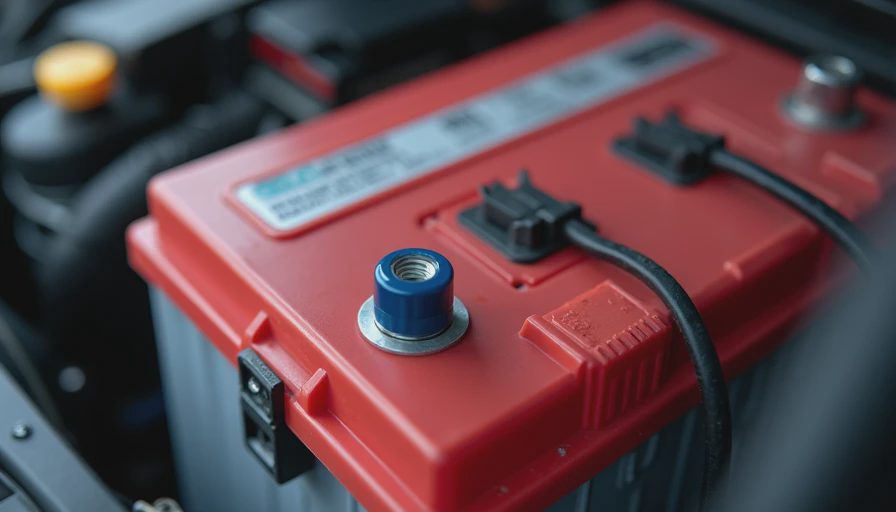
The proper way to change a car battery begins with identifying the negative terminal. It is usually marked with a minus sign and connected to a black cable, while the positive terminal carries a plus sign and commonly has a red cover. Do not rely on cable color alone if the markings are visible.
First, loosen the negative terminal clamp and lift it off the battery post. Tuck the cable away so it cannot spring back into contact. Next, remove the positive clamp and move it aside. Never allow a wrench to touch the positive post and a metal body panel at the same time; that can create a short circuit and a sharp burst of heat.
Remove the hold-down bracket or bar. Some vehicles use a top bracket, while others secure the battery at its base. Keep track of bolts and spacers because dropping a fastener into the engine bay can add an unnecessary repair to a simple job. Batteries are heavy, often weighing 35 to 50 pounds, so lift with both hands and keep the unit level. Place it upright on a stable surface, away from children and ignition sources.
Inspect the tray and cable ends before installing the new unit. White or blue-green crust around a terminal indicates corrosion. A terminal brush can remove light buildup, but wear eye protection and avoid breathing the dust. If the cable is swollen, badly frayed, or loose at its crimp, replacing the cable may be necessary. Do not paint grease over a dirty connection; clean metal contact comes first.
Set the replacement battery into the tray with the positive and negative posts in the same orientation as the old one. Reinstall the hold-down firmly enough that the battery cannot move, but do not crush the case. A loose battery can vibrate, damage its terminals, and shorten its life. The proper way to change a car battery includes securing the battery before reconnecting either cable.
Reconnect the Cables Without Creating a Spark
Reconnect the positive cable first, then the negative cable. This sequence reduces the chance of accidentally shorting the positive terminal against the vehicle body. Tighten each clamp until it cannot rotate by hand, but avoid overtightening, which can damage the post or clamp. Replace any terminal covers and make sure no tool remains in the engine compartment.
Turn the ignition on without starting the engine and look for normal warning lights. Then start the car. It may crank more slowly than expected if the vehicle has been sitting, but it should settle into a normal idle. Check the headlights, climate controls, radio, power windows, and dashboard clock. Some vehicles lose radio presets, one-touch window settings, or other memory functions when power is disconnected; the owner’s manual usually explains how to reset them.
If the car will not start after installation, do not keep cranking blindly. Recheck that the terminals are on the correct posts, the clamps are fully seated, and the hold-down is not pressing on a cable. A professional can test the battery, starter, and alternator to separate a bad connection from a larger electrical fault.
Battery Care After the Installation
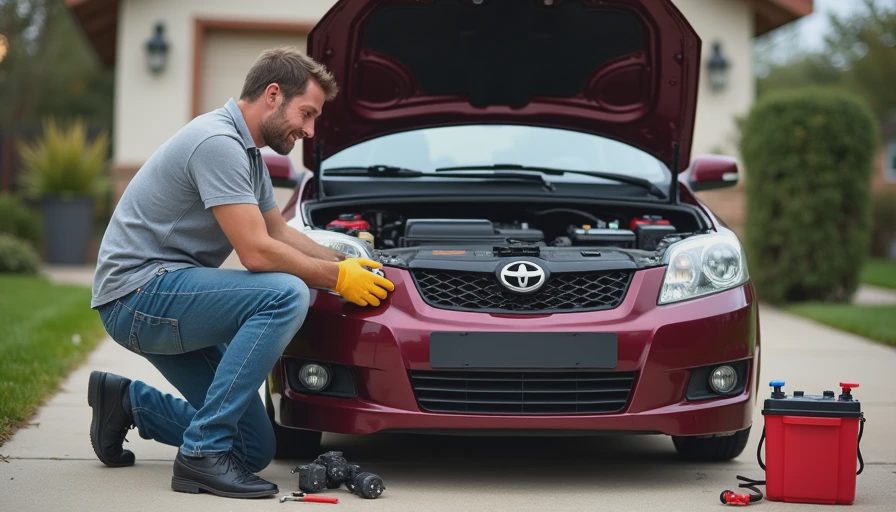
The proper way to change a car battery does not end when the engine starts. Clean the old battery’s exterior if it is dirty, and take it to an auto parts retailer or recycling center that accepts automotive batteries. Lead-acid batteries should not go into household trash. Many retailers apply a refundable core charge, commonly around $10 to $25, when you buy the replacement.
Short trips, long periods parked, extreme heat, and cold weather all place stress on a battery. If a vehicle sits for weeks, a quality battery maintainer can help preserve its charge. Keep the terminals clean and inspect them during routine oil changes. A battery that is three to five years old deserves closer attention, although service life depends on climate, driving habits, and the vehicle’s charging system.
When DIY Work Is Not the Best Choice
The proper way to change a car battery is different for vehicles with battery-management sensors, start-stop systems, unusual battery locations, or complicated electronics. Some late-model cars require the new battery to be registered with the vehicle computer so the charging system knows its age and capacity. A shop may charge about $30 to $150 for installation and registration, depending on the model.
If the battery is located in the trunk, under a seat, or beside fuel-system components, use extra caution and follow the manual precisely. Roadside assistance through an insurer, motor club, or vehicle manufacturer can be a sensible option when you are stuck at night, in bad weather, or far from home. The safest repair is the one that gets you moving without turning a dead battery into a damaged vehicle.
A little preparation makes this job feel less like an emergency and more like ordinary ownership. Confirm the diagnosis, buy the exact replacement, disconnect negative first, reconnect positive first, and test the result. That is the proper way to change a car battery—and a useful bit of confidence to carry before the next long drive toward the coast, the mountains, or dinner somewhere worth the miles.