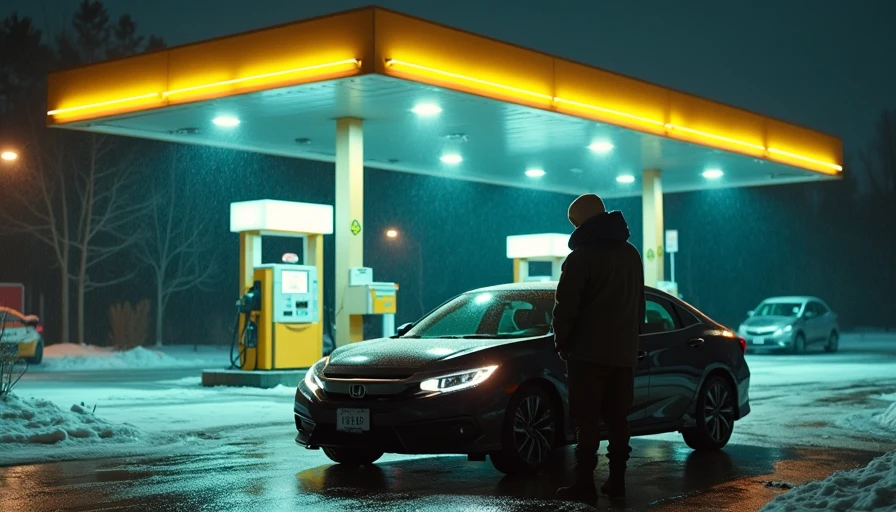
The first thing I notice on a freezing morning is the sound: a starter turning a little longer, followed by the rough, impatient idle of an engine that would rather stay under the covers. Then comes the dashboard calculation, quietly confirming what many drivers already suspect. MPG cold weather performance is usually worse than the number you see on a window sticker. Your commute has not changed, but the air, tires, fluids, road surface, and warm-up time have.
That does not mean every winter fuel-economy drop signals a mechanical problem. Cold conditions naturally make gasoline vehicles less efficient, and short trips exaggerate the effect. A vehicle that normally returns 30 mpg on a mild spring commute might show something closer to the mid-20s during a week of freezing starts. The exact result depends on the model, temperature, traffic, and driving habits, but the reasons are consistent.
Why cold weather reduces fuel economy
Gasoline becomes harder to vaporize in cold air, so the engine management system often adds fuel during startup and warm-up. Modern engines reach operating temperature faster than older designs, but they still need extra time before they can run at their most efficient. If your drive to the train station, coffee shop, or school takes eight minutes, much of the trip may happen before the engine is fully warm.
Cold air is denser, which increases aerodynamic drag. That effect is modest at neighborhood speeds but becomes more noticeable on a freeway road trip. Engine oil and transmission fluid also thicken in low temperatures, creating additional resistance. The car has to work harder to turn internal components until those fluids warm up.
Tires are another major piece of the puzzle. Air pressure falls as temperatures drop, often by roughly one psi for every 10-degree Fahrenheit decrease, though the exact change depends on the tire and conditions. Underinflated tires flex more and create greater rolling resistance. Snow, slush, and wet pavement add still more resistance, while four-wheel drive or all-wheel drive systems can consume additional fuel when engaged.
What MPG cold weather looks like in daily driving
The most dramatic losses usually happen when several small penalties arrive together. Consider a 2019 Subaru Outback traveling through a cold suburban week. The driver starts the car, lets it idle for five minutes, carries two adults and ski equipment, runs the heated seats, and drives through stop-and-go traffic on winter tires. None of those choices is outrageous, but together they can pull mileage well below the vehicle’s combined rating.
Remote starting deserves special attention. It is comfortable to enter a warm cabin, especially when the windshield is iced over, but idling burns fuel while the vehicle travels zero miles. A few minutes before every commute can add up over a month. Starting the car, clearing only the necessary glass, and driving gently usually warms the engine and cabin more efficiently than a long stationary warm-up. Never drive until windows are clear, however; visibility and safety come first.
Hybrid vehicles handle some parts of winter differently. Their gasoline engines may shut off less often when the cabin heater is running, because heat comes from engine coolant. Battery performance can also decline in low temperatures, and cabin heating requires energy. Plug-in hybrids may use more gasoline when their electric range is reduced. Electric vehicles avoid gasoline warm-up losses but can use more electricity for battery conditioning and cabin heat, especially on short trips.
Practical ways to protect winter fuel economy
Start with tire pressure. Check all four tires, plus the spare if your vehicle has one, after the car has been parked for several hours. Use the pressure listed on the driver’s doorjamb, not the maximum pressure molded into the tire sidewall. Winter is also a good time to inspect tread depth and replace tires that are badly worn; saving a little fuel is never worth compromising traction.
Combine short errands whenever possible. A single 25-minute loop is generally easier on fuel than four separate cold starts. When planning a winter weekend drive, put groceries, charging, and coffee stops along the same route rather than making repeated out-and-back trips. Removing heavy cargo from the trunk can help as well. A set of old tools, sports gear, or unused roof accessories adds weight or drag long after its useful purpose has ended.
Use climate controls thoughtfully. Heated seats often require less energy than blasting the cabin heater at its highest setting, although comfort and safe windshield visibility remain priorities. Clear snow from the roof, hood, and trunk before leaving. Snow creates drag and can slide onto the windshield during braking. Remove a roof box or bike rack when you are not using it; at highway speeds, aerodynamic accessories can have a larger effect than their weight suggests.

How to measure MPG cold weather accurately
Do not rely on one unusually cold tank. Fill the tank consistently, record the odometer, and calculate miles driven divided by gallons added. If your vehicle has a trip-computer estimate, compare it with several manual calculations rather than treating the display as exact. Keep notes about temperature, tire pressure, cargo, driving mix, and fuel brand if you want a useful personal baseline.
Compare similar routes and seasons. A freeway-heavy summer tank is not a fair match for a winter tank filled with short errands. Look for a pattern across three or four fill-ups. If mileage drops only during freezing weather and rebounds in spring, the change is probably seasonal. If fuel economy remains poor in mild conditions, investigate other causes such as a dragging brake, overdue maintenance, a faulty oxygen sensor, or a check-engine light.
For MPG cold weather tracking, the most useful comparison is often your own car against itself. EPA estimates provide a helpful reference, but they are not a promise for every commute. A compact sedan, crossover, pickup, and hybrid will each respond differently to temperature and terrain.
When a fuel-economy drop needs attention
A modest winter decline is normal. A sudden, persistent decrease deserves a closer look, especially if it appears with rough idling, sluggish acceleration, unusual exhaust, a fuel smell, or a warning light. Low tire pressure is the easiest issue to correct, but an engine that never reaches normal temperature can also waste fuel. A stuck-open thermostat, for example, can keep the engine running too cool and may trigger a diagnostic code.
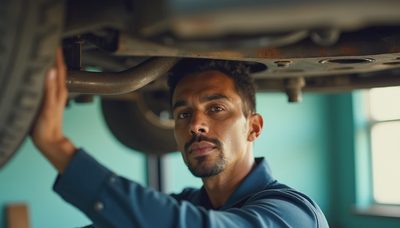
Watch for changes after installing winter tires or carrying a rooftop cargo box. These upgrades can be sensible and safe, but they alter rolling resistance and aerodynamics. Keep maintenance current with the owner’s schedule: clean filters, correct oil viscosity, working spark plugs, and properly aligned wheels all support efficient operation. A mechanic can distinguish normal MPG cold weather behavior from a problem that will become more expensive.
Planning a winter road trip around fuel stops
For a mountain drive or long holiday visit, build a realistic fuel buffer instead of calculating the route from the best advertised mileage. Cold temperatures, headwinds, elevation, traffic, and snow can combine to reduce range. A vehicle that normally travels 400 miles between fill-ups may need an earlier stop when loaded with passengers and luggage.
Before leaving, check tire pressure, windshield fluid rated for freezing temperatures, wiper condition, battery health, and the forecast. Keep the fuel tank from running nearly empty in severe weather, when a delay can turn into a safety concern. Drivers of EVs and plug-in hybrids should precondition while connected to a charger and identify reliable charging locations with room for weather-related delays.
The detail that made the trip on my own cold-weather drives is not a dramatic trick. It is the simple habit of checking pressures, grouping errands, and accepting one sensible fuel stop instead of chasing the last few miles of range. MPG cold weather is a challenge built from small variables, and small corrections can make the dashboard—and the road ahead—feel considerably less expensive.