The first clue is often a small red or amber puddle on the garage floor, followed by a groan when you turn into a parking space. A power steering leak can begin as an annoyance and end with a difficult, potentially unsafe drive. Understanding power steering leak fix cost helps you decide whether to schedule a routine repair, stop driving immediately, or ask your insurer about related damage.
Typical power steering leak repair prices
For many vehicles, the power steering leak fix cost falls between $150 and $1,000. A loose hose clamp or damaged return hose can cost about $150 to $300, including labor. Replacing a pressure hose commonly lands around $300 to $700. A leaking power steering pump may cost $500 to $1,000, while a rack-and-pinion replacement can reach $1,200 to $2,000 or more on certain cars.
Those ranges include the main variables: parts, labor, fluid, shop location, and vehicle design. A compact Toyota or Honda may have widely available aftermarket hoses and a straightforward repair. A newer luxury sedan, hybrid, or tightly packaged crossover can require more diagnostic time and expensive original-equipment parts. In San Francisco, New York, and other high-cost metro areas, labor rates above $150 per hour can push the final invoice higher than a suburban estimate.
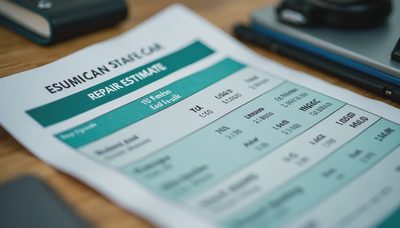
A diagnostic inspection usually adds $75 to $150, although some repair shops apply that fee toward the completed work. Ask for a written estimate that separates diagnosis, parts, labor, fluid, shop supplies, and taxes. That makes it easier to compare a dealership quote with an independent shop without comparing two different scopes of work.

What is actually leaking?
The reservoir is the easiest place to start. If the fluid level is low, look for wetness around the cap, reservoir, pump, hoses, and steering rack. A dark, oily trail behind a front wheel can point toward a rack seal or hose. The exact fluid color varies by vehicle, so use the owner’s manual rather than guessing from appearance alone.
A worn hose is often the best-case repair. Hoses can crack from age, heat, or rubbing against nearby components. A technician may replace the hose, install new clamps, refill the system, and bleed trapped air. The power steering leak fix cost is often manageable when the leak is found before the pump runs dry.
A pump problem is more involved. The pump circulates hydraulic fluid and can whine when the level drops. Continuing to drive with low fluid may damage the pump, turning a hose repair into a much larger bill. Some newer vehicles use electric power steering instead of hydraulic fluid, so a suspected steering issue could involve a motor, sensor, wiring, or control module rather than a conventional leak.
Warning signs that should not wait
Listen for a high-pitched whine or groan while turning the wheel, especially at low speeds. Notice whether steering effort suddenly increases, the wheel feels jerky, or the vehicle does not return smoothly after a turn. A puddle beneath the front of the car is another clear warning, particularly if it grows after each drive.
If steering becomes unusually heavy, pull over somewhere safe rather than trying to finish a long commute or road trip. A loss of hydraulic assist does not always mean the steering wheel becomes impossible to turn, but it can require far more effort during a tight maneuver. Do not crawl under a vehicle supported only by a jack, and never add random fluid without confirming the correct specification.
A small leak can be tempting to postpone when the car still feels normal. That choice is risky because fluid loss can accelerate, and a pump operating without adequate lubrication can fail quickly. The cheapest power steering leak fix cost is usually associated with early detection, not with waiting until the reservoir is empty.

How shops determine the final estimate
A good technician starts with a visual inspection and checks the fluid level, belt condition, pump noise, and steering response. If the source is unclear, the shop may clean the area, add approved fluorescent dye, and inspect it again after a short drive. This avoids replacing a pump simply because fluid is visible nearby.
The estimate should identify the failed component. A hose replacement might require less than two hours, while a steering rack can involve several hours of labor, alignment, and additional fluid. Some vehicles require removal of splash shields or other components before the leak can be seen. After a rack or suspension-related repair, a wheel alignment is often recommended because steering components have been disturbed.
For an older vehicle, compare the repair with the car’s condition and value. Spending $700 on a reliable vehicle with fresh tires and a strong service history can be sensible. Spending $1,800 on a high-mileage car that also needs brakes, cooling-system work, and suspension repairs deserves a broader ownership decision.
Does car insurance cover a steering leak?
Standard auto insurance usually does not cover a mechanical failure caused by wear, age, or poor maintenance. Comprehensive coverage generally applies to non-collision events such as theft, hail, falling objects, or animal impact, not a worn steering hose. Collision coverage can apply when an accident damages the steering system, subject to the policy deductible and claim terms.
For example, if a road impact bends a component and causes a leak, document the scene, photograph the damage, and ask the insurer how to proceed before authorizing major repairs. If the leak simply appeared during normal driving, an insurance claim is unlikely to be useful, especially when the estimate is below the deductible. Roadside assistance may help with towing, but it typically does not pay for the mechanical repair itself.
An extended service contract or manufacturer warranty can be different. Coverage depends on the contract, exclusions, vehicle age, and whether the failed component is listed. Keep repair invoices and maintenance records, since they can support a warranty review even when they do not change an insurance decision.
Ways to control the repair bill
Call two or three reputable shops and describe the symptoms rather than demanding a specific part. Ask whether the quoted power steering leak fix cost includes fluid, bleeding the system, disposal fees, and a post-repair inspection. A shop willing to explain the diagnosis is generally a better choice than one that jumps directly to the most expensive component.
Original-equipment parts can be worthwhile for a rack, pump, or electronic steering component, while a reputable aftermarket hose may offer good value. Avoid the cheapest unknown pump if labor is substantial; saving $100 on the part is not helpful if it fails and you pay installation again. Ask about the parts warranty and labor warranty in writing.
Before a road trip, check the reservoir only when the engine and surrounding components are safe to approach, and watch for fresh spots after parking. If you notice a growing leak, book an inspection before the scenic detour becomes a tow-truck stop. A careful diagnosis, realistic estimate, and properly matched insurance coverage can protect both your steering control and your travel budget.