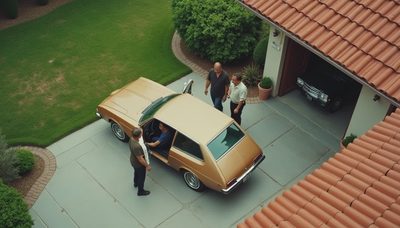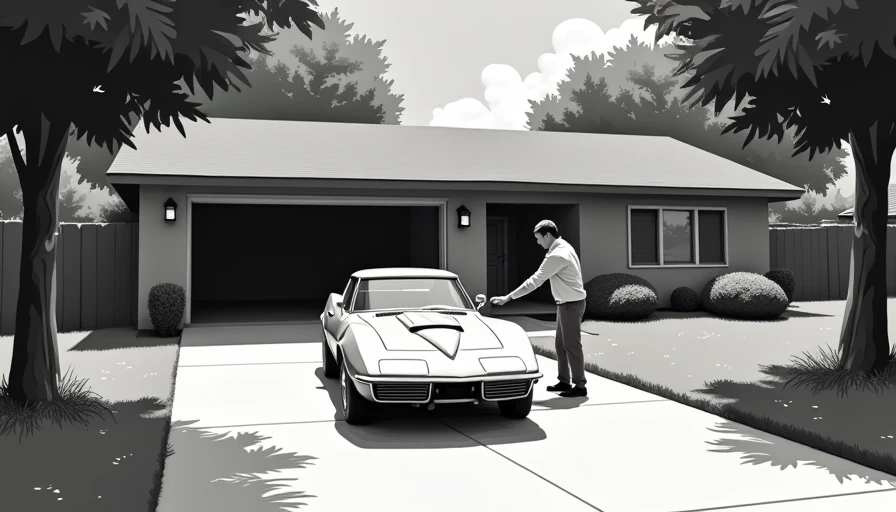
You crest a hill on California's Highway 1, and the first thing you smell is salt air mixed with the faint, sweet aroma of old gasoline and hot rubber. That's the scent of an old Corvette parked beside you—a C3 from the late '70s, its fiberglass body still glossy after four decades. Buying an old Corvette isn't just about owning a car; it's about buying into a sensory story that no modern vehicle can replicate. The engine fires with a loping idle that sends vibrations through the seat, and when you hit the throttle, the sound is raw, mechanical, and utterly addictive. Here's what you smell first, what you notice second, and what you'll remember a year from now.
The Sound That Stays with You
Every old Corvette has a voice. The small-block V8 in a '68 Stingray grumbles differently from the big-block in a '72 convertible. One of my most vivid driving memories comes from a 1971 Corvette I borrowed for a weekend in the Sierra Nevada foothills. At a stoplight, a kid in a prius rolled down his window and just said, "That thing sounds mean." He was right. The exhaust note from an old Corvette isn't polished; it's throaty and slightly uncivilized, the kind of noise that makes you want to take the long way to dinner. If you've never driven one, you might expect a rough, punishing ride. And yes, the suspension is stiff, the steering heavy, and the brakes require a second thought. But the trade-off is a connection to the road that modern cars filter out.
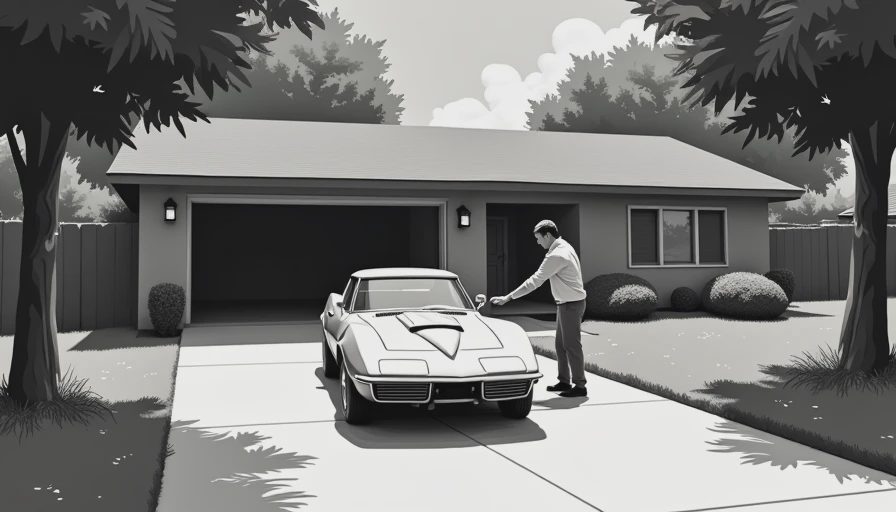
The Driving Experience: Not What You Expect
An old Corvette isn't fast by today's standards. A 1979 L48 coupe made about 195 horsepower—less than a base Civic today. But it feels faster because the chassis isn't dialing out every sensation. You feel every bump, every camber change, every pebble under the tires. The transmission is likely a three-speed automatic or a four-speed manual with a long-throw shifter that demands deliberate moves. That's part of the charm. You can't just get in and go; you have to drive it. The first time I drove an old Corvette through the twists of the Santa Monica Mountains, I was surprised by how much attention it drew. People waved, gave thumbs up, asked questions at gas stations. It's a rolling conversation starter.
Where to Take an Old Corvette: Routes That Match Its Spirit
An old Corvette deserves roads that reward its character. Stick to two-lane highways with elevation changes. The Blue Ridge Parkway is a classic, but I prefer lesser-known stretches like California's Highway 49 through the Gold Country or Utah's State Route 12 through red rock canyons. The car's low stance and wide track make it feel planted in sweepers, and the open cockpit (if you get a convertible) lets in the smells of pine and dry earth. Avoid interstates; an old Corvette is loud inside at highway speeds, and the fuel economy hovers around 12-15 mpg. Take the scenic route, plan stops at small diners, and embrace the leisurely pace.

Maintenance and Costs: What to Know Before You Buy
Owning an old Corvette is not cheap. A decent driver-quality C3 can be found for $15,000-$25,000, but restoration projects cost more in parts and labor than they're worth. The model specific issue: carburetors need adjusting, ignition points need replacing, and rubber bushings and seals degrade over time. Budget at least $2,000 a year for upkeep if you drive regularly. Parts are widely available through online vendors like Zip Corvette Parts or Corvette Central, and many mechanics specialize in these cars. The best advice: buy the nicest example you can afford rather than a fixer-upper. The old Corvette market has softened slightly from its 2015 peak, so it's a decent time to buy.
The Old Corvette as a Road Trip Companion
I've taken several road trips in old Corvettes, and each one reinforces why they're special. The lack of modern convenience—no backup camera, no adaptive cruise, no Bluetooth—means you talk more with your passenger, you look at the scenery instead of a screen, and you stop at places you might otherwise fly past. There's a reason the old Corvette remains an icon: it's not a good car by any reasonable metric, but it's a brilliant machine for making memories. A year later, what I still think about isn't the mechanical specs. It's the involuntary grin that spread across my face every time I started the engine. If you're considering one, do it. But be ready for the lifestyle that comes with it.
Before You Buy: A Quick Checklist for Old Corvette Shoppers
Before you hand over cash for an old Corvette, go through this list to avoid costly mistakes.
- Check the frame for rust. The birdcage frame under the fiberglass is prone to corrosion, especially near the kick-up areas behind the doors. Use a flashlight and look for flaking or holes. Frame rust is expensive to fix.
- Verify the numbers match. The engine block, transmission, and rear axle should have matching VIN derivative stamps if originality matters to you. Non-matching cars are worth less but can still be fun drivers.
- Inspect the fiberglass for cracks or stress marks. Look at the hood, door jambs, and rear deck. Cracks near the windshield pillars may indicate a bent frame.
- Drive it at highway speeds. An old Corvette can wander on the road if the steering box is loose or the alignment is off. Also test the brakes hard from 60 mph—single-piston calipers require a firm pedal.
- Ask for service records. A car with detailed maintenance history is worth a premium. Look for evidence of recent carburetor rebuild, brake system overhaul, and cooling system flush.
- Check the birdcage area behind the dashboard for rust. Water leaks often damage the windshield frame and lower dash structure.
- Negotiate based on known issues. If the interior is tired, the AC doesn't work, or the tires are old, use that to bring the price down. Plan to spend $1,000-$3,000 on immediate sorting.
Final Thoughts
The old Corvette is a time machine. It will drive you to places you've never been and remind you why the journey matters more than the destination. It's imperfect, loud, thirsty, and gloriously analog. And that's why it still steals the show.