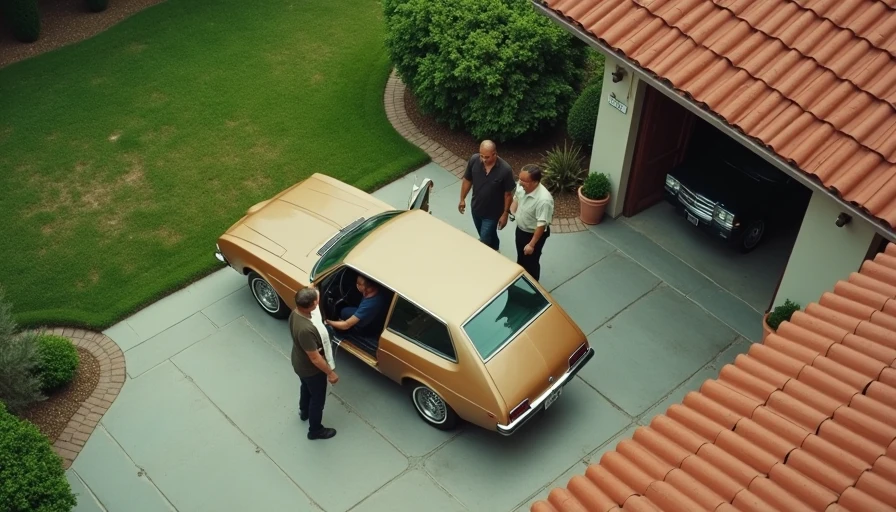
The first thing you notice about the american motors pacer car is its width. It sits lower and broader than almost anything else on the road, a bubble of glass and steel that looks like it rolled off a drawing board from the future — the future of 1975, that is. I first saw one at a cars and coffee in Marin County, parked between a Mustang and a Bel Air. The owner caught me staring and just smiled. "Get in," he said. "You'll either love it or laugh." I loved it.
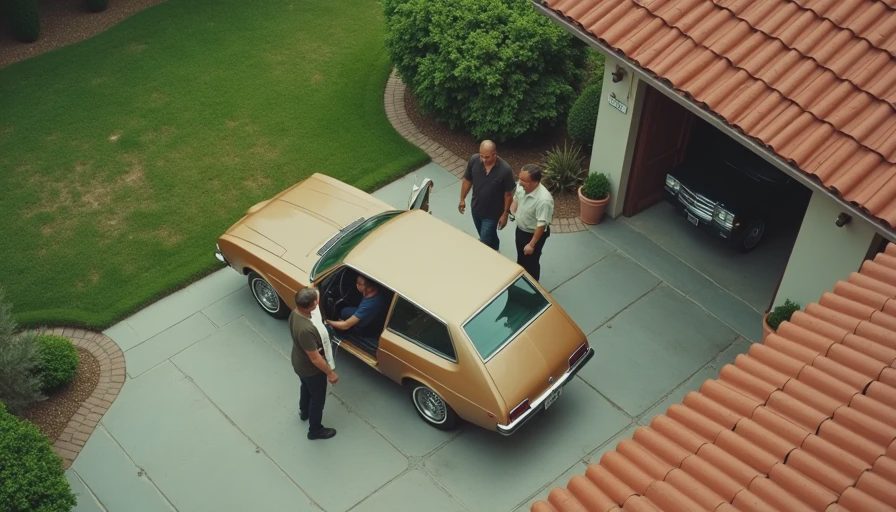
The american motors pacer car was AMC's bold answer to the fuel crisis of the early 1970s. While Detroit was still churning out land yachts, AMC decided to build something radically different: a wide, compact car with massive windows and a short nose. The idea was to offer the interior room of a full-size car in a body that was easy to park and efficient on gas. It was a gamble, and like many gambles, it paid off for a while before fading into cult status.
Why the AMC Pacer Still Turns Heads
Decades later, the american motors pacer car has become a symbol of 1970s optimism and eccentricity. Its asymmetrical doors — the passenger door is four inches longer than the driver's door — were meant to make rear-seat access easier. The fishbowl greenhouse gave drivers an unobstructed view of the world, and the world an unobstructed view of them. At a time when cars were growing more angular, the Pacer stayed soft and round. It looked like a friendly spaceship.
I met a retired engineer at that same cars and coffee who told me he bought his Pacer new in 1976. "My wife hated it at first," he said with a laugh. "But after a road trip to Yosemite, she admitted it was the most comfortable car we ever owned." That story sums up the Pacer's appeal: it wasn't the fastest or the most beautiful, but it had personality and practicality in equal measure.
Behind the Wheel: What It Was Like to Drive
The driving experience of the american motors pacer car is, to put it charitably, leisurely. The base engine was a 232-cubic-inch inline-six that produced about 100 horsepower. Acceleration is measured in seconds, not thrills. But that's missing the point. The Pacer was designed for cruising, not racing. The ride is soft, the steering light, and the view through that expansive glass is unmatched. I took a short drive in one around the hills of Sausalito, and I found myself slowing down just to enjoy the scenery — something modern cars rarely encourage.
The cabin is surprisingly roomy. Four adults can sit without brushing shoulders, and the flat floor means no transmission tunnel to climb over. The dashboard is a masterpiece of 1970s design: round gauges, a horizontal speedometer, and chunky controls that feel satisfying to push. Every detail says "we tried something different."
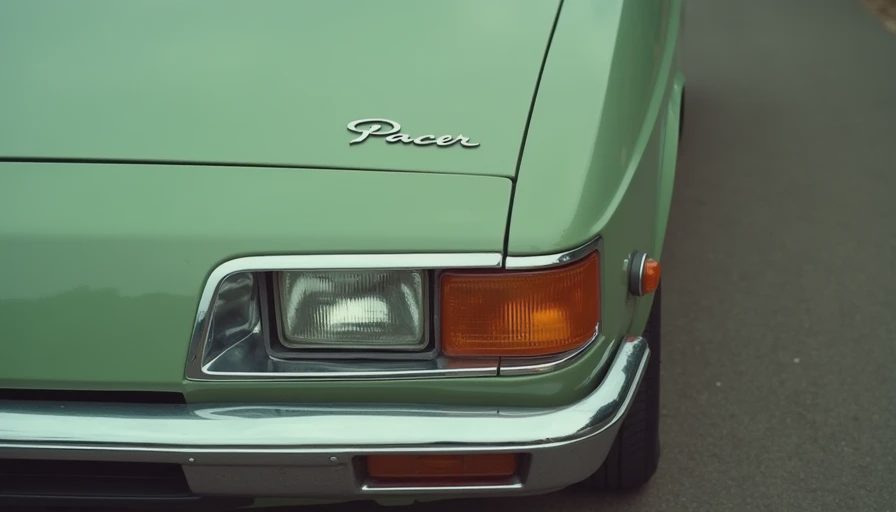
The Pacer's Place in American Automotive History
The american motors pacer car didn't last long — production ran from 1975 to 1980. Fuel economy, which was its selling point, became less of a priority as gas prices stabilized. And the design, while innovative, was expensive to produce. The huge side windows alone were a manufacturing challenge. Still, the Pacer left a mark. It showed that an American automaker could think outside the chromed box, and it gave us one of the most recognizable shapes on the road.
Today, well-preserved Pacers are collecting dust in barns and appearing at auctions with rising prices. Enthusiasts appreciate them for their originality rather than their performance. A clean example can fetch anywhere from $8,000 to $15,000, depending on condition and options. Parts are still available through specialist suppliers, and the community around the car is small but passionate.
Pacer in Popular Culture: From Movies to Music
The american motors pacer car has made its mark on pop culture. It appeared in the 1997 film "The Lost World: Jurassic Park" as the vehicle driven by the character Eddie Carr. Its distinctive shape made it perfect for the role of a rugged field vehicle. The Pacer also shows up in music videos, most notably in "1979" by the Smashing Pumpkins, where it captured the nostalgic feel of the late 1970s. More recently, it was featured in the animated series "The Simpsons" as a joke about outdated design. These appearances keep the car in the public eye and remind people why it remains so memorable. For collectors, owning a Pacer means owning a piece of movie history. The car's unique look ensures it stands out in any scene, making it a favorite for film and TV producers looking for an instant time machine.
Should You Consider Buying a Pacer Today?
If you're in the market for a classic car that starts conversations, the american motors pacer car is a strong candidate. It's affordable compared to muscle cars, easy to work on, and surprisingly practical for a vehicle from the 1970s. You won't win any drag races, but you'll never get tired of the looks it gets at the gas station.
Before buying, check for rust in the floor pans and around the window seals. The drivetrain is simple — the engine and transmission from other AMC models are interchangeable, which keeps repair costs low. Join an AMC forum or a local club before you commit. Owners are generous with advice, and they love seeing new people discover the car.
A year later, what I still think about is that first moment I saw the Pacer in the California sun. It was odd, imperfect, and utterly charming. It reminded me that cars don't have to be fast to be memorable. They just have to have a story worth telling.