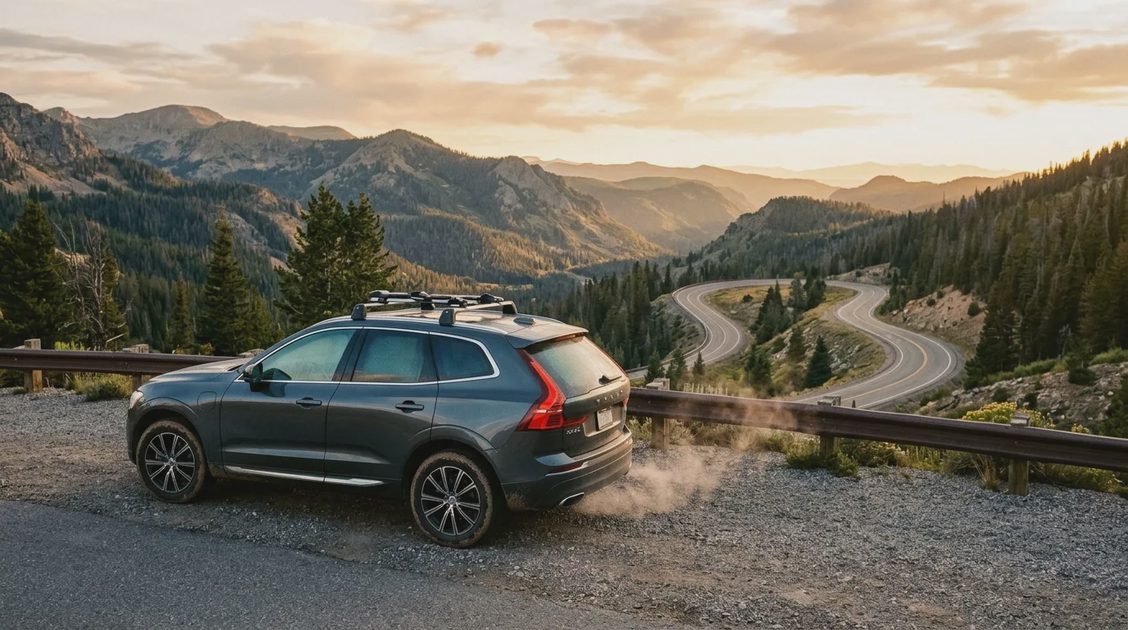
I keep staring at the same number.
18.6%.
That’s the share of U.S. retail new-vehicle sales that hybrids were expected to take in October, according to the J.D. Power and GlobalData forecast. Four full points higher than a year earlier. In a market that is basically flat, that kind of movement is not noise. It is the market quietly voting with its wallet.
And the vote is pretty clear: a lot of people still want a car that just works.
The Quiet Preference
Most of the loud conversation in this industry still runs on extremes. Full electric or nothing. Legacy combustion forever. Hybrids get treated like a temporary embarrassment, something you tolerate until the “real” future arrives.
Buyers appear to have missed the memo.
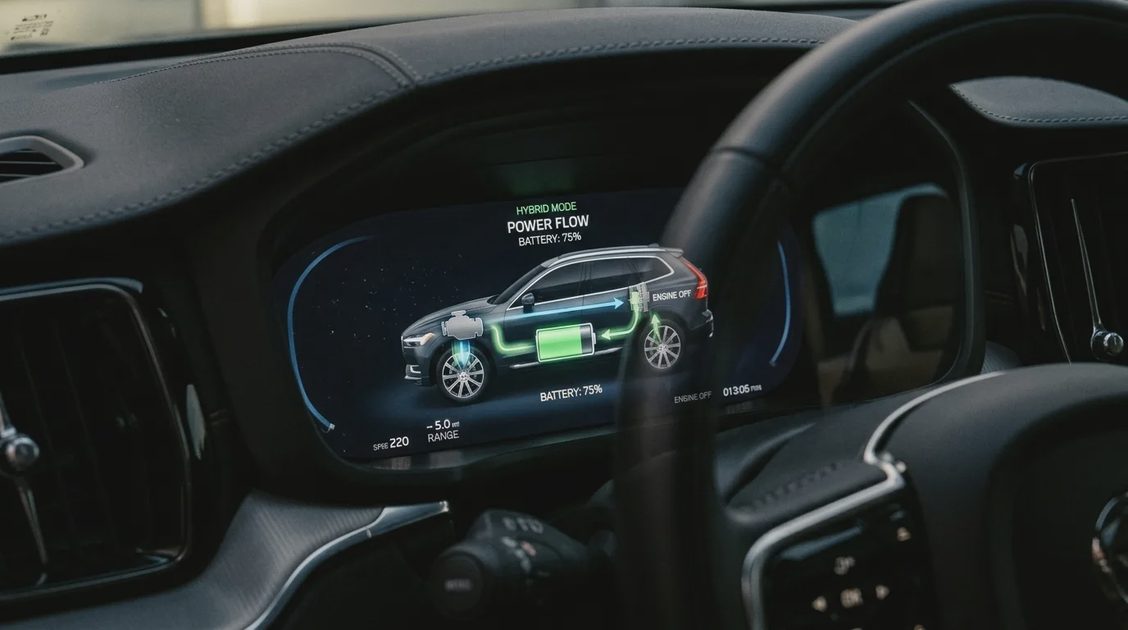
They are choosing the thing that does not require a home charger, does not demand route planning apps, and does not punish you for living in an apartment or an older house with a 100-amp panel. At the same time, they are rejecting the simple math of feeding a conventional engine when gas stays expensive and monthly payments already hurt.
I drove a current RAV4 Hybrid across Colorado and down into New Mexico a few months ago. Nothing memorable happened. No drama at the fuel pump. No range anxiety. No searching for a working charger behind a grocery store at 9 p.m. The truck just used less fuel and kept going. That absence of friction is exactly what a lot of households are paying extra for right now.
Why the Timing Favors Hybrids
Look at the conditions.
Average new-vehicle prices are still sitting above fifty thousand dollars. Monthly payments hit an October record around $823. Interest rates have not been kind. Gasoline has stayed high enough to matter in the monthly budget. Under that kind of pressure, people get practical fast.
Hybrids sit in the only remaining comfortable middle. They deliver real efficiency gains without forcing a lifestyle rewrite. That combination is rare right now, and the sales numbers are reflecting it.
Toyota, Honda, Hyundai, and Kia have been ready for this moment. Their hybrid lineups were already broad and relatively mature. When the market shifted, they had product sitting on the ground. Detroit, for the most part, did not.
Detroit’s Late Realization
General Motors finally seems to be reacting. Reporting out of the Reuters Automotive conference in late October said the company is preparing hybrid versions of the Traverse, Enclave, and Acadia. Those are volume three-row SUVs that families actually buy. Offering them only as traditional gas or pure electric left a large and obvious gap.
It is a sensible move. It is also late.
Ford and Stellantis face the same problem in different degrees. The high-margin trucks and large SUVs still move, but the rest of the portfolio has been slower to give shoppers a credible hybrid option in the segments where people actually spend money. Meanwhile the Asian brands keep converting preference into conquest sales.
I do not think this means battery-electric vehicles are finished. They remain the right answer for certain drivers and certain use cases. But the October data makes it harder to pretend that pure EVs are ready to be the default choice for the majority of the market. Infrastructure gaps, housing realities, and simple cost still matter. Hybrids are absorbing the buyers who want efficiency without the full set of new constraints.
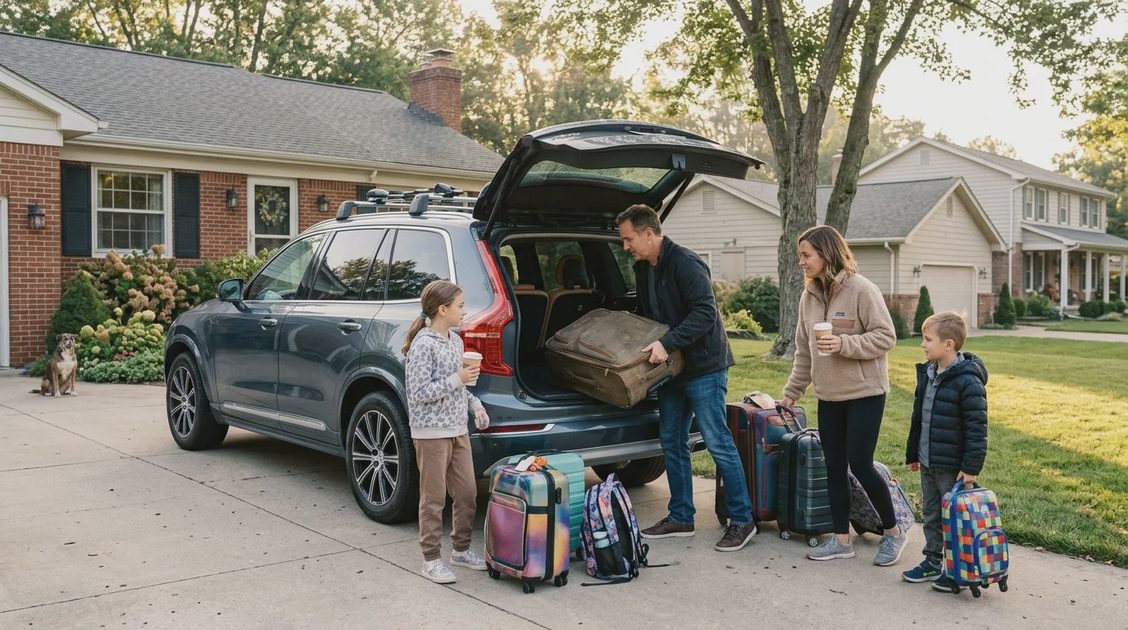
What 18.6% Actually Means
The percentage itself is less interesting than the conditions that produced it.
This is not a subsidy-driven spike. It is not a temporary reaction to a single month of high gas prices. It is a sustained preference forming under pressure. High transaction prices. Elevated financing costs. Fuel that still costs enough to notice. In that environment, the powertrain that removes the most daily friction is winning share.
There is also a quiet rejection of the old narrative. For years the industry talked about hybrids as a bridge technology. Something you tolerate on the way to the real future. A meaningful number of buyers have decided the bridge is actually a destination. That has consequences for residual values, dealer inventory mix, and long-term product planning.
I keep thinking about the ownership experience more than the technology. A good hybrid does not ask you to become an energy manager. It does not require memberships or contingency plans. It simply uses less fuel while keeping the flexibility most people still need. In a year when almost everything feels more expensive and more complicated, that reliability has commercial value. The October numbers are the market putting a price on it.
Looking Ahead Without the Hype
The open question is whether the Detroit brands can close the gap before the current leaders lock in even more share. GM’s planned hybrid SUVs are a start. Execution will decide whether they feel like genuine competitors or late arrivals. Ford’s next moves around hybrid and extended-range technology will be watched just as closely.
For now the data is hard to argue with. In a soft, price-sensitive market, hybrids are the powertrain that keeps taking share. 18.6% is not a peak. It looks more like a new floor.
The industry can keep debating the timeline of the pure-electric future. Shoppers, for the moment, are busy solving a different problem: how to move people and stuff without lighting money on fire every week. Hybrids are currently the most popular answer to that question.
That should tell us something.