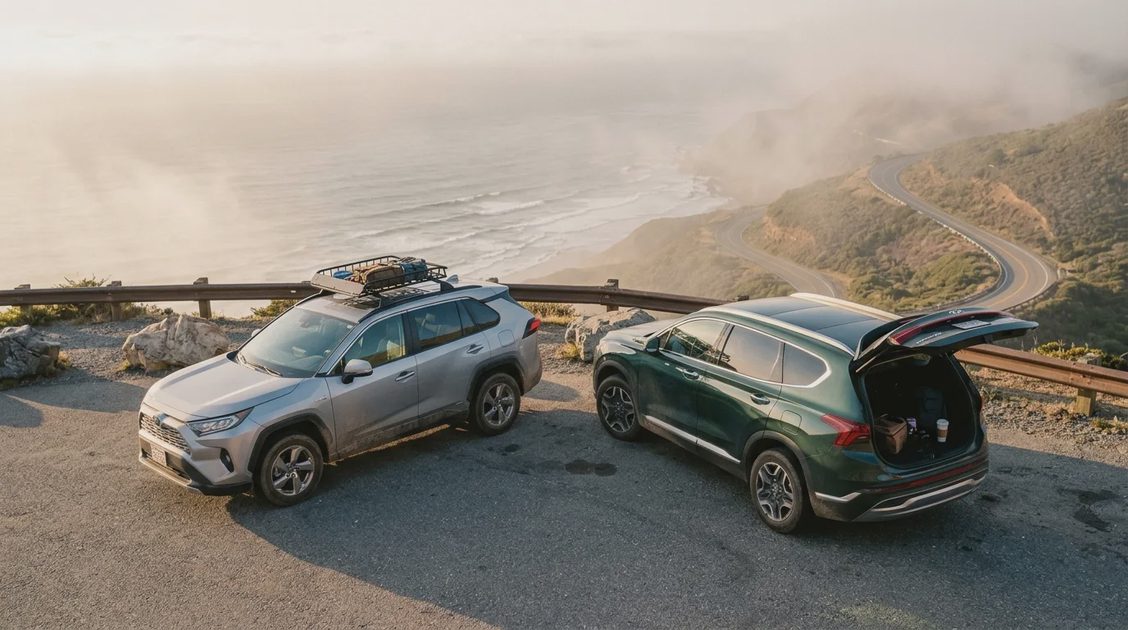
The October numbers landed the way they usually do — quietly, then all at once.
Toyota up roughly 6.5 percent. Honda around 8 percent. Hyundai posting its best October on record. Kia not only setting a monthly record but stretching its streak to six consecutive months of all-time highs. Meanwhile several Detroit nameplates were flat or down. The gap is no longer subtle.
And the common thread is not complicated. Hybrids.
Not the flashy pure-electric launches. Not the long-range battery claims. Just the steady, practical gas-electric systems that let people drive the vehicles they already wanted while burning noticeably less fuel. In a market still wrestling with high transaction prices and elevated monthly payments, that combination is proving more powerful than most of the industry narrative still admits.
What the Numbers Actually Show
Look at the Korean brands first, because their October results were the most dramatic.
Hyundai sold 73,452 vehicles in the United States last month, a 5 percent increase and its strongest October ever. Hybrids accounted for 29 percent of that volume after rising 20 percent year-over-year. One in three Hyundais that left a dealer lot in October was a hybrid. The Santa Fe and Palisade hybrids both set October records. Year-to-date hybrid sales for the brand are up roughly 50 percent.
Kia was even more aggressive. The brand moved 80,008 units, up 16 percent, and recorded its sixth straight month of record sales. Hybrid deliveries jumped 114 percent. The Sportage, Sorento and Carnival hybrids all contributed heavy volume. Electrified vehicles as a group (hybrids plus pure EVs) more than doubled for Kia in the month. Retail sales were especially strong, up about 20 percent.
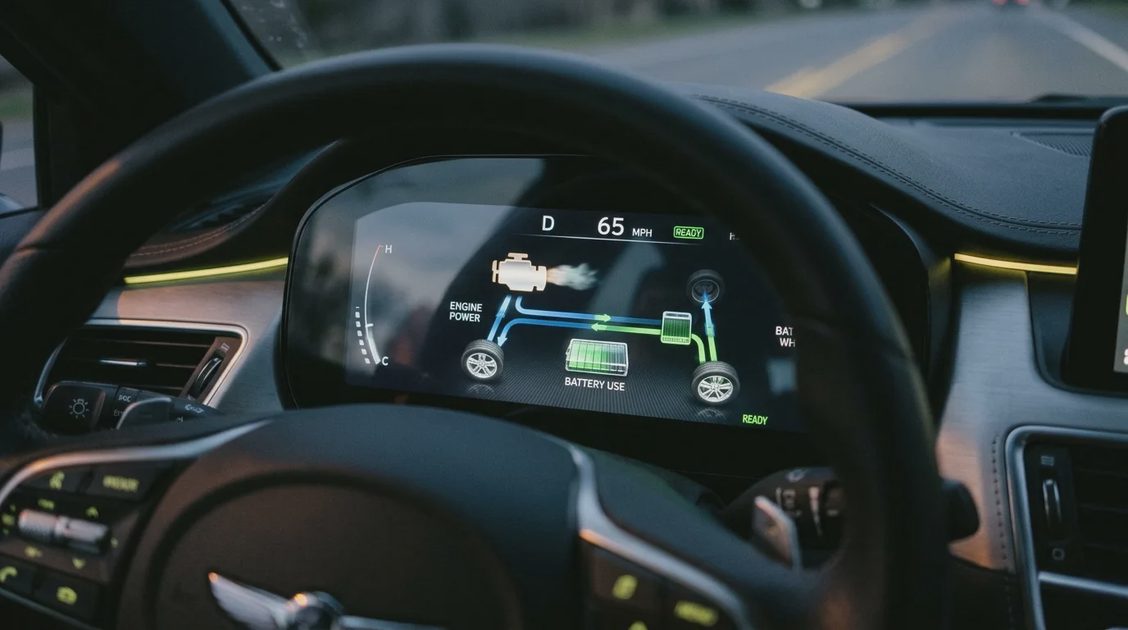
Toyota’s story is less about a single explosive month and more about sustained structural advantage. The company posted another solid gain, with electrified vehicles (the vast majority of them hybrids) making up more than half of total volume in recent reporting periods. The RAV4, now offered only with hybrid or plug-in hybrid powertrains in many configurations, continues to be a volume anchor. Lexus also posted double-digit growth. When nearly six out of ten vehicles a brand sells are electrified, and most of those are hybrids rather than pure battery-electrics, the product strategy starts to look less like a bridge and more like a destination.
Honda followed a similar pattern. Overall volume rose about 8 percent, with electrified sales (again, mostly hybrids) up 11 percent. The CR-V, Accord and other core models continue to benefit from hybrid powertrains that customers can buy without changing how they refuel or where they live.
These four brands are not winning because of marketing slogans. They are winning because they had the right product on the ground when buyer priorities shifted.
Why Hybrids, and Why Now
The broader market context matters. New-vehicle prices remain elevated. Average monthly payments have been setting records. Interest rates have not returned to the easy-money era. Gasoline has stayed high enough to show up in household budgets. Under those conditions, shoppers become ruthlessly practical.
A well-executed hybrid delivers measurable fuel savings without requiring a home charger, a new daily routine, or confidence in public charging networks. It does not force a family that needs a three-row SUV or a compact crossover to compromise on space or capability. It simply makes the existing vehicle more efficient. That is a lower-friction decision than switching to a pure EV, especially for buyers who live in apartments, older housing stock, or regions where charging infrastructure is still thin.
I have driven enough of these vehicles over the past couple of years to notice the pattern. The better hybrids disappear into the background. You stop thinking about the powertrain and start thinking about the trip. That quiet competence is exactly what a stressed, price-sensitive market rewards.
The Japanese and Korean brands spent years building hybrid systems that feel mature. Toyota’s long experience is well known, but Honda, Hyundai and Kia have closed the gap in refinement and packaging. When the market moved, they already had the inventory and the dealer familiarity in place. Detroit, for the most part, did not.
The Wider Implications
Market share is a lagging indicator until it suddenly is not. Toyota has been closing the gap on General Motors for months. Hyundai and Kia continue to take volume that once would have gone to more traditional midsize SUV and crossover competitors. Honda remains a steady alternative for buyers who want reliability and efficiency without drama.
None of this means pure electric vehicles are irrelevant. Certain models still find buyers, and the long-term direction of the industry has not changed. But the October results make it harder to pretend that the transition is unfolding on the timeline many executives and policymakers preferred. A large segment of the market is voting for the technology that solves today’s problem — high operating costs — without introducing a new set of constraints.

There is also a product-planning lesson here. Brands that treated hybrids as a temporary compromise are now scrambling to catch up. GM’s reported plans to add hybrid versions of the Traverse, Enclave and Acadia are a direct response to the volume these Korean and Japanese models are taking. Whether those future products arrive with the refinement and efficiency customers now expect will determine how much share can be clawed back.
I keep coming back to the ownership experience rather than the technology brochure. The vehicles that are selling well right now do not ask the driver to become an energy manager. They do not require apps or contingency routes. They simply use less fuel while retaining the flexibility most households still need. In a year when almost everything feels more expensive and more complicated, that reliability has commercial value. The Japanese and Korean brands quantified that value in October and turned it into market share.
Looking Past the Monthly Noise
One month does not make a permanent shift. But the pattern has been consistent for most of 2026. Hybrid demand has been the reliable growth engine while pure EV volume has been more volatile and, in many cases, softer once incentives changed. The brands that built broad, credible hybrid lineups years ago are collecting the compounding benefits now.
For shoppers, the practical takeaway is straightforward. If you need a vehicle that balances efficiency, range, and everyday usability without infrastructure dependency, the current Japanese and Korean hybrid offerings are among the strongest options on the market. The sales data is simply confirming what a growing number of buyers have already decided at the dealership.
The industry can continue debating the exact timeline of the pure-electric future. In the meantime, a significant portion of the market has found a solution that works today. Toyota, Honda, Hyundai and Kia are the ones supplying it at scale. The October results are the clearest evidence yet that the strategy is working.