The first thing you notice is the sound: olive oil whispering in a skillet, followed by garlic hitting the heat. After a long drive home or a day spent behind a laptop, that small kitchen noise can feel like a reset button. The best healthy dinner recipes do not require a spotless kitchen, rare ingredients, or an hour of complicated prep. They give you a satisfying meal with enough color, texture, and flavor to make takeout feel like the less interesting option.
For me, dinner works best when it follows the logic of a good road trip. Start with a reliable route, leave room for a scenic detour, and do not pack more than you need. A useful formula is a lean protein, two vegetables, a smart carbohydrate, and a sauce that makes everything taste intentional. Chicken, salmon, beans, tofu, farro, brown rice, and sweet potatoes can move through that formula without becoming repetitive.
Build a practical dinner formula
A balanced plate starts with ingredients that cook at roughly the same speed. Try salmon with broccoli and quinoa, or chickpeas with roasted cauliflower and couscous. For a faster option, use microwaveable brown rice, canned beans, prewashed greens, and frozen vegetables. These are not shortcuts to apologize for; they are tools that make cooking realistic on a Tuesday.
One of my favorite healthy dinner recipes is a sheet-pan meal with chicken thighs, sliced fennel, cherry tomatoes, and small potatoes. Toss everything with olive oil, smoked paprika, lemon zest, salt, and pepper, then roast until the chicken is cooked through and the edges are browned. The fennel turns sweet, the tomatoes collapse into a loose sauce, and cleanup is limited to one pan. A spoonful of Greek yogurt mixed with lemon juice makes a cool finish.
Portioning also becomes easier when you think in components rather than strict measurements. Fill about half the plate with vegetables, add a palm-size portion of protein, and use the remaining space for grains or starchy vegetables. A drizzle of tahini, salsa verde, or a quick vinaigrette can provide more satisfaction than adding extra cheese or heavy cream.
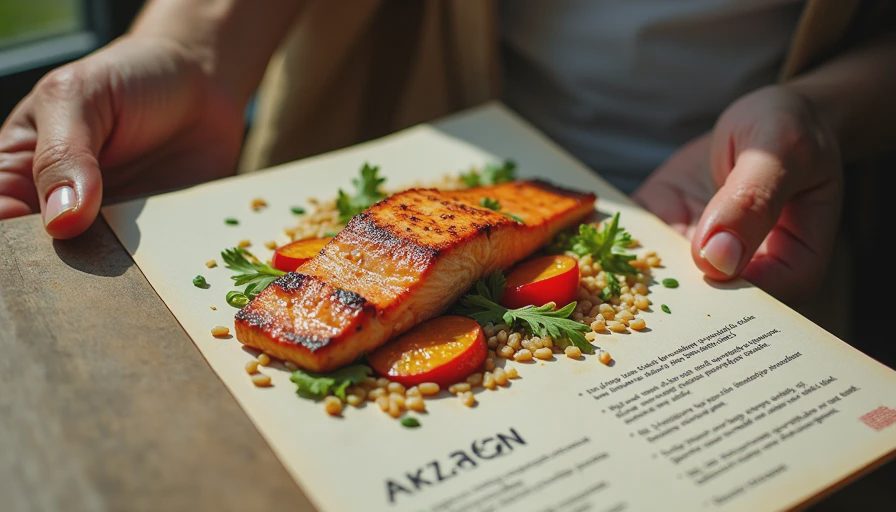
Healthy dinner recipes that take 30 minutes
When time is tight, choose cooking methods that create flavor quickly. Searing, broiling, and stir-frying are more useful than waiting for a large roast to finish. A shrimp and vegetable skillet is ready in about 20 minutes: cook shrimp with garlic and red pepper flakes, move them to a plate, then soften snap peas, bell pepper, and mushrooms in the same pan. Return the shrimp and finish with lime juice.
Another dependable option is turkey lettuce cups. Brown lean ground turkey with ginger, garlic, scallions, and a little low-sodium soy sauce. Spoon it into crisp lettuce leaves and add shredded carrots, cucumber, and chopped peanuts. The contrast between warm filling and cool vegetables makes the meal feel generous without requiring a heavy side dish.
For meatless nights, make a quick white bean pasta. Stir cannellini beans, spinach, halved grape tomatoes, and whole-wheat pasta with olive oil, garlic, and a small amount of Parmesan. Reserve pasta water to create a silky sauce. This is one of those healthy dinner recipes that tastes even better the next day because the beans absorb the garlic and lemon.
The detail that made the trip: keep two sauces ready in the refrigerator. A jar of pesto can transform roasted vegetables, eggs, or grilled chicken. A lemon-tahini dressing can carry a grain bowl through several lunches. A good sauce is an itinerary change for leftovers; the same ingredients feel new when the flavor direction shifts.
Make weeknight cooking easier to repeat
Healthy dinner recipes become routine when the kitchen is set up for low-friction decisions. On Sunday, wash greens, chop one sturdy vegetable, cook a grain, and mix a dressing. Store each component separately so it remains useful. Roasted carrots can accompany salmon one night, fill a grain bowl the next, and become part of a frittata later.
Keep a small shelf of dependable pantry items: canned tomatoes, lentils, chickpeas, tuna, whole-grain pasta, brown rice, broth, and spices. In the freezer, store peas, spinach, edamame, berries, and a few portions of fish or chicken. These ingredients are especially valuable after travel, when the refrigerator contains little beyond a lemon and an aging bunch of herbs.
If you drive a Subaru Outback or another vehicle with generous cargo space, a cooler can also make a long weekend easier. Pack hummus, cut vegetables, hard-boiled eggs, fruit, and grain salads for the road rather than relying entirely on gas-station snacks. Food that travels well can keep an arrival day calm and leave room for a proper dinner later.

Flavor ideas that prevent repetition
The easiest way to keep a meal plan interesting is to change the seasoning language. Use cumin, coriander, and lime with black beans and roasted sweet potatoes. Try dill, lemon, and capers with salmon or white beans. Ginger, sesame oil, and rice vinegar work with tofu, cabbage, and edamame. Italian flavors can be as simple as basil, tomatoes, garlic, and Parmesan.
Texture matters just as much as seasoning. Add toasted almonds to a salad, crispy chickpeas to soup, or pumpkin seeds to roasted vegetables. A handful of fresh herbs can make a bowl taste newly prepared even when the base was cooked two days earlier. Healthy dinner recipes should not feel like punishment disguised as meal prep; they should offer a reason to sit down.
For families or households with different preferences, serve meals in separate parts. Put cooked protein, grains, vegetables, avocado, salsa, and herbs on the table and let everyone assemble a bowl. This approach is useful when one person wants extra spice or another prefers a vegetarian plate. It also reduces the temptation to prepare several completely separate dinners.
A simple shopping list for four dinners
Start with two proteins, such as salmon and chicken, plus one plant-based option like lentils or tofu. Add broccoli, greens, bell peppers, carrots, tomatoes, onions, lemons, and one sturdy vegetable such as cauliflower or sweet potatoes. Choose brown rice, quinoa, whole-wheat pasta, or farro for grains. Finish with Greek yogurt, herbs, garlic, salsa, and a jar of tahini or pesto.
That list can support a salmon grain bowl, sheet-pan chicken, lentil pasta, and tofu stir-fry without requiring four unrelated shopping trips. Buy enough to create overlap, but not so much that delicate produce gets forgotten. A smaller, deliberate list usually produces better dinners than a cart filled with ambitious ingredients.
The dinner worth remembering
The most useful healthy dinner recipes are not the ones with the longest ingredient lists. They are the meals you can make after a late meeting, a long drive, or an afternoon spent unpacking from a weekend away. They leave you feeling fed rather than weighed down, and they give leftovers a second life instead of sending them straight to the trash.
Here's what you smell first, what you notice second, and what you'll remember a year from now: the lemon over warm vegetables, the crunch of toasted seeds, and the quiet satisfaction of eating something you made with care. Start with one sheet-pan dinner this week, then save the parts that worked. A reliable pantry, two sauces, and a little preparation can turn healthy dinner recipes into the easiest part of the day.