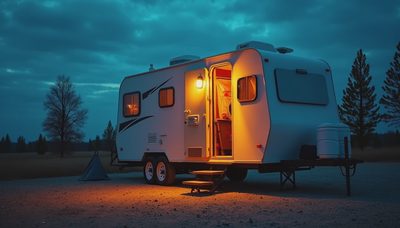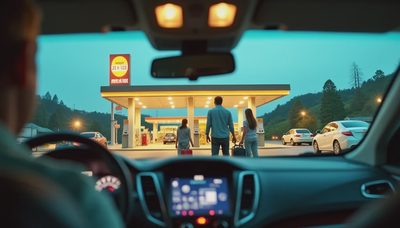
The first thing I notice on a good road trip is not the view. It is the change in engine note when the highway gives way to a two-lane road, followed by the smell of coffee drifting from a small-town cafe. roadtrippers is useful because it helps turn that kind of wandering into a trip with shape, without sanding away the surprises. Whether you are planning a long weekend in a Subaru Outback, an electric-vehicle route, or a family drive with three carefully negotiated playlists, roadtrippers gives you a practical place to begin.
I use roadtrippers less like a rigid navigation system and more like a thoughtful first draft. The app and website can help map a route, estimate driving time, organize stops, and surface attractions, lodging, restaurants, campgrounds, and other points of interest. You still decide whether a stop deserves your afternoon. That distinction matters. A route is not a trip until it has a little appetite, curiosity, and breathing room built into it.
What roadtrippers does especially well
The most helpful feature is visual planning. Instead of entering one destination and accepting the fastest line, you can build a sequence of stops and see how each detour affects the day. That is valuable on a coastal drive, where a scenic overlook, a bakery, and a fuel stop may all matter more than shaving twelve minutes from the route.
roadtrippers also makes distance easier to understand. A destination that looks close on a map can become a tiring six-hour push once traffic, charging, lunch, and a child who needs a restroom are included. Put those realities into the plan early. For a 400-mile day, I would rather schedule a proper meal and one worthwhile walk than pretend every minute behind the wheel will be equally pleasant.
The platform is particularly appealing for travelers who like categories. You can search around a route for museums, outdoor attractions, hotels, campgrounds, restaurants, wineries, and roadside oddities. The best results are not always glamorous. Sometimes the memorable stop is a pie counter, a vintage gas station, or a quiet trailhead where everyone gets out of the car and remembers why the drive was worth taking.

Building a route that feels like your trip
Start with the fixed points: departure time, overnight locations, a ticketed event, or a reservation you cannot miss. Add those first in roadtrippers. Then work outward with stops that support the mood of the trip. A couples weekend might need one excellent dinner and a long scenic stretch. A family itinerary may need shorter driving blocks, playgrounds, and a hotel with easy parking.
Next, divide stops into essentials and possibilities. Essentials are the places you would genuinely regret missing. Possibilities are the coffee shop, viewpoint, or antique store that can disappear if traffic worsens. This simple distinction keeps a full itinerary from becoming a punishment. I also leave at least an hour of open time on a travel day. The unplanned hour is where a road trip often finds its personality.
Pay attention to the car, too. A compact sedan can make an urban-to-urban itinerary feel effortless, while a large SUV offers more luggage flexibility but demands more thought about parking and fuel. Electric-vehicle drivers should place reliable charging near meals or meaningful breaks rather than treating every charger as a destination. roadtrippers can organize the route, but the driver still needs to confirm current road conditions, opening hours, charging availability, and seasonal closures.
Using roadtrippers for food and overnight stops
A good meal is not merely a reward at the end of a driving day. It can set the pace of the entire route. When I plan with roadtrippers, I look for lunch about halfway through a long leg, then a lighter stop later if dinner is still several hours away. That approach is kinder to the driver than relying on whichever fast-food sign appears first after everyone is already hungry.
For restaurant research, treat map listings as leads rather than final judgments. Read recent reviews, check the business website, and confirm the hours before making a detour. A restaurant that sounds perfect at 2 p.m. may close between lunch and dinner, while a popular weekend spot may require a reservation. roadtrippers is strongest at putting possibilities in front of you; your final call should come from current information and the kind of meal you actually want.
The same rule applies to lodging. Compare how far a hotel sits from the route, whether parking is practical, and whether arriving after dark will feel comfortable. A property that saves $40 but adds 35 minutes each way is not necessarily a bargain. On a three-night trip, a central location can protect your time, reduce extra driving, and let you walk to breakfast before starting the next leg.

A realistic planning example
Imagine a three-day drive from Denver to Santa Fe. Day one might focus on leaving early, covering the longest mileage, and stopping for a proper lunch rather than collecting minor attractions. Day two can be slower: a scenic route, an outdoor stop, and an evening meal in town. Day three should include enough margin for the return trip, weather, fuel, and the inevitable final coffee break.
I would build that itinerary in roadtrippers by adding the overnight stays first, then choosing no more than two major stops per day. After that, I would add food options near each stop and mark a backup fuel or charging location. The route now has structure, but it is not crowded with obligations. If the weather turns or the first stop takes longer than expected, the trip can bend without breaking.
That is also where the platform becomes useful for groups. Share the plan before departure and ask each traveler to choose one priority: a restaurant, a view, a shop, or an activity. Everyone gets a voice, but nobody has to negotiate every turn from the passenger seat. A shared itinerary is a small courtesy that can prevent a surprisingly large amount of road-trip friction.
Small details that make the drive better
Before leaving, download or save the details you will need if service becomes unreliable. Keep the vehicle fueled or charged before a remote stretch, and carry water, snacks, medication, a phone cable, and a basic roadside kit. Confirm that your insurance card and registration are accessible. If you are renting, photograph existing damage and understand the rental company’s fuel, toll, and roadside-assistance policies.
Use the route as a guide, not a dare. If a mountain pass looks unsafe, a storm changes the forecast, or a driver is too tired to continue, the plan should change. roadtrippers cannot replace judgment, a current navigation app, or local road information. Its value is helping you think ahead so that a safe change feels like a small adjustment rather than a crisis.
I also recommend reviewing the itinerary the night before each driving day. Remove anything that now feels forced. Add tomorrow’s first fuel stop and confirm breakfast hours. Ten quiet minutes with the plan can save an hour of confusion in the morning, especially when luggage, children, pets, or a tight departure window are involved.
The road-trip planning tool worth making your own
The best road trips are neither completely improvised nor scheduled down to the last restroom break. roadtrippers sits in the useful middle: it gives you a map, a collection of possibilities, and enough structure to make a long drive feel manageable. Your job is to edit it with real knowledge of your car, passengers, budget, energy, and appetite.
Here is what you smell first, what you notice second, and what you will remember a year from now: the warm bread at an unplanned lunch, the view beyond the windshield, and the conversation that only happened because nobody was rushing to the next waypoint. Start with roadtrippers, leave room for the road itself, and plan a trip that feels considered rather than controlled.