The first thing you notice is the sound: a faint scrape when you turn into a parking space, a click beneath the hood, or the slow hiss of a tire losing air. When that happens, searching for car repair near me is easy. Finding a shop you trust with your vehicle, your schedule, and a potentially expensive bill takes more care. I learned this on a rainy stretch outside Santa Cruz, when my Subaru Outback developed a warning light just before a weekend drive. The nearest garage mattered, but the right questions mattered more.
A good repair search should balance distance, technical skill, transparent pricing, and convenience. Whether you need a battery, brake work, body repair, or help after a collision, a few deliberate steps can separate a useful local shop from an expensive detour.
Start with the problem, not just the location
Before choosing a result, describe what the vehicle is doing. A dashboard warning light, vibration at highway speed, soft brake pedal, overheating, or fluid leak can point toward very different services. Search terms such as car repair near me plus “brakes,” “collision,” “alignment,” or your vehicle’s make can narrow the field quickly.
If the car is unsafe to drive, do not turn the search into a test drive. A flashing check-engine light, severe steering problem, smoke, a burning smell, or a brake pedal that reaches the floor deserves a tow. Roadside assistance through AAA, an insurer, or a vehicle manufacturer plan can often arrange towing to a shop. Ask where the car will be taken and whether you can choose the destination. A slightly farther independent garage with strong diagnostic equipment may be a better choice than the closest storefront.
For routine problems, record a short video of the sound and photograph warning lights or visible damage. Note when the symptom occurs, the mileage, and whether it began after a pothole, storm, or accident. That information helps a technician avoid starting from zero.
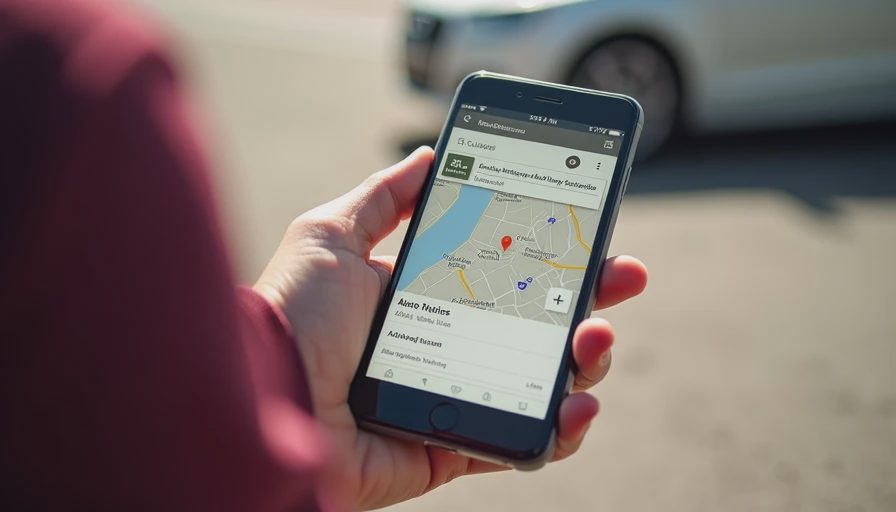
Compare local shops before approving work
The phrase car repair near me usually produces dealerships, national chains, mobile mechanics, and independent garages. Each can be appropriate. A dealership is often useful for warranty concerns, software updates, recalls, and brand-specific systems. An independent shop may offer more personal service and competitive labor rates, especially for older vehicles. National chains can be convenient for tires, batteries, oil changes, and standardized brake work, though the individual location still matters.
Look for a clear business address, posted hours, current contact information, and reviews that mention the exact service you need. A shop praised for quick tire replacement is not automatically the best choice for a complex hybrid fault or a luxury vehicle’s electronic system. Check whether technicians hold certifications such as ASE credentials, and ask whether the shop regularly services your make and model.
Call two or three candidates. Ask about the diagnostic fee, earliest appointment, warranty on parts and labor, storage charges, and whether estimates are written. A professional answer does not need to be the cheapest answer. It should be specific. “We need to inspect it first” is reasonable; “It will definitely cost exactly $400” before seeing the car is not.
Understand the estimate and insurance connection
When you request car repair near me after a crash, insurance details become part of the decision. Liability coverage generally pays for damage you cause to another person or their property, not repairs to your own vehicle. Collision coverage can help with damage from striking another vehicle or object, while comprehensive coverage typically addresses events such as theft, hail, falling objects, or animal impact. Your deductible is the amount you pay before covered repairs are paid under your policy.
Ask the shop to separate labor, parts, taxes, diagnostic time, and shop supplies. A bumper repair might involve sensors, brackets, paint blending, and calibration that are not obvious from a quick visual inspection. A low initial estimate can grow when hidden damage is found. The insurer and repair facility may exchange a supplement request for additional approved work, but you should understand who is authorizing each step.
You generally have the right to choose a repair shop, although an insurer may recommend a network facility with direct billing or a workmanship guarantee. Compare the convenience against the shop’s experience with your vehicle. Before signing, confirm whether original-equipment, aftermarket, or recycled parts are being proposed and how that choice affects cost and warranty.
Know what a fair price looks like
Prices vary by region, vehicle, and repair complexity, but broad ranges help you ask better questions. A basic battery replacement can run roughly $120 to $350, while brake pads and rotors on one axle commonly fall near $350 to $900. Four-wheel alignment is often around $100 to $250. Body repairs can move from several hundred dollars for a bumper scuff to several thousand dollars when airbags, sensors, paint, or structural components are involved.
Luxury vehicles, electric cars, and hybrids may require specialized tools and higher-cost parts. That does not make every dealership estimate unreasonable, but it does make a detailed explanation essential. Ask whether the repair is urgent, whether the vehicle is safe to drive, and what happens if you wait a week. A failing tire or brake component deserves immediate attention; a cosmetic scratch can usually wait while you gather estimates.
If a shop recommends several services, request a priority order. “Needed now,” “recommended soon,” and “monitor at the next service” is more useful than one large total. Never approve work you do not understand simply because the car is already on a lift.
Protect your schedule and your records
A repair is easier when the logistics are clear. Ask how long the inspection should take, whether the shop offers a shuttle, and whether loaner vehicles are available. If you are planning a road trip, build in at least a day of margin for parts delays or a second diagnostic opinion. A same-day promise may apply only to inspection, not completion.
Save the estimate, invoice, alignment printout, warranty terms, and photos of preexisting damage. These records help with future maintenance, resale, and insurance claims. After pickup, confirm that warning lights are off, the steering wheel is centered, the brake pedal feels normal, and the technician has returned your old parts if you requested them. Take a short local drive before committing to the freeway.
A reputable car repair near me search should end with a paper trail, not just a payment receipt. If the same issue returns, contact the shop promptly and describe exactly when it happens. Good documentation makes a warranty conversation far simpler.
Make the next search easier
The best time to research car repair near me is before the dashboard lights up. Save one general repair shop, one tire or roadside provider, and one collision facility in your phone. Review your auto policy annually so you know your deductibles, towing benefits, rental reimbursement, and claims contact before an accident occurs. Some insurers, including large national carriers such as State Farm, GEICO, and Progressive, offer repair-network tools, but network participation should not replace your own questions about workmanship and parts.
A small emergency kit also earns its space: tire gauge, flashlight, phone charger, reflective vest, gloves, and your insurer’s roadside number. Keep maintenance receipts and note the last oil change, tire rotation, and brake inspection. Those details can turn a vague symptom into a quick diagnosis.
The detail that made my Santa Cruz detour manageable was not finding the closest garage. It was knowing the sound, having photos of the warning light, and asking for a written plan before work began. Search locally, compare calmly, and treat the estimate as a conversation. That approach gets you back to the road with fewer surprises and more confidence.