The first thing you notice is usually the smell: pine warmed by the afternoon sun, coffee from a camp stove, or rain arriving before the forecast admits it. Searching for camping near me can be the beginning of a quick reset, but the best overnight escape takes more than choosing the closest pin on a map. It starts with a drivable destination, a vehicle that can handle the approach, and a campsite that fits the way you actually like to spend a weekend.
I approach a local camping trip like a short road test. How long is the drive after traffic? Is the last stretch paved, gravel, or a narrow forest road? Can the car carry a cooler, sleeping bags, a stove, and two people without turning every item into a puzzle? Those details shape the trip before the tent ever comes out.
How to choose camping near me without guessing
Start with a realistic radius. For a one-night trip, a destination within 60 to 120 miles can feel refreshingly far away without consuming the entire weekend in transit. For two nights, expanding the search to 200 miles opens up more varied scenery, from lakeside campsites and high-desert overlooks to redwood groves and foothill meadows.
Read the campground details instead of relying only on photographs. Look for the road surface, site length, reservation rules, quiet hours, restroom access, fire restrictions, and whether food storage is required. A beautiful site is less appealing when a low-clearance sedan has to cross a rough mile of road or when the nearest grocery store is 40 minutes away.
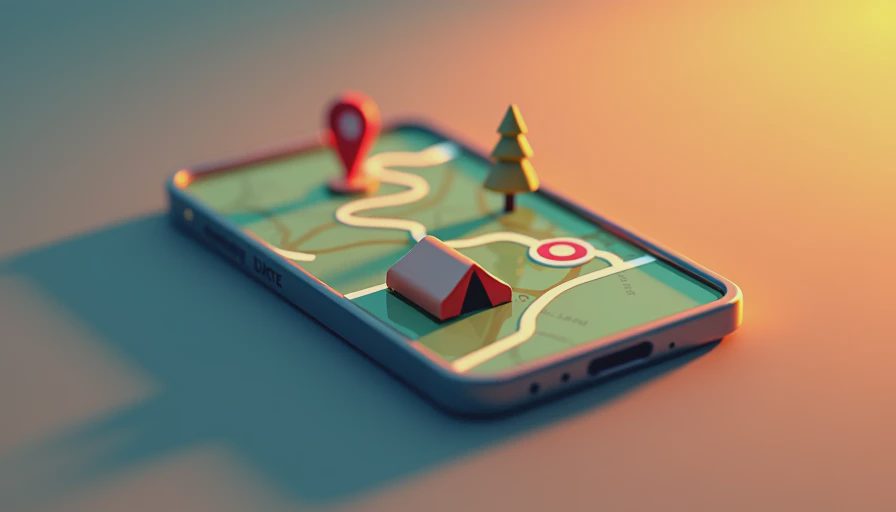
Map the final 20 miles separately. Navigation apps sometimes choose the fastest route rather than the easiest route, and a shortcut can lead to a locked gate, seasonal closure, or steep unpaved road. Save an offline map, download the campground directions, and write down the address or coordinates before leaving cell service.
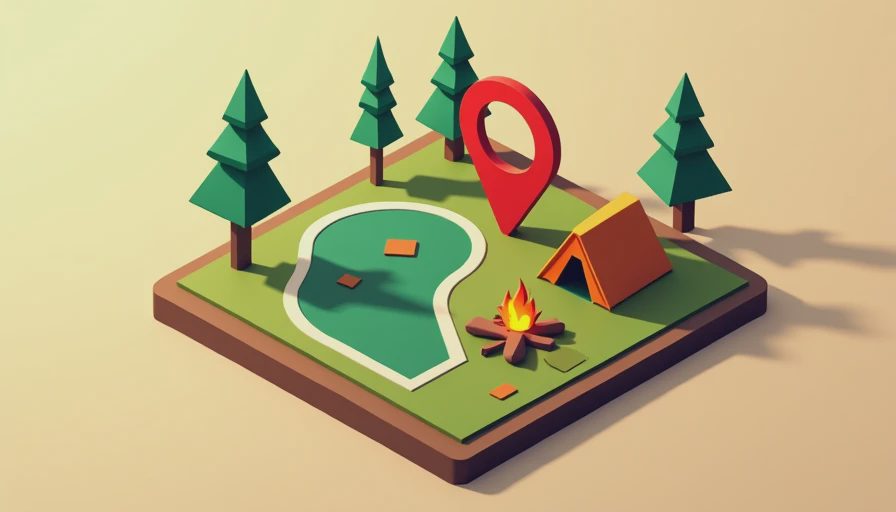
The detail that made the trip: choosing a campsite based on the drive, not just the view. A 2019 Subaru Outback, Toyota RAV4, Honda CR-V, or Ford Bronco Sport can be a comfortable partner for many established campgrounds, but capability is not permission to ignore conditions. Check tire pressure, inspect the tread, and leave extra space for braking on loose surfaces. Four-wheel drive helps with traction; it does not shorten stopping distance on wet gravel.
Make camping near me work with your vehicle
Pack by function rather than by item. Put the shelter, sleeping system, cooking kit, water, and clothing into separate soft-sided bins or duffels. That keeps a muddy rain fly away from a clean sleeping bag and makes unloading faster. A roof box can add useful capacity, but it also changes fuel economy, wind noise, and the vehicle's overall height. Measure before entering a garage or low-clearance parking area.
A small 12-volt tire inflator, tire plug kit, jump starter, headlamp, work gloves, and basic first-aid supplies deserve permanent space in the car. Add a paper map, extra drinking water, and a power bank. These are inexpensive safeguards that matter more than a second camp chair when the weather shifts or a battery runs low.
Before leaving, photograph the vehicle from all four corners and note existing scratches or dents. Confirm that your registration and insurance information are available offline. Auto insurance usually follows the vehicle and policy terms, not the campsite, while comprehensive coverage can address certain non-collision losses such as theft, vandalism, falling objects, or animal damage. Collision coverage addresses damage from a crash, including a single-vehicle incident. Coverage details and deductibles differ, so review them before a remote trip rather than after one.
Find a campsite that matches the weekend
Not every camping near me result suits the same traveler. A developed campground with picnic tables, potable water, and restrooms is a sensible first choice for a short getaway or a mixed group. Dispersed camping offers more solitude but typically requires greater self-sufficiency, careful waste practices, and a firm understanding of land rules. Private campgrounds can provide showers, electrical hookups, and easier reservations, though they may feel less secluded.
Think about the morning as carefully as the arrival. A site near a trailhead can let you walk before breakfast, while a lakefront location may reward an early paddle but bring wind and damp gear. If food is part of the itinerary, pack ingredients that tolerate a cooler and limited cooking space: eggs, tortillas, sturdy greens, sausages, apples, coffee, and a loaf of good bread. A roadside bakery or small-town diner can become the memorable meal on the way home, but do not build the plan around an unverified business being open.
When searching for camping near me, check reservation calendars and official land-management pages first. User reviews can reveal noise, shade, or road conditions, but rules and closures change. Verify fire restrictions, pet requirements, check-in times, and cancellation policies directly.
Build a safer, more comfortable overnight
Arrive with daylight whenever possible. Setting up a tent, locating the restroom, and organizing food are simple tasks until darkness, wind, or rain turns them into a scramble. Park facing the exit when practical, keep the driver's seat accessible, and avoid blocking neighboring sites or access roads. Never run a fuel-burning stove, lantern, heater, or generator inside a tent, vehicle cabin, or enclosed shelter because carbon monoxide can accumulate quickly.
Store food according to local rules, especially in areas with wildlife activity. Seal trash, wipe cooking surfaces, and keep scented toiletries contained. Bring layers rather than one heavy jacket: a base layer, fleece or sweater, rain shell, warm socks, and a hat cover more conditions with less bulk. A compact tarp can create a dry cooking area, but pitch it high enough to avoid trapping smoke or interfering with trees.
If you are traveling with children, older relatives, or a nervous first-time camper, shorten the distance between the car and the site. Comfort is not a compromise. A quiet campground with a flat parking area and nearby restroom may create a better memory than a remote location that demands a difficult hike with luggage.
Turn camping near me into a repeatable escape
After the trip, record what worked: the drive time, campsite number, road condition, water access, grocery options, and the amount of gear you actually used. I keep a note in my phone with dependable tent stakes, the best cooler arrangement, and meals that require one pan. That small record makes the next search faster and prevents buying duplicate equipment.
Use the same review for the car. Did the cargo area feel cramped? Did the tires handle the road confidently? Was the insurance information easy to access? A few minutes spent checking your policy, maintenance schedule, and roadside assistance options can make the next departure calmer. Roadside assistance is useful, but remote service can take longer than it does in town, so carry basic supplies anyway.
The best camping near me trip is not necessarily the most dramatic one. It is the weekend where the route feels manageable, the campsite matches your energy, dinner tastes better outdoors, and the drive home leaves enough time to stop for coffee. Search locally, prepare deliberately, and let the road provide the adventure instead of making the campsite solve every problem.