Spring in the U.S.: Wildflower Roads, Roaring Waterfalls, and the Calm Before Summer Crowds
The Draw
There’s a particular kind of spring morning that makes you want to start the engine just to see what’s around the next bend: damp earth warming up after a cool night, a hint of salt in the air if you’re near the coast, and that soft, forgiving light that makes even a highway rest stop feel cinematic. In the U.S., spring is when the country feels newly rinsed—milder weather, not-quite-peak crowds in many places, and (often) lower prices than summer.
Spring also changes dramatically depending on where you point the hood. In some places it’s cherry blossoms and garden color; in others it’s desert hiking before the heat arrives, or national parks at peak waterfall season. The source list that follows spans exactly that range: Texas Hill Country for bluebonnets, Washington, D.C. for cherry blossoms, desert days in Joshua Tree, shoulder-season beaches in Key West and Gulf Shores, and cities like New Orleans that feel made for spring.
If you’re choosing between March, April, and May, the simplest way to think about it is this: March favors the South and deserts, April is a sweet spot for wildflowers and waterfalls, and May warms up for beaches and blooming cities.
What to Expect
Spring travel in the U.S. is a study in contrasts—and that’s both the magic and the catch.
On the upside, you’re often getting the best version of a place:
- Desert landscapes like Joshua Tree National Park are in their comfort zone in March–April, when hiking weather is described in the source as “perfect.”
- Big-name parks like Yosemite National Park hit that April–May window when waterfalls are “roaring,” the classic payoff for spring runoff.
- Washington, D.C. briefly transforms into a city people daydream about, thanks to cherry blossom season—peak bloom usually happens in late March or early April.
- Beach towns can feel like a secret before summer: Key West is pegged for warm beach weather March–May, and Gulf Shores for shoulder-season beach April–May.
But spring comes with honest downsides you’ll feel quickly if you don’t plan around them:
- Weather volatility is the headline. The source is blunt: conditions can change quickly, and destinations like Yosemite “may still have snow at higher elevations into April or even May.” That matters for what you pack and how flexible your plans are.
- Short, intense peak moments can mean crowds even outside “peak season.” Think cherry blossoms: everyone wants the same week.
- You can’t generalize temperatures across the country. The source points out that Texas, Louisiana, and Florida often have warm temperatures by March, while mountain and national park destinations can still be wintry at elevation.
If you want spring at its best, treat your trip like a good road trip playlist: pick the vibe first (blooms, waterfalls, festivals, beaches), then match it to the month.
Insider Tips
These are the little moves—pulled directly from the source details—that help you get the version of spring most people miss.
Time D.C. around peak bloom (not just “spring”).
The source notes that peak cherry blossom bloom usually happens in late March or early April, and even gives a hard date range: in 2026, the Cherry Blossom Festival runs March 20 – April 12. The insider trick is being honest with yourself: if blossoms are the reason you’re going, plan around that late-March/early-April window rather than “sometime in April.”
Drive the Hill Country instead of “stopping” there.
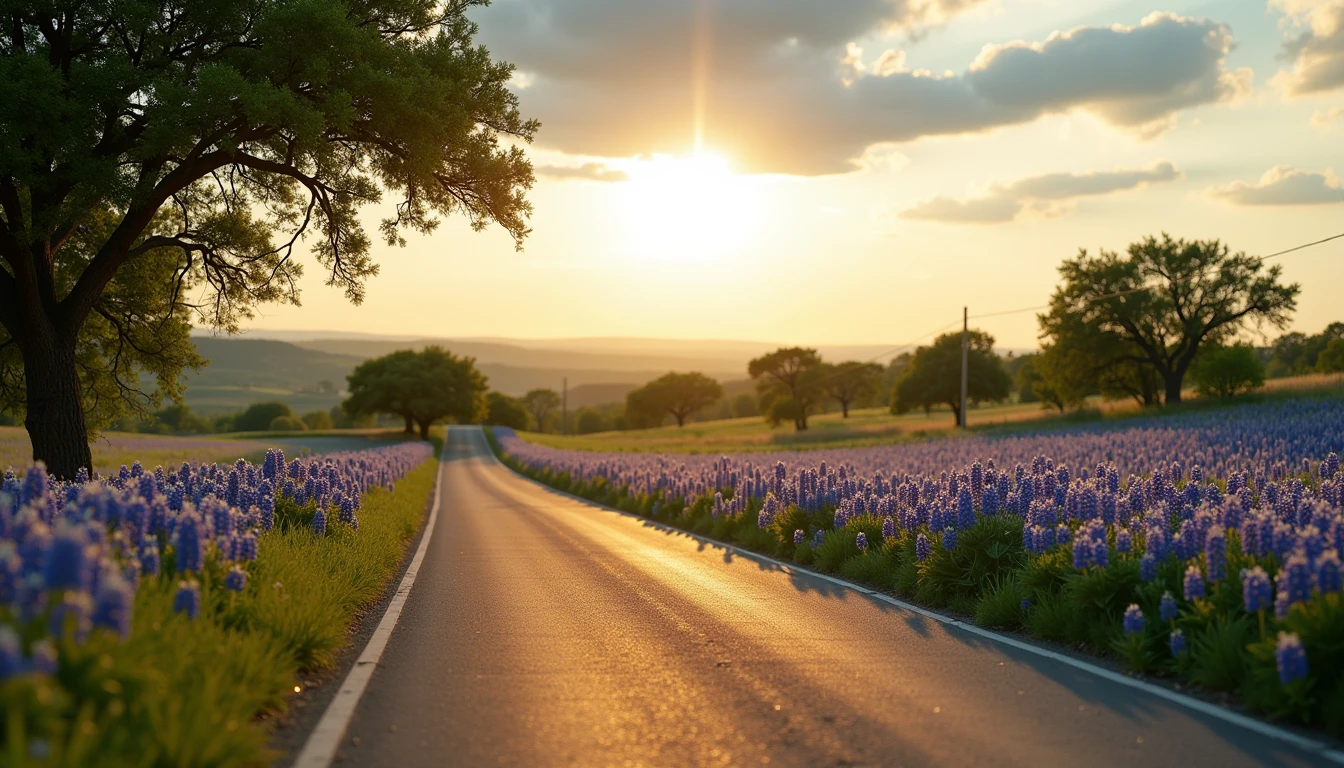
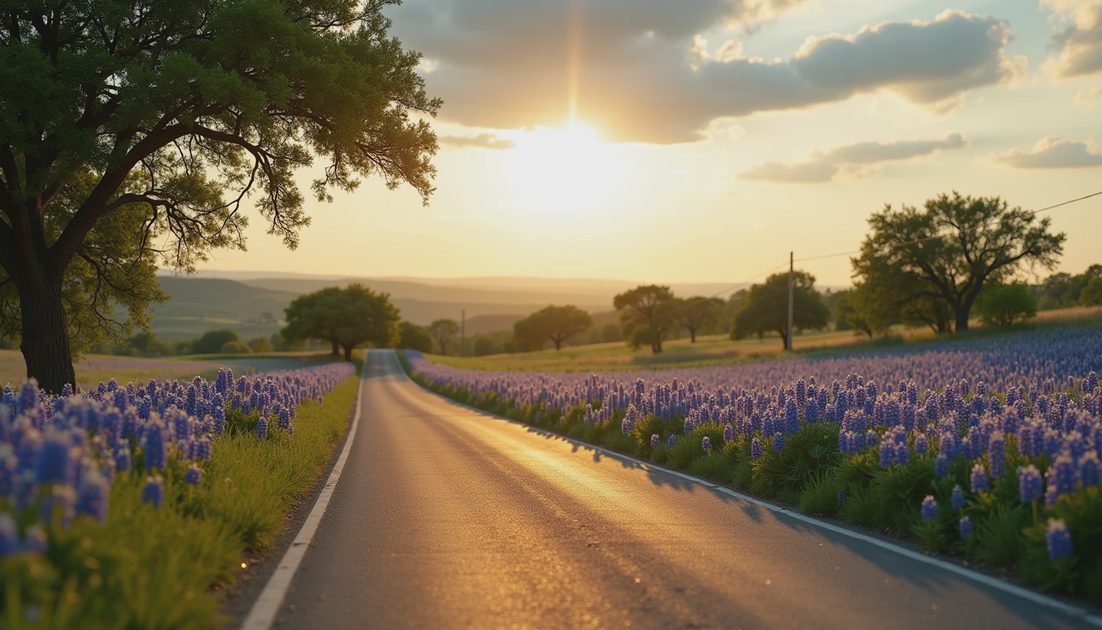
In Texas Hill Country, spring isn’t a single attraction—it’s the roadside. The source calls out wildflower season and says scenic drives around Fredericksburg are especially beautiful in this time of year. Don’t just book a room and look for one iconic field; build in time for the driving itself.
Use spring as your desert hiking season.
The source frames Joshua Tree National Park as the place for desert hiking March–April—in other words, go now or you’re dealing with summer conditions later. If the desert is on your list, spring is the practical window.
Chase waterfalls when they’re doing the most.
If you’ve ever stood in Yosemite when the water is thundering, you know it’s a different park than late summer trickles. The source highlights Yosemite National Park in April–May specifically for waterfalls, so if that’s your priority, this is your timing.
Plan for “mild” and “warm” to mean different things.
The source is clear that spring warmth arrives earlier in the South (Texas, Louisiana, Florida by March) while higher elevations can stay snowy into April or May. The insider move is packing for variance—and checking forecasts right before you go, because spring can pivot fast.
Before You Go
When to go (by month, straight from the source):
- March: Southern destinations and deserts before summer heat—Joshua Tree National Park, New Orleans, and (noted generally) cherry blossoms timing.
- April: A prime month for Texas Hill Country (peak bluebonnet season), Yosemite National Park (roaring waterfalls), and San Diego (mild coastal weather).
- May: Warmer temps and shoulder-season coast—Charleston (blooming gardens), Key West (warm beach weather), Gulf Shores (shoulder-season beaches).
How long to spend (practical guidance based on the source’s variety):
Because the source spans cities, national parks, and beaches, plan a long weekend for a single city or beach base, and more time if you’re adding national park hiking or scenic drives—especially for places like Texas Hill Country where the driving is part of the point.
Getting around:
The source specifically highlights scenic drives around Fredericksburg in Texas Hill Country, which implies a trip where having a car matters. For the other destinations listed, the best approach depends on whether you’re prioritizing hiking (national parks) or staying put (beach/city).
Costs:
The source notes that prices are often lower than in summer and that spring is not quite peak tourist season for most places—but it does not provide specific price ranges. Expect spring to be your chance to travel a bit smarter, but still budget for spikes during highly concentrated peak events like cherry blossom season.
Weather risks:
Spring is changeable. The source explicitly recommends checking local forecasts before your trip because conditions can shift quickly, and flags that places like Yosemite may keep snow at higher elevations into April or May.