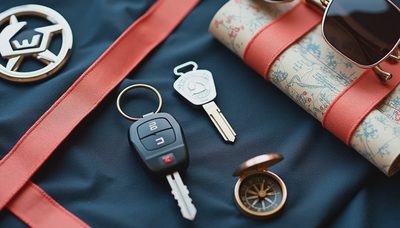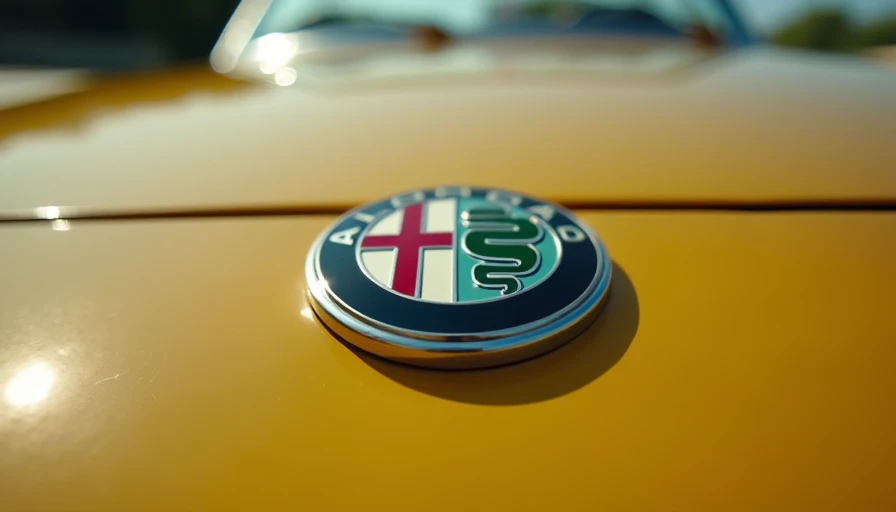
You unlock the door of the Alfa Romeo Spider and the first thing you notice is the smell—old leather, warm engine oil, and a faint trace of Italian dust. The top goes down with a manual latch that feels like it hasn't changed since the 1960s, and suddenly the world is a different place. That's the magic of this car: it invites you to slow down, to take the long way, to drive with purpose. Whether you're a collector or a first-time buyer, the Alfa Romeo Spider offers an experience that no modern convertible can replicate.
A Brief History of the Alfa Romeo Spider
The Alfa Romeo Spider, produced from 1966 to 1993, is one of the longest-running single-platform convertibles in automotive history. Designed by Pininfarina, its simple, elegant lines became an icon. The Duetto (as the early models were called) gained fame in the 1967 film *The Graduate*, and the model evolved through four series—from the round-tail to the more angular rubber-bumper versions of the late '70s and '80s. What remained constant was the recipe: a twin-cam four-cylinder engine, rear-wheel drive, and a driving experience focused on engagement over raw speed. For anyone dreaming of an affordable Italian sports car, the Alfa Romeo Spider is a natural starting point.
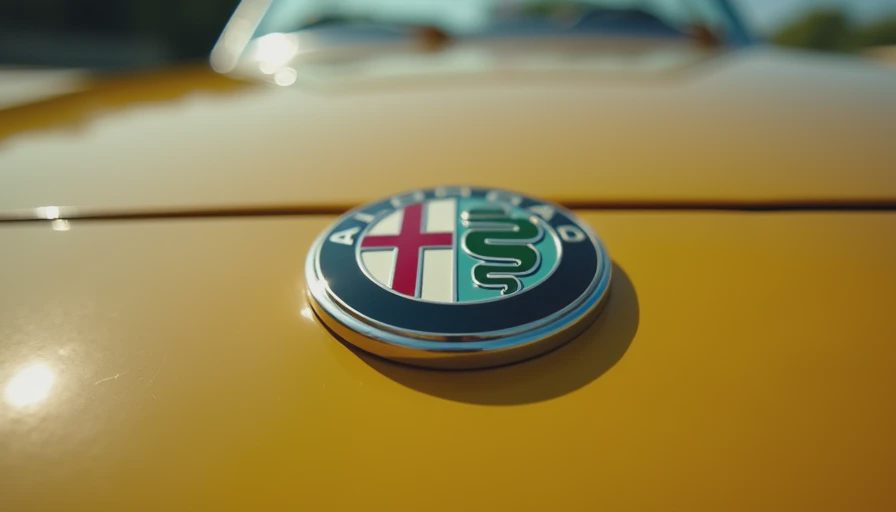
What It's Like to Drive an Alfa Romeo Spider
Slide into the low-slung bucket seat, and the steering wheel falls perfectly to hand. The shifter is notchy but direct, the clutch pedal heavier than any modern car's. Fire up the 2.0-liter engine, and it idles with a lumpy, mechanical beat. Open the throttle, and the sound is unmistakable—a dual-Weber-carbureted growl that rises into a crisp, urgent wail. This is not a fast car by today's standards (about 120 horsepower), but it feels fast because you're always working the engine. Every bend becomes a choreography of rev-match downshifts and steering inputs. The Alfa Romeo Spider rewards skilled driving with a connection that's lost in most modern sports cars.
Is the Alfa Romeo Spider a Good Road Trip Car?
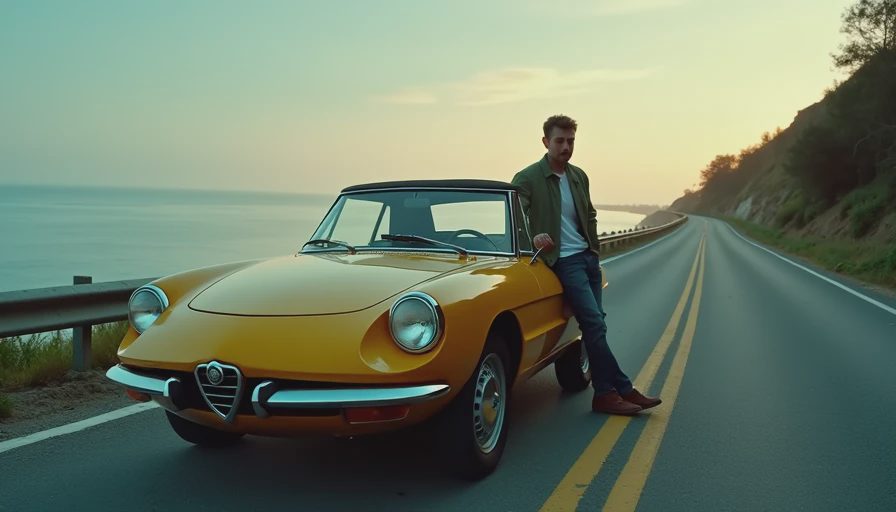
From my experience, the Alfa Romeo Spider is both a wonderful and a challenging road trip companion. The trunk is small—a weekend bag for two, and that's about it. The cockpit is intimate, and the heater is barely adequate. But on a sunny California day, carving through the coastal curves of Highway 1 with the top down, there's no car I'd rather be in. The wind in your hair, the exhaust note echoing off the cliffs, the glances from other drivers who recognize what you're driving—it's a sensory experience that no German convertible can match. The key is to plan your stops: seek out small-town diners and scenic overlooks. The car itself becomes part of the destination.
Owning an Alfa Romeo Spider: What to Expect
Let's be honest: an Italian car from the '70s or '80s requires patience. The Alfa Romeo Spider has a reputation for electrical gremlins, finicky carburetors, and oil leaks. But the aftermarket support is surprisingly strong. You can find parts online, and specialized mechanics exist in every major US city. A well-maintained example will start every morning and take you on a 500-mile weekend without drama. The key is to buy the best one you can afford—rust and accident damage are the real enemies. Plan an annual budget of roughly $1,500 to $2,500 for upkeep, and you'll be rewarded with a smile every time you turn the key.
Why the Alfa Romeo Spider Still Matters
In an era of digital dashboards and driver-assist systems, the Alfa Romeo Spider is a reminder of why we fell in love with cars in the first place. It's not about lap times or 0-60 numbers; it's about the joy of driving. The Spider invites you to take the scenic route, to stop at that roadside stand, to arrive with a grin instead of a frown. Whether you're a lifelong enthusiast or someone who just wants to experience an Italian roadster, the Alfa Romeo Spider delivers an authenticity that few cars can claim.
Insurance Tips for Owners of Italian Classic Convertibles
Insuring a vintage Italian roadster like the Spider requires a different approach than your daily driver. Most standard auto policies undervalue classics and lack provisions for agreed-value coverage. Without an agreed-value policy, a total loss could leave you with a payout based on depreciated market value—far less than what you paid or what it would cost to replace. Specialty insurers like Hagerty, Grundy, and Heacock offer policies tailored to classic cars. They typically require limited annual mileage (2,500–5,000 miles) and secure storage, but in return, premiums often run $300–$800 per year. That's a fraction of what you'd pay for a modern sports car. Also, check whether your policy covers parts and specialized labor. Many classic-car policies include roadside assistance designed for older vehicles. Before you take your Spider on that cross-country trip, make sure your coverage includes towing to a mechanic who knows carburetors, not just a dealership that stocks only new cars. Finally, document your car's condition with photos and appraisals—this speeds up claims and proves value.
Final Thoughts
If you're considering an Alfa Romeo Spider, don't overthink it. Find a solid example, get a pre-purchase inspection, and prepare for a relationship—not a transaction. This car will ask for your time and attention, but it will give back memories that outlast any modern lease. Skip the obvious thing—buy a practical car for daily driving. For weekends and winding roads, choose the Spider. A year later, what I still think about is the smell of that old leather and the sound of the engine at 5,000 rpm.