The first thing you notice leaving the Denver area is how quickly the air changes. Suburbs thin out, the road begins to tilt upward, and suddenly the horizon looks less like a skyline and more like a promise. If you're wondering **is the drive from Denver to Estes Park scary**, the short answer is: for most drivers, not really. It can feel intense in a few stretches, especially if mountain roads make you tense, but this is not some white-knuckle cliffside ordeal. It's a popular, very manageable drive when conditions are good and you take it at a sensible pace.
Here's what you smell first, what you notice second, and what you'll remember a year from now: pine in the air, the light changing as elevation builds, and that first moment when Estes Park starts to appear like a postcard someone forgot to exaggerate.
The short answer: scary for some, comfortable for most
Whether **the drive from Denver to Estes Park is scary** depends less on the route itself and more on your comfort with curves, elevation, and narrow-feeling mountain lanes. Many drivers do this trip in ordinary crossovers, sedans, and rental cars every day. In dry weather, during daylight, the road is typically straightforward. You are not navigating an off-road pass or a remote backcountry route. You are taking a well-traveled highway into one of Colorado's best-known mountain towns.
What can make it feel stressful? A few things: tight turns in parts of US-36, steeper drop-offs than flatland drivers are used to, cyclists sharing sections of the road, and weekend traffic that bunches up behind slower cars. If you already dislike heights, you may grip the wheel harder than usual. If you are calm on winding roads, you may simply find it scenic.
The detail that made the trip: this drive asks for attention, not bravery. That's an important difference.
What the road is actually like from Denver to Estes Park
Most drivers head northwest from Denver through Boulder or nearby connecting roads, then pick up US-36 toward Lyons and Estes Park. The early part feels ordinary enough: multilane roads, suburban traffic, stoplights, coffee runs. The mood changes after Lyons, where the route starts to become more canyon-like and the turns come more regularly.
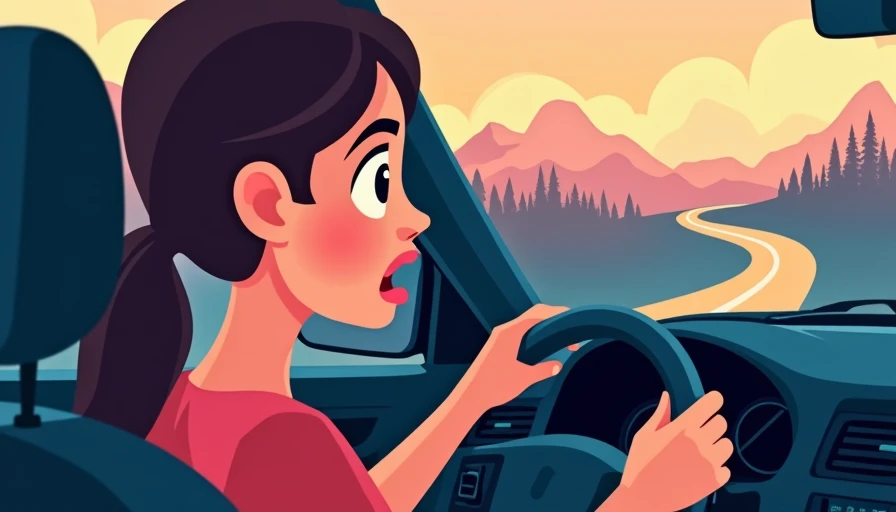
This is the section people usually mean when they ask **is the drive from Denver to Estes Park scary**. You'll see curves, rock walls, and some stretches where the road edge draws your eye more than you'd like. But the pavement is maintained, the route is clearly marked, and the drive does not require advanced mountain skills in normal conditions. It is more “stay alert and slow down” than “I should have turned around.”
If you drive an SUV like a Subaru Outback, Toyota RAV4, or Honda CR-V, you'll likely feel planted and comfortable. A midsize sedan does just fine too. What matters more than vehicle type is visibility, brakes in good shape, and your willingness to let faster drivers pass when safe. Skip the obvious thing, which is trying to keep up with locals. Do this instead: drive your own pace and treat the pull-offs as part of the trip.
When the drive feels hardest
Weather changes the answer more than the road does. In clear summer or early fall conditions, most people will not find the drive truly scary. In winter, snow and ice can make any mountain route more serious. Even a familiar highway can feel very different when shoulders disappear under snowpack or shaded curves stay slick longer than you expect.
Another factor is timing. If you leave Denver late on a Friday or head back Sunday afternoon, traffic can raise the stress level. Not because the road becomes dangerous on its own, but because tailgating, impatient passing, and stop-and-go movement on curves make nervous drivers more tense. Dawn or mid-morning on a weekday tends to feel calmer.
If you're especially uneasy, avoid driving after dark on your first trip. Headlights flatten depth, wildlife becomes a bigger concern, and every curve can feel sharper than it really is. A year later, what I still think about is how much easier mountain drives feel when I can actually see the landscape instead of guessing at it.
How to make the drive feel much easier
If you're still asking **is the drive from Denver to Estes Park scary**, the best answer may be that preparation removes most of the fear. Start with the simple stuff: check the forecast, fill up before the mountain stretch, and use a route app to watch for delays. Give yourself extra time so you never feel rushed.
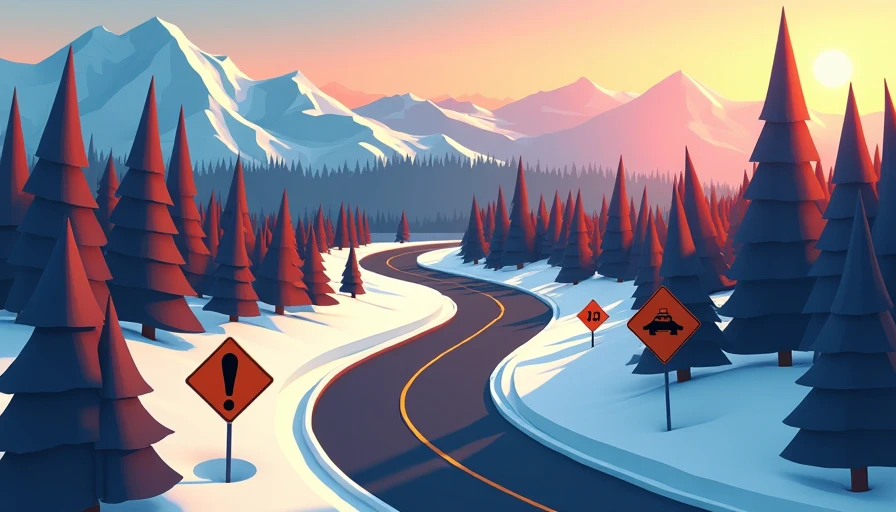
Then focus on driving habits that matter in the mountains. Brake before curves, not through them. Leave more following distance than you would in city traffic. Use lower gears if you're descending and your vehicle allows it, so you are not riding the brakes all the way down. If someone is stacked up behind you, use a safe turnout and let them go. Your trip gets better the second you stop taking that personally.
For anxious passengers, the front seat usually helps. So does planning one stop in Lyons or another town along the way for coffee, water, or a quick reset. Even ten minutes out of the car can make the second half feel dramatically easier.
Is it safe for first-time mountain drivers?
Yes, generally, if conditions are reasonable and you respect the road. I would not call this the ideal first-ever mountain drive during a snowstorm, but on a dry day, it is a fair introduction to Colorado driving. The route teaches you the basics without throwing you into something extreme.
That said, honesty matters here. If a driver panics on curves, hates exposure, or has very limited driving experience, the trip can feel bigger than it looks on a map. In that case, consider going with a more confident driver, choosing a bright midday window, or even using a shuttle or tour option if the goal is simply to enjoy Rocky Mountain National Park without the mental load.
For everyone else, this drive is less about fear and more about pacing. The road rewards patience. It also rewards a little humility. Mountain routes do not care if you're in a Jeep Grand Cherokee, a Ford Explorer, or a rental Nissan Altima. Smooth inputs beat swagger every time.
Final verdict: should you worry?
So, **is the drive from Denver to Estes Park scary**? Usually, no. It is scenic, occasionally narrow, and more winding than many visitors expect, but for most drivers it is completely doable. Think of it as a drive that deserves your attention, not your dread.
If you choose good weather, drive in daylight, and let the road set the pace, you'll likely arrive feeling relieved for about five minutes and then wonder why you worried so much. And once you're there, with the mountains opening up around Estes Park, the question tends to disappear anyway. What takes its place is the better one: how long can you stay?