I still remember the first time I heard a Ford Model A start up. It was a crisp Saturday morning in Sonoma, and a friend had just finished a full restoration. The engine sputtered, caught, and then settled into a steady, rhythmic thrum that felt more alive than any modern car. That sound, paired with the smell of fresh oil and old cloth upholstery, hooked me instantly. The Ford Model A isn't just a piece of automotive history—it's a car that still has a heartbeat.
Built between 1927 and 1931, the Ford Model A replaced the legendary Model T and marked a huge step forward in design, comfort, and power. With over 4.8 million units produced, it became the car that defined an era. But today, the Ford Model A is more than a museum piece. It's a project, a passion, and for some, a daily driver on warm-weather days. Whether you're considering a purchase or just curious about this classic, here's everything you need to know.
A Brief History of the Ford Model A
The Ford Model A debuted in December 1927 as a complete departure from the Model T. Henry Ford and his team designed a car that was safer, more comfortable, and more stylish. It came with a 3.3-liter four-cylinder engine that produced 40 horsepower—enough to reach a top speed of around 65 mph. That might not sound like much today, but in 1928, it was a revelation.
The Model A was available in a wide range of body styles: coupes, sedans, roadsters, pickups, and even a woody wagon. Prices started at around $385 for the basic roadster and went up to $650 for the top-of-the-line Town Sedan. That's roughly $6,000 to $10,000 in today's dollars—a bargain compared to many modern cars.
Production ended in March 1932, when the Ford V8 took over. But during those four years, the Ford Model A became a cultural icon. It was the car families took on Sunday drives, the vehicle that helped farmers haul goods, and the machine that taught a generation how to drive stick. Its legacy is still alive in clubs, shows, and restoration shops across the country.
Restoring a Ford Model A: What to Know
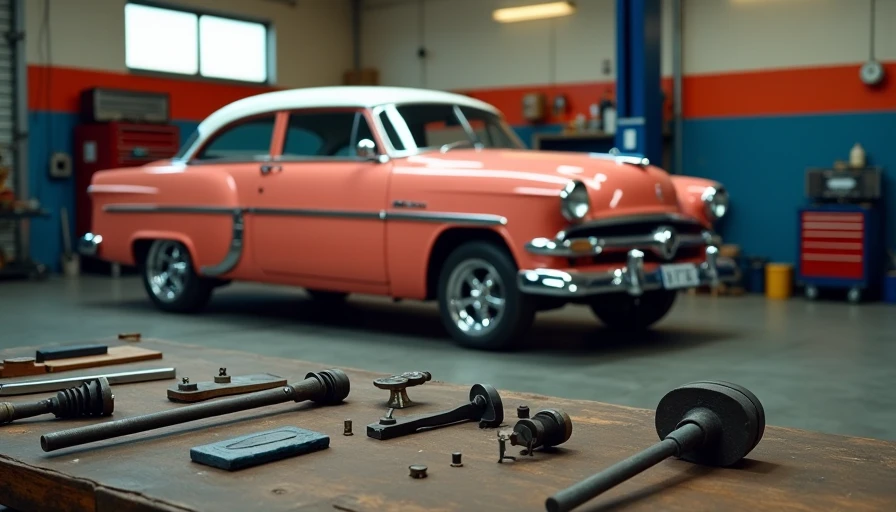
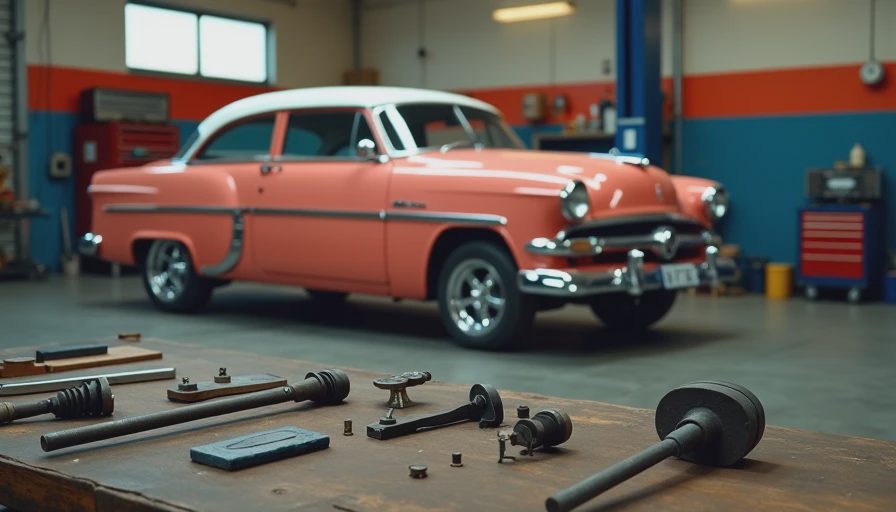
If you're thinking about restoring a Ford Model A, you're in for a rewarding—and sometimes challenging—process. First, find a solid starting point. Look for a car with minimal rust, especially in the frame and body panels. Complete cars are better than piles of parts, but even a basket case can be brought back with patience.
Parts availability is surprisingly good. Specialists like Snyder's Antique Auto Parts and Brattons Antique Auto Parts stock almost everything you need—from engine internals to upholstery kits. Expect to spend anywhere from $15,000 to $30,000 for a full professional restoration, but if you do most of the work yourself, you can keep costs around $8,000 to $12,000.
One key difference: the Model A uses mechanical brakes, not hydraulic. They require regular adjustment and a light foot. Also, the electrical system is 6-volt positive ground, which can confuse modern mechanics. But these quirks are part of the charm. Once everything is dialed in, the Ford Model A is surprisingly reliable.

Behind the Wheel: Driving a Ford Model A Today
Climbing into a Ford Model A is like stepping into a time machine. The seating position is upright, the steering wheel is big and thin, and the pedals are spaced differently than a modern car. The clutch is stiff, the gearbox is unsynchronized for first and reverse, and you'll need to double-clutch if you want a smooth shift. That might sound intimidating, but it becomes second nature after a few miles.
Acceleration is leisurely—0 to 60 mph takes about 25 seconds—but the sensation of speed is much greater because of the wind and noise. Top speed is around 60-65 mph, so highway driving is possible but not recommended for long stretches. A better use is back roads. The Model A handles well for its era, with a rigid frame and that low-revving four-cylinder pulling you up hills with a steady grunt.
What you'll remember a year from now is the engagement. Every drive requires your full attention. You shift, steer, and listen to the engine with an intensity that modern cars rarely demand. And when you park it, people stop and ask questions. The Ford Model A has a way of connecting strangers—a reminder that cars are more than transportation.
Is a Ford Model A Right for You?
The Ford Model A isn't for everyone. If you need a daily driver that's comfortable and efficient, look elsewhere. But if you're drawn to the idea of owning a piece of history, a car that teaches you mechanical empathy and rewards your effort with pure, open-air driving, then start hunting. Prices have climbed in recent years—a decent driver can cost $15,000, while a show-quality example can hit $30,000 or more. But the experience is priceless.
Whether you restore one, join a club, or just attend a car show to see them lined up, the Ford Model A deserves your attention. It's the car that proved Henry Ford could build more than just the Model T—and that some classics stay alive forever.