You smell it before you see it—old gasoline, warm leather, and a faint hint of exhaust that somehow smells like freedom. The 1969 Mustang isn't just a car; it's a time machine. I first encountered one at a small gathering in Monterey, and a year later, that moment still lingers. Here's why this particular year, more than any other, still captivates anyone who loves cars—and why you might want to start your own search.
A Design That Defined an Era
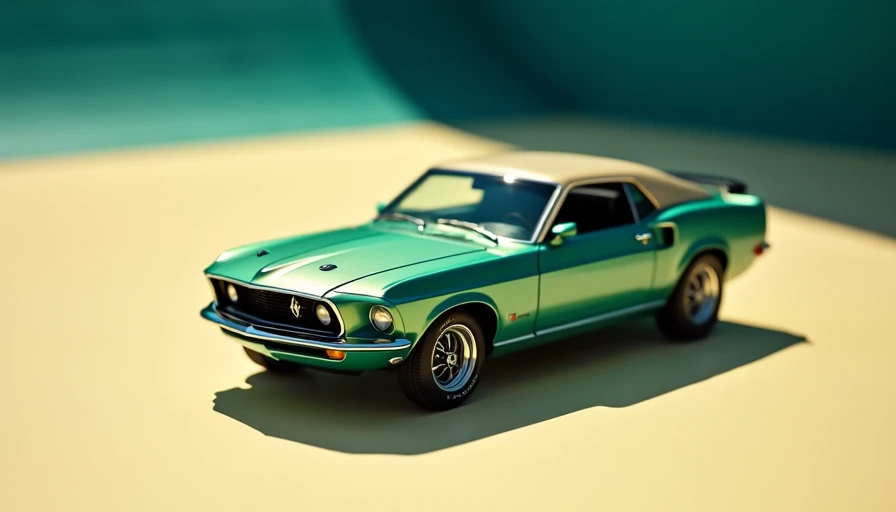
The 1969 Mustang hit showrooms during a golden age of American automotive styling. Ford's designers stretched the body longer and wider than previous years, giving it a more aggressive stance. The quad headlights, the sculpted flanks, the optional Boss 429's functional hood scoop—every detail was purposeful. It was bold, athletic, and unmistakably American. Even today, parked next to modern vehicles, the 1969 Mustang commands attention. Its proportions are perfect: long hood, short deck, and that iconic galloping pony on the grille.
Under the Hood: Performance That Still Turns Heads
Underneath that sheet metal, the 1969 Mustang offered a range of engines, from the economical 200-cubic-inch straight-six to the legendary 428 Cobra Jet. The Mach 1 trim, with its 351 or 428 cubic-inch V8, delivered the kind of raw torque that pins you to the seat. I spent an afternoon behind the wheel of a 428 CJ equipped with a four-speed manual. The clutch is heavy, the shifter notchy, but when you open the secondaries on the Holley carburetor, the sound alone justifies the obsession. Zero to sixty in the mid-six-second range doesn't sound impressive by today's standards, but the experience is visceral—the vibration through the steering wheel, the exhaust note bouncing off canyon walls.
Taking the Wheel: What It's Like to Drive a 1969 Mustang Today
Driving a 1969 Mustang is not like driving a modern car. There's no traction control, no power steering assist that makes you feel disconnected. The steering is heavy but communicative; you feel every groove in the pavement. The ride is firm, with leaf springs in the back that remind you this is a solid-axle car. Yet that's exactly the appeal. On a winding road, you work the car, and the car works you back. It demands respect and rewards skill. I took one along the Pacific Coast Highway near Big Sur, and the experience was unforgettable. The wind in the windows, the smell of salt air mixing with engine heat—it's the kind of drive that reminds you why you love cars.
Maintenance and Ownership: The Real Story
Let's be honest: owning a 1969 Mustang isn't a rational choice. Parts are widely available—thanks to a massive aftermarket—but rust is a constant enemy. Check the floor pans, the rear quarter panels, and the cowl for corrosion. Originality matters to collectors, but many enthusiasts prefer restomods with disc brakes, modern suspension, and fuel injection. Expect to spend $30,000 for a decent driver, and double that for a numbers-matching Mach 1 or Boss 302. But the cost of entry is worth it, if you value mechanical simplicity and a connection to an era when cars had character.
The Road Trip Connection: Where to Take Your 1969 Mustang
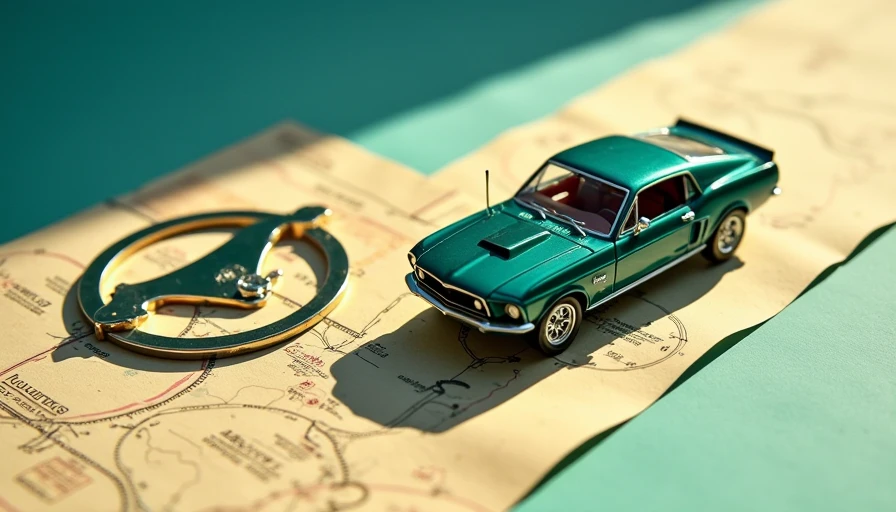
A car like this begs for a proper road trip. My recommendation: load up the trunk with a cooler, grab a friend, and head for the Blue Ridge Parkway in autumn. The colors, the curves, the sound of that V8 echoing through the valleys—it's pure magic. Or, if you're on the West Coast, Highway 1 from Carmel to San Luis Obispo offers ocean views that are even better with the windows down. And at the end of the day, there's nothing like pulling into a small-town diner, stepping out of a 1969 Mustang, and feeling like you've arrived somewhere special.
A Year Later, What I Still Think About
A year after that first drive, what stays with me isn't a spec sheet or a number. It's the moment I parked the 1969 Mustang at a roadside overlook, killed the engine, and listened to the ticks and pings as the metal cooled. The Pacific was stretching out to the horizon, and for a few minutes, everything felt right. That's the thing about a 1969 Mustang: it's not just a car—it's an experience that rewires your expectations. Skip the obvious modern sports car. Find a clean 1969 Mustang instead. You'll understand why the obsession never faded.
Frequently Asked Questions About the 1969 Mustang
**Q: How much does a 1969 Mustang cost today?**
A clean driver can range from $25,000 to $40,000, while a numbers-matching Mach 1 or Boss 302 can fetch $60,000 to $100,000 or more. A base coupe may start at $25,000, but rare Boss 429 examples have sold for over $200,000 at auction. Restored examples with original parts command the highest premiums.
**Q: Is this classic car reliable as a daily driver?**
With modern upgrades like electronic ignition, disc brakes, and better cooling, many owners use them regularly. However, expect more maintenance than a new car—oil leaks and electrical gremlins are part of the charm.
**Q: What should I look for when buying one?**
Focus on rust in the floor pans, cowl, and rear quarters. Check the VIN and door data plate for originality. A test drive should reveal transmission syncros and rear-end noise. Always get a pre-purchase inspection from a classic car specialist.
**Q: What are the best upgrades for performance?**
Popular upgrades include replacing the points ignition with a Pertronix kit, swapping drums for disc brakes front and rear, and installing a modern suspension system like a coilover kit from RideTech. These improvements make the car more drivable without losing its classic feel.