
The Volvo 240: Why This Box-Shaped Wagon Still Wins Road Trips
The first thing you notice isn't the boxy silhouette. It's the sound of a Volvo 240 door closing — solid, chunky, reassuring, like a bank vault built for a family of five. Open the engine bay and you'll find a layout that assumes you'll want to fix things yourself, with an inline four-cylinder that's been around long enough to have its quirks documented in every forum on the internet. For millions of drivers, this car was the one they learned to drive in, the one their parents refused to replace, and the one that somehow made it to the trailhead every single time.
Why the Volvo 240 Became a Cult Favorite
The Volvo 240 was introduced in 1974 and stayed in production until 1993. That kind of longevity tells you something about the design: it was honest, practical, and nearly impossible to kill. Over those two decades, Volvo built more than 2.8 million examples, and a remarkable number are still on American roads. The secret was a front-engine, rear-wheel-drive platform with a strong body shell, a low flat floor, and a wagon version that could swallow a washer-dryer or a family of four plus camping gear. The boxy shape wasn't a style statement; it was a packaging genius that gave owners visibility and cargo space.
What It's Like to Drive a Volvo 240 Today
Behind the wheel, the car feels like a pair of comfortable work boots. The ride is soft, the steering is light, and the seats are unusually supportive — the kind you can sit in for eight hours without squirming. It isn't quick. A 1984 example with the non-turbo engine could take roughly 12 seconds to reach 60 mph, but that doesn't hurt you on the highway. What matters is that it tracks straight, the cabin stays quiet at 75 mph, and you see the road better than you do from most modern crossovers. The aftermarket also supports the car well. Companies like IPD make upgraded sway bars, overdrive conversions, and modern stereo mounts, so you don't have to live with 1985 technology.

The Cost of Owning a Volvo 240
Prices have climbed lately. A decent running example can be found for $4,000 to $9,000 depending on rust and service history. Restored, low-mileage wagons often fetch $15,000 or more, and the desirable 242 GT coupe can go higher. Parts are still cheap and available, with basic maintenance items like alternators, brake pads, and suspension bushings priced reasonably. An independent mechanic familiar with old Volvos will charge you less than a dealer ever would, and many owners learn to do their own oil changes and valve adjustments. The main thing that kills this generation of Volvos is rust, not mechanical failure. If you buy one from California or the Southwest, you'll save yourself from the biggest expense an owner faces.
The Road Trip Connection
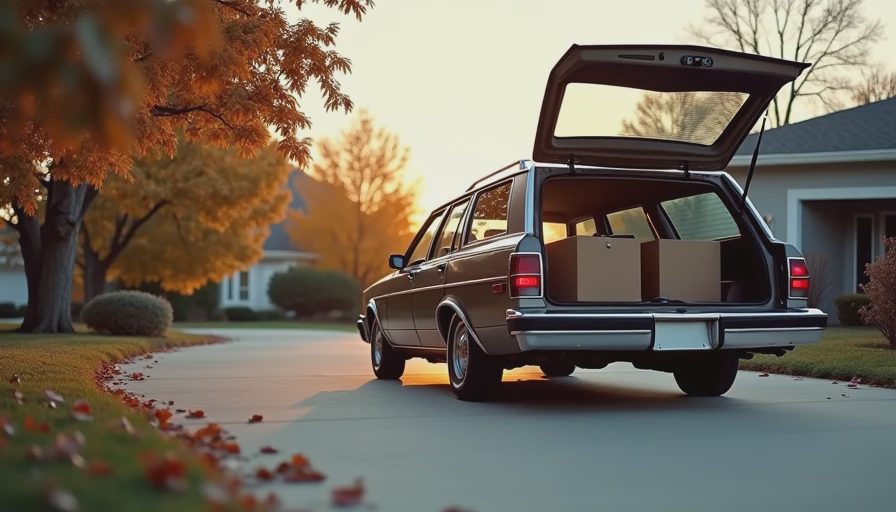
Here's what this boxy wagon still does that modern cars can't: it makes the journey feel like an event. The tailgate opens like a small loading dock, and the rear cargo area has a rubber mat you can hose off after a muddy hike. On a Pacific Coast Highway run, the 240's thin pillars and upright windows give you unimpeded views of the ocean. On a desert drive, the boxy shape resists crosswinds better than you'd expect. And when you stop for lunch at a diner in a small town, the car starts a conversation. People will walk over and tell you about the one they had in college, the car that carried them through four winters in Wisconsin or a summer job hauling tomato crates. That connection is something no app can replicate.
A year later, what I still think about is the way the gearbox shifts: notchy but precise, with a mechanical thunk that reminds you you're driving a machine. You don't so much drive it as operate it, and there's a satisfaction in that.
A Quick Checklist Before You Buy a Volvo 240
Before you hand over cash, go through the same checklist seasoned Volvo owners recommend. Check the floor pans front and back; rust here is a dealbreaker. Open the trunk and inspect the spare tire well, then look under the rear bumper. Bring a small magnet and test the lower quarter panels for filler. Start the engine cold and listen for a steady idle; a Volvo 240 should settle to around 800 rpm after a couple minutes. Drive it on the highway and feel for any vibration at 65 mph, which often points to a worn driveshaft center support bearing. Finally, verify the VIN matches across the dashboard, door tag, and title. None of these checks require a mechanic, but they'll save you from buying someone else's project.
Should You Buy a Volvo 240?
If you want a reliable daily driver for a long commute, there are better choices. But if you're looking for a weekend car that doubles as a road trip companion, a Volvo 240 is remarkably hard to beat. It's simple enough to wrench on yourself, cheap enough to insure as a classic, and sturdy enough to justify its reputation. Before you commit, check for rust on the floors, rear wheel arches, and the underside of the doors — those are the spots that rot first. Pay a pre-purchase inspection fee of around $150, and you'll know exactly what you're getting. Plan on budgeting $1,000 to $2,000 per year for maintenance and repairs, less if you do the work yourself. That's a bargain next to a modern SUV payment.