The Century-Long Drive Toward Fully Self-Driving Cars
There is a specific rhythm to the highway when the car is doing the work. You set the adaptive cruise control, feel the subtle modulation of the throttle as traffic ebbs and flows, and realize the machine is watching the road as intently as you are. It is a quiet confidence, built not overnight but over a century of steady evolution. According to the Alliance For Automotive Innovation, automakers have been inventing new technologies since they started building cars, evolving vehicle technologies over the last 100 years toward a future when cars will be fully self-driving.
We are not there yet, but the earliest forms of automated driving are here now. The conversation around autonomous vehicles often skips straight to the sci-fi vision of a steering-wheel-less lounge on wheels. But the real story is in the incremental steps happening on the asphalt today. Current vehicle automation is already bringing safety benefits through systems like dynamic brake support and automatic emergency braking. These are not concepts; they are features monitoring surroundings and responding automatically to roadway situations that present safety risks.
The Sensors Behind the Safety
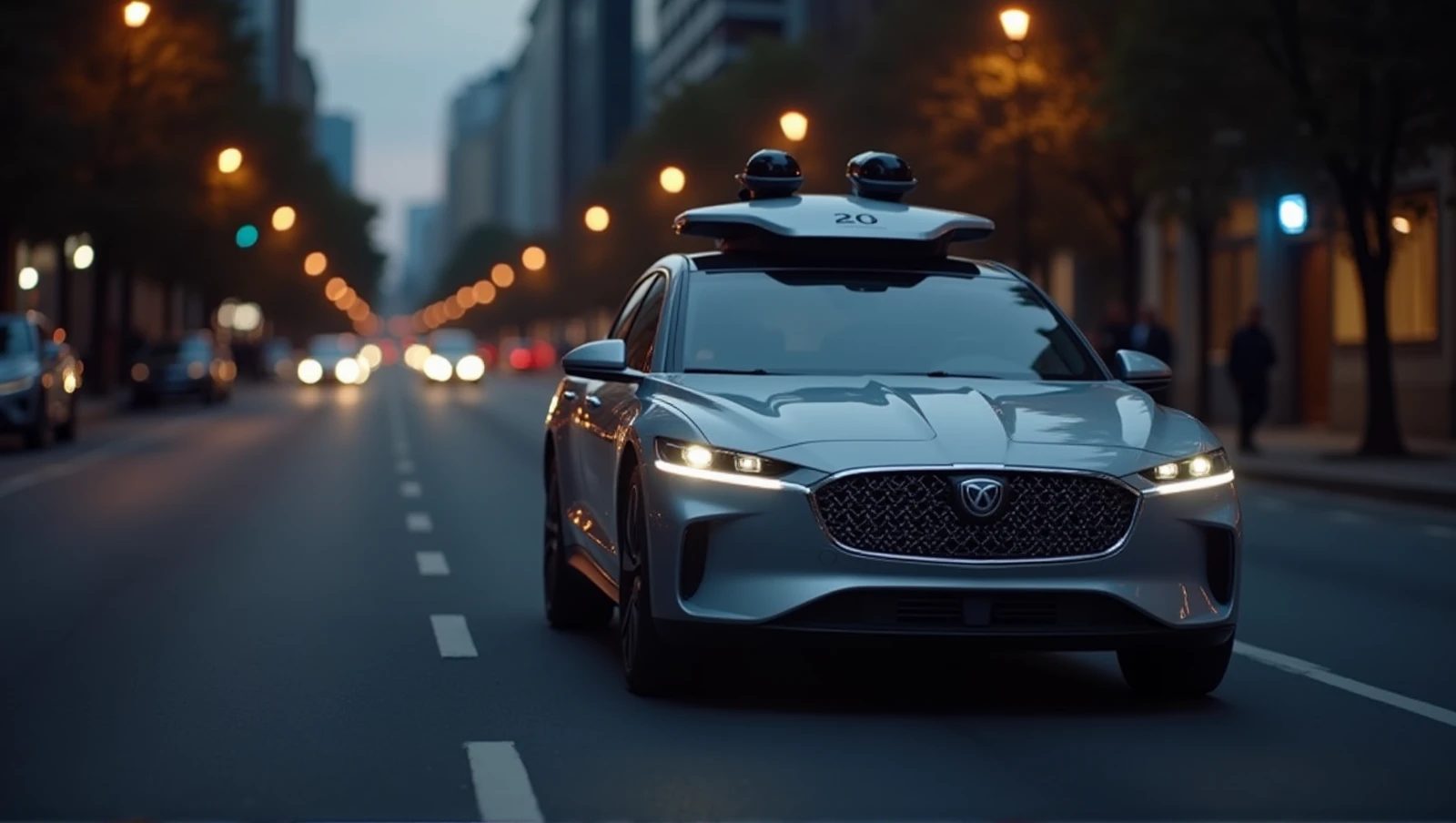
The magic isn't in the marketing; it is in the hardware. Today's motor vehicles are increasingly capable of interpreting data from the environment thanks to driving automation technology that uses sensors like cameras, radar and LiDAR. This triad of sensory input allows the vehicle to build a digital map of the physical world in real-time.
For the enthusiast, this is where the engineering gets interesting. It is one thing to build a chassis that handles well; it is another to build a system that perceives danger before the driver does. Technological advancements continue and many companies are developing vehicles with higher levels of driving automation. The industry is steadily moving from systems that assist the driver to systems that can potentially replace the driver's input in specific contexts. This shift relies entirely on the fidelity of those sensors—cameras reading lane markers, radar measuring relative speed, and LiDAR mapping depth.
The promise here is twofold. First, automated vehicles hold promise to improve road safety. By removing the variability of human reaction time, the industry aims to reduce the frequency of collisions caused by error. Second, such systems may save consumers time and money. If the car can handle the commute, the value proposition of the vehicle changes from a tool of labor to a space of productivity or rest.
Beyond the Roadway: The Urban Impact
While safety and convenience are the immediate selling points, the long-term implications extend into city planning. The Alliance notes that such systems may dramatically expand mobility and facilitate better land use in urban settings. This is the part of the conversation that often gets drowned out by horsepower figures and 0-60 times.
Consider the current footprint of the automobile. Cars sit parked 95 percent of the time, demanding vast swathes of urban real estate for storage. If autonomous technology facilitates better land use, it implies a future where vehicles are in motion more often, reducing the need for static parking infrastructure in dense centers. Expanded mobility also suggests access for those who cannot currently drive, turning the vehicle into a public utility as much as a private asset.
However, the path forward is layered. The industry provides resources for defining vehicle automation, understanding the benefits of AVs, and navigating the levels of automation. There are even automated vehicle FAQs available for those digging into the specifics. This educational layer is crucial because transformational change requires public trust.
We are standing in the middle of that transformation. The technology exists to monitor surroundings and respond automatically. The sensors are mounted. The software is iterating. The last 100 years were about mastering the mechanics of motion; the next chapter is about mastering the intelligence behind it. For now, the adaptive cruise control on your daily driver is the first step on a road that leads much further than the horizon.