Everything you need to know before your first visit to Mexico’s bustling capital city.
What surprises most first-time visitors is how wildly cosmopolitan and cool Mexico City is. There is indeed history in spades, from ancient temples to sculpture gardens on centuries-old university grounds, but there’s also a pulse of reinvention through new restaurants, parties, and art projects that keep the city forever fresh. You could spend a month there and barely nibble at its edges.
Mexico City is a world of a place with so many superlative and unique feats. It is North America’s largest metropolis with the region’s biggest urban park, for instance. It has influences from everywhere while being thoroughly rooted in Mexican traditions. The city’s azulejo-tiled buildings take me back to my travels in Europe, and the countless museums tickle my inner historian. As a boutique hotel lover, every mansion stay I spy in Roma makes me want to check in, and nothing pleases me more than charting a hunger-slaying course around its street food stalls.
Here’s my distilled guide to seeing the best of Mexico City—what to do, where to eat, the hotels worth checking into, and what to skip, so you can experience CDMX as I have: wholeheartedly.
A walking tour of Mexico City’s Centro Histórico is the ideal way to experience its history-rich streets with context you simply wouldn’t get on your own. Wanting to go deeper than the blurbs I’d read, on my first Mexico City trip, I booked a “free” tip-based tour via Freetour.com, and it was the perfect informative yet relaxed introduction.
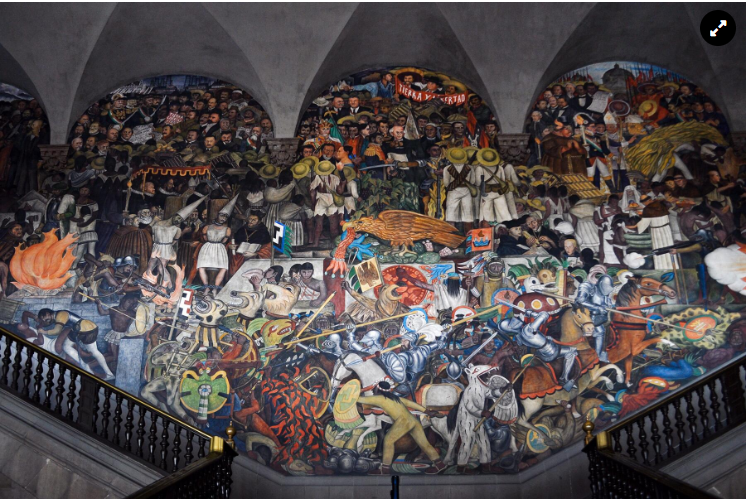
The tour typically winds through Zócalo, Latin America’s largest plaza (officially called Plaza de la Constitución), flanked by the Metropolitan Cathedral and the Templo Mayor archeological site. At Palacio Nacional, Diego Rivera’s mural The History of Mexico vividly charts the country’s past. We also visited the elegant Palacio Postal, an ornate post office-cum-museum, and marveled at the gorgeous inside and out Palacio de Bellas Artes, which is home to Diego Rivera and David Alfaro Siqueiros murals. You can, of course, visit these spots independently, but I personally love sightseeing with a bit of background.
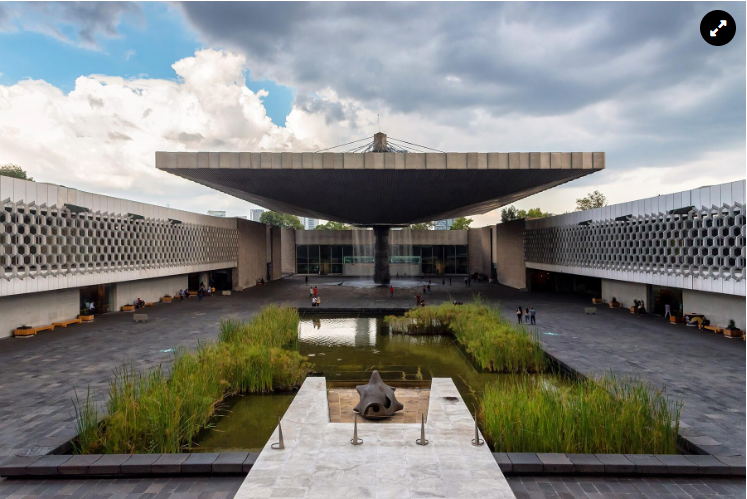
Mexico City is a cultural buffet with more than 150 museums, one of the highest concentrations in the world. At Museo Nacional de Antropología, peruse over 20 rooms holding some of the most important Mesoamerican artifacts ever unearthed. Historians should explore the León Trotsky Museum for insights into the exiled Russian revolutionary who was assassinated in Coyoacán by Spanish Stalinist Ramón Mercader, and contemporary art fans should head to Museo Jumex to see works by Andy Warhol and Damien Hirst, all for free.
You don’t need to break the bank to feed your passion for history and art, as many Mexico City museums offer complimentary entry or free days. Institutions like Palacio de Bellas Artes (Sundays) and Museo Dolores Olmedo (Tuesdays) let you wander in gratis on designated days. Always free of charge, the show-stopping Museo Soumaya, with its twisting façade, houses paintings by impressionist artists I am particularly fond of, such as Claude Monet and Edgar Degas.
Bosque de Chapultepec (Chapultepec Park) is Mexico City’s sprawling green lung. At roughly 1,700 acres, it’s one of the largest city parks in the Western Hemisphere, far surpassing the size of New York’s Central Park. I recommend you set aside an entire day if you want even a glimpse of what’s on offer, as the highlights alone could fill an itinerary. There is the hilltop Castillo de Chapultepec, once home to European royalty and Mexican presidents, serene lakes for boating, jogging tracks, and a family-frequented zoo with elephants, kangaroos, and jaguars, as well as several museums. This includes Museo Tamayo, Museo de Arte Moderno, Museo Nacional de Historia (at Chapultepec Castle), and Museo Nacional de Antropología.
If I could subsist entirely on tacos, I’d gladly do so, and Mexico City would happily oblige. It’s estimated that there are around 11,000 taco stands and shops there, ranging from family-run stalls with no signage to spots that don’t even appear on Google Maps. You simply can’t visit Mexico City and not indulge.
Any day of the week, one may find tacos made of cow head (Tacos de Cabeza Los Gueros in Centro), chile relleno at Taqueria La Hortaliza (by Chapultepec Park in La Condesa), tacos inspired by Southeast Asia (Cariñito in Roma Norte), or tenderloin-like gaonera tacos at Taquería El Califa de León. This stall created quite a buzz when it earned a Michelin star in 2024, elevating street tacos to haute cuisine status. Queues to get these award-winning goodies can be long, so try to be mindful of the neighboring businesses.
The possibilities are endless when it comes to imbibing in this metropolis. Rooftops like El Mayor, Balcón del Zócalo, Balmori, and Toledo Rooftop offer an escape from the city’s density, and the speakeasies are a thing of legend. Handshake Speakeasy was granted the esteemed title of The World’s Best Bar by 50 Best and serves up such wizardry as a cocktail with a flaming steel wool ball on top. The adornments at Cuahtémoc speakeasy Hanky Panky are similarly impressive. Drinks garnished with miniature hot dogs or oyster shells? Why not?
You can also find playful and polished cocktails at Las Brujas at Calle Rio de Janeiro 56. This is a women-run bar with drinks inspired by iconic ladies throughout history, depicted on the menu in comic book style. Whether you’re into craft beer (Fiebre de Malta), mezcal (Tlecān or El Palenquito), or a laid-back evening with vinyl spinning in the background (Café de Nadie), the city will keep your glass full.
Located about 40 minutes south of the center, Xochimilco is a living relic of the pre-Hispanic world. It is a maze of canals where the Aztecs once farmed on chinampas, or floating gardens. Today, it is a festive, colorful escape, where multi-hued trajineras (flat-bottomed boats) glide through the waterways. Each proudly bears a name like Sofia, Andrea, or Julieta at its arching bow. I found one named Rosamaria, which felt delightfully close enough to my own.
Xochimilco isn’t the tourist trap I feared on my first visit. Locals outnumbered visitors as they marked birthdays and anniversaries with music, food, and tequila. The trajineras have long tables for easy feasting, and vendors row right up to your boat selling everything from elote (corn), floral headbands, and cold beers. Essentially, a floating market comes to you. Don’t be shy to bring a speaker (we did) and maybe even end up in a dance-off with neighboring trajineras.
If there’s one place you need to book well in advance in Mexico City (along with the eternally in-demand Michelin-starred restaurant Pujol), it’s the Frida Kahlo Museum. Located in the leafy Coyoacán neighborhood, this house-turned-museum is where one of Mexico’s most iconic artists was born, lived, created, and died. It is known as Casa Azul for its vivid cobalt blue walls, and it’s your chance to walk among her personal belongings, including her art, diaries, clothing, bed, and even the corsets she wore after the accident that marked her life and work. I missed out on visiting during my first trip due to poor planning, so don’t make my mistake and get your tickets ahead of time (it’s closed on Mondays).
A ticket to Casa Azul also grants entry to Museo Anahuacalli, Diego Rivera’s darkly majestic temple to pre-Hispanic art and totems, just a short drive away.
I regard wandering local markets as one of the most immediate and joyful ways to immerse yourself in the culture of a place, taking in the chatter, the colors, and the scents. Mexico City has hundreds of markets where thousands work, live, eat, and thrive on a daily basis.
Mercado Jamaica is the city’s principal flower market, where fragrant aisles burst with lilies, roses, ferns, and during Día de Muertos, vibrant marigolds destined for ofrendas. If you’re hunting for handcrafted treasures, head to Mercado de Artesanías La Ciudadela, where Oaxaca textiles, Chiapas ceramics, Guerrero silver, and colorful alebrijes (mythical figurines) line the aisles. For antique lovers, open-air La Lagunilla is your Sunday fix. For a more gourmet experience, Mercado Roma in hip Roma Norte is a sleek, three-story food hall where you can nibble tapas, sip Spanish wines, or grab vegan tacos and craft beers, and there is a rooftop.
On an unassuming street in Colonia Apliación Daniel Garza, the Luis Barragán House and Studio is a pilgrimage point for design devotees from around the world. This UNESCO World Heritage Site was once the home and workspace of Luis Barragán, the celebrated Mexican architect born in Guadalajara in 1902. From the street, the façade is modest and grey, giving little away. But step inside, and you’ll see choreographed colors: vivid pink, cobalt blue, and a banister-free bone China white staircase.
Paseo de la Reforma is Mexico City’s grandest avenue. Known simply as Reforma locally, this wide, elegant boulevard was originally constructed in the 19th century by Emperor Maximilian as a ceremonial route from his home at Castillo de Chapultepec to Palacio Nacional. It was called Paseo de la Emperatriz before being renamed to commemorate President Benito Juárez’s reforms.
Lined with modern skyscrapers, luxury hotels, and some of Mexico City’s most iconic landmarks—including the Angel of Independence, Diana the Huntress fountain, and a monument to Cuauhtémoc, the last Aztec emperor—Reforma is usually traffic-laden. But on Sundays, as part of the Muévete en Bici program, the avenue transforms. From 8 am to 2 pm, it closes to cars and opens exclusively to cyclists, walkers, runners, skaters, and skateboarders. Around 90,000 people take to the street to enjoy this liberating respite from the city’s congestion, and you can be one of them.
If you love churros, those long, golden sticks of fried dough dusted in cinnamon sugar, then Churerría El Moro is just what the doctor ordered. I find their outposts dotted around the city zen-like and near-clinical with their crisp white walls, tiled all over in white and blue. When you’re craving a sweet midnight snack, the 24-hour Centro Histórico branch is the perfect prescription.
Founded in 1935 by Francisco Iriarte, who brought the tradition from Spain, Churerría El Moro is something of an institution in Mexico City with 17 branches everywhere from Cuauhtémoc to the international airport (MEX). They cut their churros extra-long, and you get a choice of different accompanying hot chocolates, all made with pure Mexican cocoa. If you’re after something cool, grab a consuelo, their delightful churro ice cream sandwich, and wander to a nearby park.
Fun fact: Mexico City’s massive Day of the Dead parade only began in 2016, inspired by the James Bond film Spectre, which opened with a fictional version of such a parade. Now, every year, Paseo de la Reforma and Zócalo fill with flower-draped floats, stilt walkers dressed as skeletons, and crowds in the millions during El Gran Desfile del Día de los Muertos. Beyond the parade, you can stroll the historic center to admire alebrije sculptures or head to Xochimilco for a haunting boat ride performance of La Llorona (The Weeping Woman).
It all unfolds from late October through early November, peaking on November 1 and 2, but in reality, Mexico City kind of turns into a “Month of the Dead.” This sacred holiday honors deceased loved ones, with families building ofrendas (altars) at home adorned with candles, water, food, photos, sugar skulls, incense, and cempasúchil marigolds said to guide souls home.
Lucha Libre is a quintessentially Mexican masked wrestling spectacle that blends sport, theater, and tradition. If you’re keen to experience it for yourself, you’ve got two venues to choose from, Arena Coliseo and Arena México. Arena Coliseo opened first in 1943, offering a smaller, more old-school atmosphere near Tepito. Arena México is the city’s largest and most famous wrestling venue, seating up to 16,500 in Colonia Doctores.
You can get your Lucha Libre tickets on the official CMLL website or Ticketmaster, but I’d recommend booking a tour so that your transportation is covered and you’re with a guide who can help you navigate the experience comfortably. Wherever you’re seated, you’ll join families, superfans, and first-timers all cheering, booing, and laughing as masked luchadores somersault through acrobatic battles.
One of the great joys of having local friends in a city is that you discover activities you’d never stumble upon as a visitor alone. That’s exactly how I first ended up at Sunday Sunday, a one-day-a-week rooftop fiesta hidden atop Tabaqueros 16 in Mexico City’s Centro Histórico. The party begins on Sundays at 5 pm on the 7th-floor dance floor, with DJs spinning everything from house to dub and techno, and it wraps up at 1 am. There are homegrown DJs, and international names like Bonobo and Sofi Tukker have also performed. It’s a cashless venue (you’ll top up a card to pay for drinks), and advance tickets are recommended to guarantee entry, though a limited number are sometimes available at the door.
Biblioteca Vasconcelos can compete with the world’s most visually arresting libraries, like Porto’sLivraria Lello or Rio de Janeiro’sReal Gabinete Portugues Da Leitura. Its vast, cathedral-like interior is a geometric wonder with glass walkways and cantilevered bookshelves that create the sensation of hovering in midair—a thrilling experience for some, but potentially nerve-jangling for those with a fear of heights. Hanging dramatically in the central corridor is a reconstructed whale skeleton, adding to the surreal atmosphere.
Located in the Buenavista neighborhood near an uber-busy transport hub, this monumental space was designed by architect Alberto Kalach and opened in 2006 with a rocky start (it closed soon after for repairs). While it’s officially a national lending library with over 600,000 books, Biblioteca Vasconcelos is as much a lively social space as it is a scholarly one. You’ll find students hunched over laptops, families plucking books off the shelves, musicians and dancers practicing routines, and friends deep in conversation around communal tables.
I am a devoted worshipper at the altar of tacos, but limiting yourself to them would be a missed opportunity. The streets of Mexico City have so much more on offer if you’re willing to explore.
From dawn until dusk, vendors tempt passersby with elotes and esquites (corn salad in a cup), chicharrónes (crispy pork skin), stuffed-to-the-brim quesadillas, tostadas (crispy tortillas piled with toppings), tamales wrapped in corn husks, tortas (hearty sandwiches), and even Dorilocos, Nacho Cheese Doritos with unexpected toppings like peanuts, gummy bears, carrots, and lime. You’ll find sizzling tlayudas (Oaxacan pizza-like loaded tortillas), plump gorditas (stuffed thick corn masa pockets), camote carts (sweet potato and plantains with condensed milk), and chilaquiles dripping in chili sauce for breakfast. Adventurous eaters can snack on chapulines (crunchy grasshoppers) and even worms at cantinas downtown. The variety is simply staggering.
While I do speak Spanish fluently now, one of the first lessons I learned when I arrived in this part of the world was that even a clumsy attempt at Spanish can transform an encounter for the better. Locals appreciate the effort, and it opens doors, hearts, and sometimes kitchen cupboards. Not everyone in Mexico City speaks English, nor should they. Raising your voice when you aren’t understood doesn’t help either; it just makes things awkward. Pocketing a few polite Spanish phrases like “por favor” (please), “¿cuánto cuesta?” (how much is it), and “gracias” (thank you) can go a long way.
Having Mexican pesos on hand lets you say yes to whatever delicious, spontaneous opportunities cross your path. Street food carts, bustling markets, and beloved local eateries often operate on cash-only policies, so having cash is practical. The largest denomination is the 1000 peso bill, which probably isn’t what you should present when dealing with small-scale traders at markets and stalls.
To get your cash, skip airport exchange counters and withdraw pesos from ATMs once you arrive, ideally during daylight hours and from machines affiliated with banks. And when you are paying by card, always opt to pay in pesos to dodge sneaky dynamic currency conversion fees.
La Capital set the bar high as my very first introduction to Mexico City’s culinary scene. I thoroughly believe that every category is done exceptionally well, but even if just the starters made up the menu, it would still be impressive. On the appetizer front, there’s an Asian corner with tuna or salmon sashimi, shrimp tempura, and edamame, and a stellar selection of dishes originating from the state of Sonora, which is known for its beef production. The aguachiles and trio of Sonoran quesadillas are my go-tos. Artisanal beer lovers have nine to choose from, and the wine list travels from Mexico, the US, Argentina, and Chile to Spain and Australia, and there are plenty of boundary-pushing delights on the cocktail menu. La Capital is located on Avenida Nuevo León in La Condesa.
Madre Café is a destination restaurant in Mexico City and one of my favorite afternoon hangouts. Located on Calle Orizaba in Roma Norte, it is housed in a 1932-built stately mansion that has seen many lives, from a family residence to film archive offices.
Come any day besides Monday (when it’s closed) and you’ll find something worth savoring. Breakfast offers everything from red berry pancakes to eggs Benedict with gravlax, while lunch and dinner stretch from hearty arrachera tacos to portobello burgers and grilled salmon with Greek salad. Their inventive cocktail list keeps things interesting with mezcalitas infused with hibiscus or morita chile, lychee spritzes, and an eight-strong lineup of carajillos, like the white chocolate version, my standard order.
There are so many fantastic places to eat and drink in the area around Parque México. Azul Condesa, Caiman, Baltra Bar, Botánico, and Frëims are standout options, however, when I’m specifically in the mood for Argentinian, I go to Patagonia. There is indoor and outdoor seating at this steakhouse where you can feast on Leberwurst ravioli, lamb or beef mollejas (sweetbreads), and the kind of juicy empanadas that Buenos Aires locals would say you need to eat with “gambas abiertas” (legs open) to sidestep dripping. A dulce de leche ice-cream makes a delectable sweet treat.
Colmena Tonala is located right between two metro stops in Roma Sur, Chilpancingo, and Centro Médico. It is a solid, good-value base that doesn’t sacrifice comfort, with double rooms starting at around 62 USD per night. There’s complimentary filtered water, coffee, and tea available at any time, plus free laundry facilities, which is a handy perk for longer stays.
Housed in a restored 1905 French-style mansion, La Valise Mexico City is a design-forward hotel that has been charming visitors since 2014, and it joined the Small Luxury Hotels group in 2022. It has just eight rooms, and each has a story. The hotel has Mesoamerican-inspired art, king-sized beds draped in Egyptian cotton, and, in some suites, beds that glide onto private terraces for sleeping under the stars. Guests can relax in the “Piscinema,” an indoor pool where movies are projected on the wall, or book a massage in the petite spa. Beyond the hotel, curated experiences like mezcal tastings, hot air balloon rides over Teotihuacán, and guided architecture tours give you a richer taste of Mexico City.
For a stay at the 19-room Casa Polanco, you arrive through a wrought-iron gate draped in greenery before being greeted by a lobby with soaring arches, green marble floors, and velvet seating that sets the tone for the experience to come. Throughout the house, artworks by celebrated Mexican artists hang alongside sculptural objets d’art curated with the care of a collector’s eye, and there are cozy communal spaces like a library with an honor bar. Rooms have 600-thread-count sheets, Bang & Olufsen speakers, and marble bathrooms stocked with custom toiletries from the local luxury perfumer Xinú. Many have balconies, and some (like the Lincoln Suite) have terraces large enough for an alfresco morning stretch.
Casa Polanco is right across from leafy Parque Lincoln and a stone’s throw from the luxury boutiques of Polanco, a neighborhood some call the Beverly Hills of Mexico City.
Public transport is extensive and efficient, Ecobici bikes are dotted around the city for two-wheeled exploration, and ride-hailing apps like Uber and Didi make it simple to reach far-flung corners safely.
But as you zip through neighborhoods like Roma and Condesa, it’s important to recognize the city’s gentrification challenges. Mexico City has joined a host of tourism capitals around the world protesting the impact that foreigners are having on the city, particularly regarding soaring rents.
Also, don’t forget that Mexico City is earthquake-prone. The city bears scars from devastating quakes in 1985 and 2017, and locals know the drill, quite literally. Pay attention to evacuation routes and sirens, but don’t let it dampen your enthusiasm.