There is a particular kind of road-trip anxiety that begins with a sound: a sudden growl under the hood, a metallic rattle at a stoplight, or an exhaust note that makes your normally quiet Subaru sound like a different car. If you are asking, why is my car running loud, do not turn up the podcast and hope it disappears. The sound is useful information. Its timing, pitch, and location can help separate a minor loose panel from a problem that could leave you on the shoulder.
Start by identifying the kind of noise
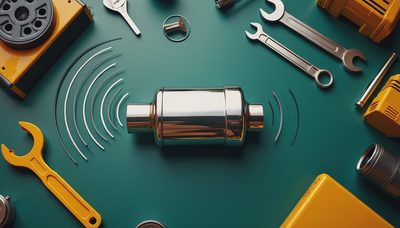
Before booking a repair, notice when the sound appears. A loud engine at startup that fades after a few seconds can point toward an exhaust leak, a loose heat shield, or an issue with the accessory belt. A deep growl that rises with engine speed is more concerning for an exhaust restriction, muffler damage, or an engine problem. A high-pitched squeal often comes from a worn serpentine belt, belt tensioner, or pulley.
If the sound changes with road speed rather than engine speed, look beyond the engine. Uneven tire wear, a failing wheel bearing, or a loose underbody shield can create a hum or roar that gets louder on the freeway. A clicking sound during turns can indicate a worn constant-velocity joint, especially on front-wheel-drive and all-wheel-drive vehicles. Recording a short phone video from inside the parked car can help a technician understand the pattern, but never hold a phone while driving.
The detail that made the trip: sound is often more diagnostic than a dashboard light. Write down whether the car is cold or warm, moving or stationary, accelerating or braking, and turning or traveling straight.
Why is my car running loud when accelerating?
Acceleration puts extra load on the engine, transmission, exhaust system, and mounts, so a hidden weakness can become obvious when you press the pedal. An exhaust leak near the manifold or a cracked flex pipe can produce a sharp ticking or aggressive roar. Exhaust gases should leave through the tailpipe, not enter the passenger compartment. If you smell exhaust inside the cabin, open the windows, stop driving, and arrange an inspection because carbon monoxide is dangerous.
A loud acceleration noise can also come from an intake problem. A disconnected airbox hose or cracked intake tube may create a pronounced whooshing sound, while a turbocharged vehicle can develop a whistle if a boost hose loosens. The car may feel slower, hesitate, or trigger a check-engine light. On some vehicles, a failing catalytic converter causes rattling or restricted performance rather than a simple increase in volume.
Do not assume every dramatic sound is an engine failure. A loose heat shield can vibrate at one narrow range of rpm and sound far more expensive than it is. Repairs for a shield or clamp might run roughly $50 to $250, while exhaust manifold, catalytic converter, or turbocharger work can reach $1,000 to several thousand dollars depending on the vehicle.
Why is my car running loud at idle?
A noisy idle deserves attention because the car is not moving, removing tire and wind noise from the diagnosis. A rough, uneven idle with shaking can be related to a vacuum leak, dirty throttle body, ignition misfire, or fuel-delivery issue. A flashing check-engine light is an urgent warning: continued driving can damage the catalytic converter. Turn the vehicle off and have it transported rather than treating the light as a suggestion.
A steady rumble or thump at idle may come from a broken engine or transmission mount. These mounts hold the powertrain in place and isolate vibration from the cabin. When one fails, you may feel a jolt when shifting into Drive or Reverse, hear a clunk, or notice the engine moving more than usual. Replacement commonly costs several hundred dollars, although luxury models and difficult-to-access mounts can cost more.
The question why is my car running loud can also have a surprisingly simple answer: the cooling fan is running at full speed. A failing temperature sensor, low coolant, or air-conditioning demand can make the fan roar. Check the temperature gauge, but do not open a hot radiator cap. Steam, an overheating warning, or coolant pooling under the car means the vehicle should not continue toward dinner reservations or a weekend escape.
Rattles, humming, and grinding: what they suggest
A metallic rattle over bumps often points to an exhaust shield, loose bracket, suspension link, or underbody cover. A hum that increases steadily with speed may be a tire or wheel bearing. To distinguish them, safely note whether the pitch changes when you gently steer left or right on an empty road. A wheel-bearing noise can change during a turn, but diagnosis should be done by a professional rather than by aggressive testing.
Grinding deserves a faster response. Grinding during braking can mean brake pads are worn through and the backing plate is contacting the rotor. That can turn a routine pad replacement into a brake rotor and caliper repair. Grinding while turning can involve a CV joint, while grinding during gear changes may involve the transmission or clutch. If braking feels different, the steering wheel shakes heavily, or the car pulls, skip the drive to the shop and request roadside assistance.
Why is my car running loud after an oil change, tire service, or underbody repair? A missing fastener, displaced splash shield, or improperly secured airbox can be disturbed during routine work. Call the shop first and describe exactly when the sound began. A reputable repair facility will usually want to inspect a recent installation before guessing at unrelated causes.
What repairs might cost
A diagnostic inspection often costs about $75 to $200, though some shops waive the fee when you approve the repair. Simple fixes include tightening a shield, replacing a clamp, securing an intake tube, or installing a new belt. Those repairs may stay below $300. Brake, bearing, mount, and exhaust work commonly land between $300 and $1,500, while catalytic converters, turbochargers, internal engine damage, and dealer-only parts can push the bill higher.
Ask for a written estimate separating diagnosis, parts, labor, shop fees, and taxes. Request the technician's evidence: a photo of the broken mount, a smoke test for an intake leak, or a measurement showing brake or tire wear. Comparing one independent shop with a dealer is sensible for older vehicles, while newer cars with complex electronics may benefit from factory diagnostic equipment.
Insurance typically covers sudden damage from a covered event, such as collision, theft, vandalism, or weather, depending on the policy. It generally does not pay for ordinary mechanical wear, a failing belt, or an aging muffler. Comprehensive and collision coverage can still protect your finances when the loud sound follows an accident or another covered incident, subject to the deductible.
Should you drive it or call for help?
If the car is loud but drives normally, has no warning lights, shows no fluid leak, and the sound is clearly a loose trim or shield, a short trip to a nearby repair shop may be reasonable. Keep the windows open enough to notice exhaust odor, avoid highways, and stop immediately if the sound changes.
Call roadside assistance when you smell exhaust, see smoke or steam, hear loud grinding, lose power, feel severe vibration, or see an overheating gauge. Also stop for a flashing check-engine light, low oil-pressure warning, or brake warning. A tow costing $75 to $150 is frustrating; an overheated engine, damaged catalytic converter, or failed brake system can cost many times more.
When you ask why is my car running loud, the safest answer is not always the most expensive one. Start with the pattern, document the symptoms, and get a clear diagnosis before authorizing parts. Then review your auto insurance so your liability limits, roadside assistance, comprehensive coverage, and collision coverage match the way you actually drive. That small bit of preparation leaves more room in the budget for the next scenic route, roadside pie, or quiet ride home.