You notice it leaving the driveway: the engine has a deeper growl, the tires seem to hum against the pavement, or the familiar quiet of your commute has disappeared. If you are wondering why does my car sound louder than usual, do not dismiss the change simply because the vehicle still starts and drives. A new sound is often an early warning, and catching it early can turn a manageable repair into a much smaller bill.
A louder car is not always an emergency. Cold weather, wet roads, roof racks, open windows, and fresh pavement can all change the soundtrack. Still, the location, timing, and character of the noise offer useful clues. Here is what to listen for before you book a shop appointment or continue a long drive.
Start with the type of sound
The first step is describing the noise without trying to diagnose it. A low rumble that rises with engine speed points toward a different system than a rhythmic thump that follows vehicle speed. Ask whether the sound happens at idle, during acceleration, while turning, over bumps, or only when braking.
A metallic rattle underneath the car can indicate a loose heat shield, exhaust hanger, or catalytic converter shield. These parts often make a tinny vibration at a particular engine speed. A deep roar from the rear may indicate an exhaust leak or a damaged muffler. A high-pitched squeal during braking commonly comes from worn brake pads, although moisture on the rotors can create a brief sound after rain.
A humming or droning noise that gets louder as you accelerate may come from a tire with uneven tread wear or a failing wheel bearing. If the hum changes when you gently steer left or right, schedule an inspection soon. A clicking sound during tight turns is often associated with a worn constant-velocity joint, especially on front-wheel-drive vehicles.
The question why does my car sound louder than usual becomes easier to answer when you note whether the sound follows engine speed or road speed. That distinction can save diagnostic time at the repair shop.
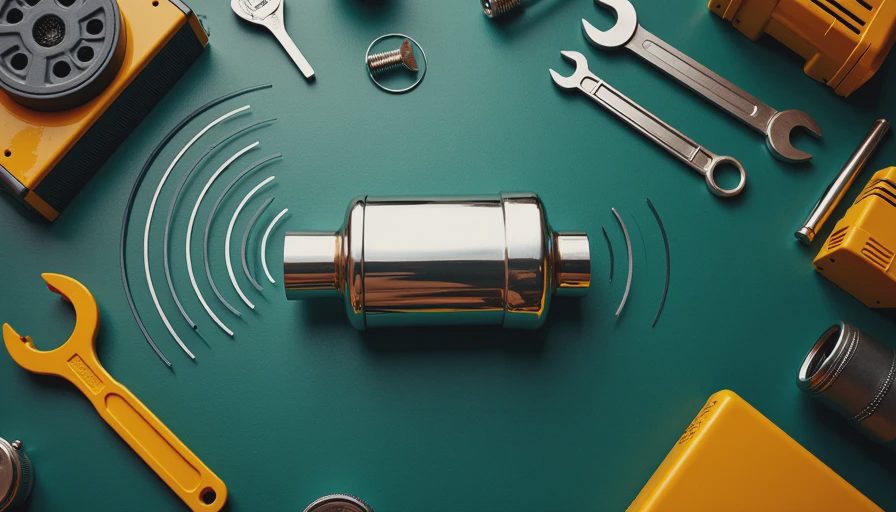
Exhaust problems are a common culprit
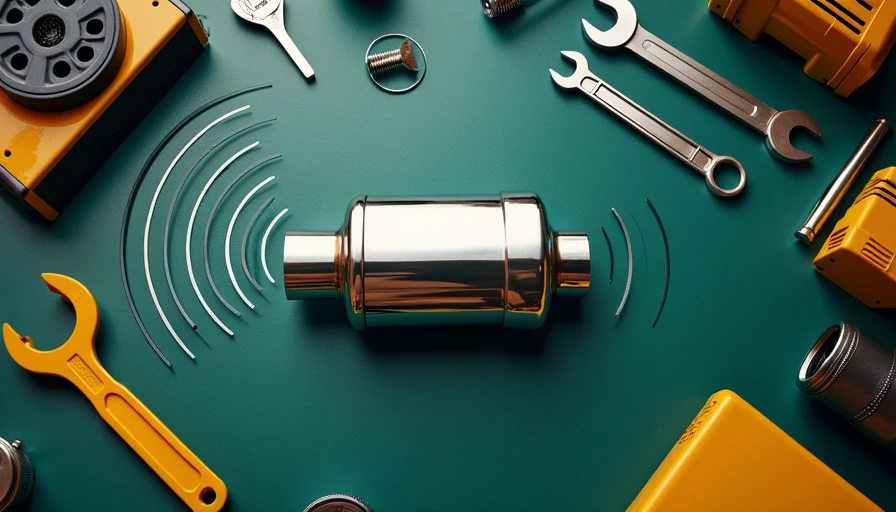
Your exhaust system carries combustion gases away from the engine and reduces noise before those gases exit at the tailpipe. A cracked pipe, rusted muffler, failed gasket, or broken hanger can suddenly make a normally refined sedan sound like a performance car. On older vehicles, corrosion around the muffler and pipe joints is especially common after years of rain, road salt, and short trips.
Exhaust noise deserves attention beyond comfort. A leak near the engine or passenger compartment can allow carbon monoxide, an odorless and dangerous gas, to enter the cabin. If you smell exhaust inside, see black soot near a pipe connection, feel dizzy, or develop a headache while driving, pull over, open the windows, and arrange immediate service. Do not idle the vehicle in a garage, even with the door open.
A muffler replacement can sometimes cost roughly $150 to $500, while a larger exhaust repair involving a catalytic converter can run well above $1,000. Prices depend on the vehicle, parts, and labor, but prompt inspection is usually less expensive than waiting until several components fail.
Tires, wheels, and brakes change the soundtrack
Road noise often begins with the four contact patches beneath you. Underinflated tires can sound louder and feel less precise, while overinflation can make the ride harsh. Check pressure when the tires are cold and use the number on the driver-door placard rather than the maximum pressure molded into the tire sidewall.
Uneven wear creates a repeating hum or slap. Run your hand lightly across the tread, moving from the inside edge to the outside edge, with the car parked. Cupped or scalloped sections suggest a possible alignment, balancing, suspension, or tire problem. Do not continue if you see a bulge, exposed cord, or deep cut; replace the tire or have it inspected immediately.
Brake sounds deserve their own attention. A brief squeak after a damp night is not unusual, but grinding, scraping, pulsation, or a vehicle pulling to one side should not wait. Brake pads, rotors, calipers, and wheel bearings all affect safety. A basic brake job may fall around $250 to $700 per axle, while more extensive work can cost more.
If you are still asking why does my car sound louder than usual after checking tire pressure, look for a change in vibration, steering feel, or braking performance. Those details help separate ordinary road noise from a mechanical concern.

Engine and transmission noises need careful listening
An engine that suddenly sounds louder under acceleration may be working harder because of a clogged air filter, a vacuum leak, low fluid, or an exhaust issue near the manifold. A rough idle paired with a check-engine light can indicate an ignition, fuel, or emissions problem. A flashing check-engine light is more urgent than a steady light because continued driving can damage the catalytic converter.
Knocking, tapping, or ticking sounds deserve caution. Some engines naturally produce light injector ticking, while a deep knock that increases with engine speed can signal serious internal wear. Stop driving if the oil-pressure warning appears, the temperature gauge climbs, or the engine knocks loudly. Continuing for even a short distance can turn an inspection into an engine replacement.
Transmission concerns may sound like whining, clunking, or a delayed engagement when shifting. A low fluid level, worn mount, or internal transmission fault can produce similar symptoms, so avoid guessing based only on sound. Record a short video from outside the vehicle and describe exactly when the noise occurs.
What to do before visiting a repair shop
Write down when the noise began and whether it appeared after a pothole, tire replacement, oil change, storm, or long trip. Note the vehicle’s speed, engine temperature, weather, and whether the sound changes while turning or braking. This small log gives a technician far more useful information than “it sounds bad.”
Choose a reputable independent shop, dealership service department, or mobile mechanic with strong recent reviews and clear estimates. Ask for a diagnostic fee, request that the technician show you the failed part, and get labor and parts listed separately. For a repair above several hundred dollars, a second opinion is reasonable. Parts from brands such as Bosch, Denso, Monroe, and Wagner are common in the aftermarket, but the correct specification matters more than the logo.
If the car is unsafe to drive, use roadside assistance through your auto insurer, manufacturer warranty, or an automobile club. Coverage varies, and roadside assistance does not automatically pay for mechanical repairs, so confirm the benefit before relying on it.
When a louder car should not wait
The most urgent warning signs include exhaust fumes in the cabin, grinding brakes, severe shaking, a flashing check-engine light, an overheating gauge, loss of power, smoke, fluid leaks, or a new noise accompanied by a warning lamp. In those cases, pull over somewhere safe and arrange a tow rather than testing the car on the highway.
For a mild hum or rattle with no warning lights, schedule an inspection within the next few days. That is the sensible answer to why does my car sound louder than usual: investigate the change while the cause is still visible and affordable to fix. A quiet car is pleasant on a coastal drive, but more importantly, familiar sounds make it easier to notice the warning that truly matters.