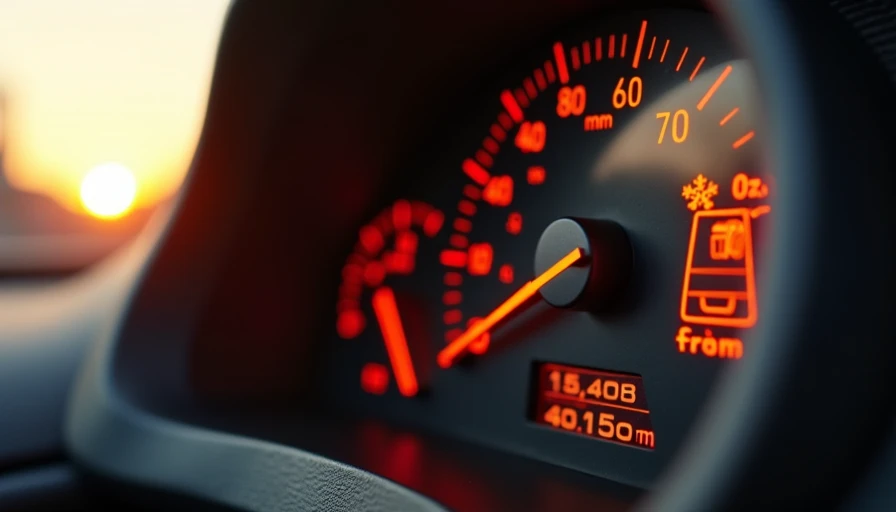
The first clue is often the fuel gauge, not the weather app. You leave home in the dark, scrape frost from the windshield, and notice that your usual fill-up arrives 30 or 40 miles earlier than it did in October. If you are asking why does mpg go down in winter, the short answer is that cold temperatures affect the engine, tires, fluids, battery, and the way we drive. The good news is that most of the loss has understandable causes, and a few habits can soften it.
Cold air, cold oil, and the first few miles
Gasoline engines are least efficient before they reach operating temperature. In winter, the engine block, engine oil, transmission fluid, and exhaust system all start colder. The vehicle uses extra fuel to warm those components and bring the emissions system to its normal operating range. A five-minute trip to the coffee shop can therefore be much less efficient than a 25-mile drive on the same route.
Cold air is denser, which increases aerodynamic drag at highway speed. That effect is modest around town but more noticeable during a long interstate drive. The engine also has to work against thicker fluids, especially when temperatures fall well below freezing. Modern synthetic oil helps, but it does not eliminate the extra work.
Remote-start habits add another piece to the puzzle. Letting a car idle for 10 minutes while you finish breakfast warms the cabin, but it produces zero miles per gallon during that time. Unless your vehicle needs a brief warm-up for visibility or extreme conditions, starting gently and driving soon after is typically more efficient than extended idling.
Tires and pressure are easy winter culprits
Tire pressure drops as temperatures fall. A common rule of thumb is roughly one pound per square inch for every 10-degree Fahrenheit decrease, although the exact change depends on the tire and conditions. A tire that was correctly inflated during a warm afternoon can read several psi low on a freezing morning.
Underinflated tires flex more, create additional rolling resistance, and can reduce fuel economy. They also affect handling and braking, which matters more when roads are wet, icy, or covered with slush. Check pressure with a reliable gauge when the tires are cold, then match the number on the driver’s doorjamb label rather than the maximum pressure molded into the tire sidewall.
Winter tires bring valuable traction, but their softer rubber and more aggressive tread can create more rolling resistance than all-season tires. That tradeoff is often worthwhile in snow country. Fuel savings should never outweigh control, especially for a Subaru Outback, Toyota RAV4, Ford Bronco Sport, or any vehicle regularly used on steep, slippery roads.
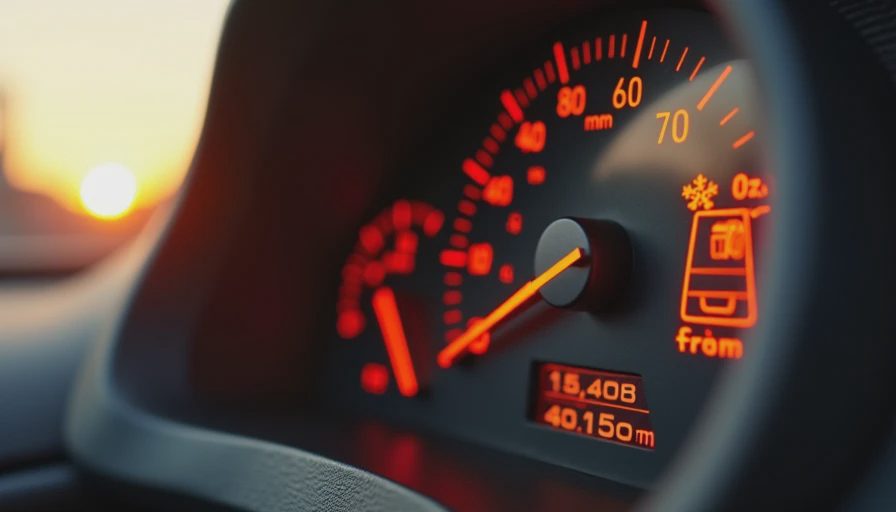
Why does mpg go down in winter traffic?
Winter changes driving patterns as much as it changes the mechanical parts of a car. Snow, rain, darkness, and slick pavement encourage slower speeds, longer gaps, and more frequent braking. Stop-and-go traffic is hard on fuel economy because the vehicle repeatedly converts fuel into motion, then throws that motion away through braking.
Four-wheel drive and all-wheel drive can also increase fuel use. The extra hardware adds weight, and systems that send power to more than two wheels create additional mechanical resistance. Using all-wheel drive does not automatically double fuel consumption, but it can trim economy compared with a similar front-wheel-drive vehicle. Roof boxes, ski racks, and heavy cargo make the aerodynamic and weight penalties larger.
Cabin comfort matters, too. Heated seats are generally a relatively efficient way to warm occupants, while the heater fan, rear defroster, heated mirrors, and climate-control system all draw energy. In a gasoline car, that energy ultimately comes from the engine. In a hybrid, repeated cold starts and a cold battery can change the balance in ways that are especially visible on short trips.
Hybrid and electric vehicle differences
Drivers of hybrids often notice a sharp winter change because the gasoline engine may run more frequently to provide cabin heat. A Toyota Prius, Honda CR-V Hybrid, or Ford Escape Hybrid can still be highly efficient, but short cold-weather errands may look disappointing compared with summer mileage. The hybrid battery also accepts and delivers energy less efficiently when it is cold.
Electric vehicles do not display miles per gallon, but the same physics affect range. Cabin heating consumes electricity, cold batteries may limit regenerative braking, and dense air increases resistance. Preconditioning while the vehicle is plugged in can preserve more driving range because the grid, rather than the battery, supplies much of the initial heating energy.
That difference explains why a 15-mile winter commute can feel unusually expensive in an EV or hybrid while a longer, warmed-up drive looks much better. The detail that made the trip: combining several errands into one loop is often more efficient than making four separate cold starts.
How to improve winter fuel economy
Start with the basics. Check tire pressure every few weeks and before a long road trip. Remove empty cargo boxes, unused tools, and seasonal equipment from the vehicle. Keep the engine air filter and spark plugs maintained according to the manufacturer’s schedule. If the check-engine light appears, do not ignore it; an oxygen-sensor, thermostat, or engine-management fault can affect fuel delivery and performance.
Plan errands around one longer outing rather than several isolated starts. Warm the car by clearing windows completely, not by idling until the cabin feels like a sauna. Accelerate smoothly, look farther ahead, and leave extra following distance so you can reduce unnecessary braking. On the highway, moderate speed usually saves more fuel than searching for a specialty additive or premium gasoline your owner’s manual does not require.
Track real mileage over at least two or three fill-ups. Divide miles driven by gallons added, and compare similar routes rather than one unusually snowy week with a mild fall tank. A drop of a few miles per gallon can be normal in winter. A sudden, severe decline accompanied by rough running, a fuel smell, poor acceleration, or a warning light deserves professional diagnosis.
When winter mileage points to a bigger problem
Seasonal loss is usually gradual and improves when temperatures rise. Mechanical trouble tends to be more persistent. A thermostat stuck open can keep the engine below its intended operating temperature. A dragging brake caliper, poor wheel alignment, failing oxygen sensor, or severely underinflated tire can also make the engine work harder. If the car pulls to one side, one wheel feels unusually hot, or the engine temperature gauge behaves differently, schedule an inspection.
Fuel economy is also useful when planning a road trip budget. A vehicle that normally returns 30 mpg but delivers 25 mpg in cold weather will use about two extra gallons over a 300-mile journey. At $3.50 per gallon, that is roughly $7, not a crisis but enough to cover a roadside coffee or a slice of pie at a good diner. Understanding the difference helps you budget honestly instead of blaming every winter fill-up on a mysterious defect.
So, why does mpg go down in winter? Cold starts, dense air, low tire pressure, winter tires, extra electrical demand, traffic, and short trips all contribute. Check the simple items first, combine errands, drive smoothly, and watch for symptoms that do not disappear with warmer weather. A little preparation keeps the fuel gauge from dictating the entire season—and leaves more room in the travel budget for the meal at the end of the road.