The first thing you notice in a Toyota Supra is the sound: a smooth, swelling note that turns an ordinary on-ramp into the beginning of a trip. The second is how low the hood looks from the driver’s seat. Whether you are considering a used A80 icon or a current-generation coupe, the Toyota Supra still carries a rare promise: genuine sports-car focus without giving up enough comfort to make a weekend away impractical.
Why the Toyota Supra still matters
The Supra name has history, but its appeal is not limited to nostalgia. The fourth-generation A80 became famous for its strong 2JZ engine, tuning potential, and role in popular car culture. Finding a clean example today can require patience, careful inspection, and a budget that often reaches well beyond ordinary used-car money. Modified cars deserve extra scrutiny because engine upgrades, suspension changes, and cosmetic work can hide hard use.
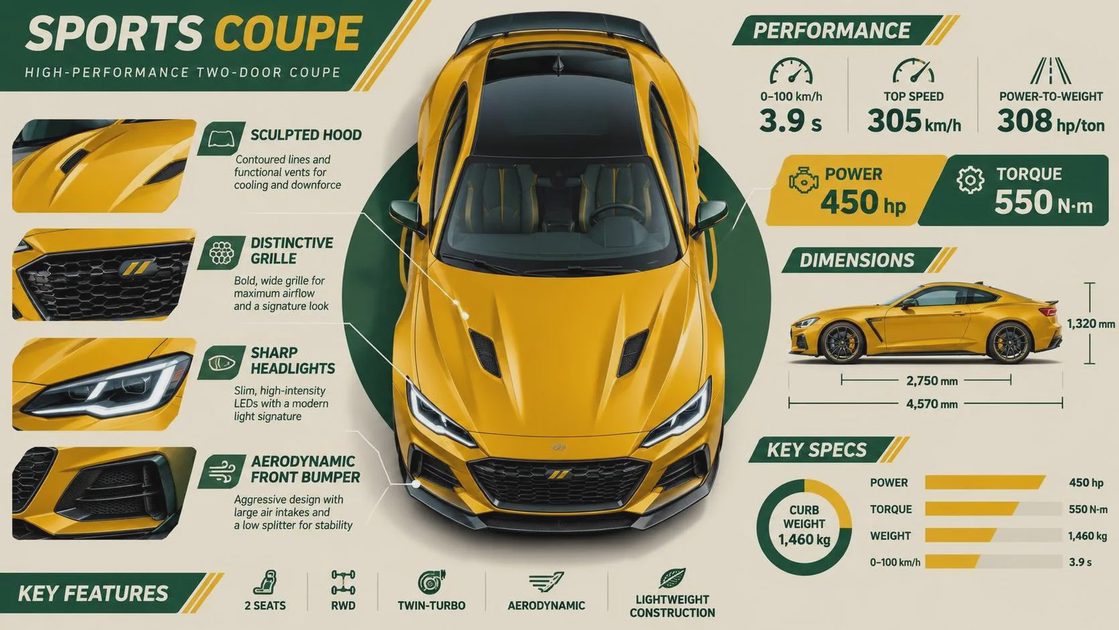
The fifth-generation Toyota Supra, sold in the United States from the 2020 model year, took a different route. It was developed with BMW, shares fundamental architecture with the BMW Z4, and uses BMW-sourced turbocharged engines. That partnership provoked plenty of online debate, but behind the wheel the result is compact, quick, and engaging. The available six-speed manual transmission on 3.0-liter models adds the physical involvement many enthusiasts expect, while the automatic is quick and relaxed in traffic.
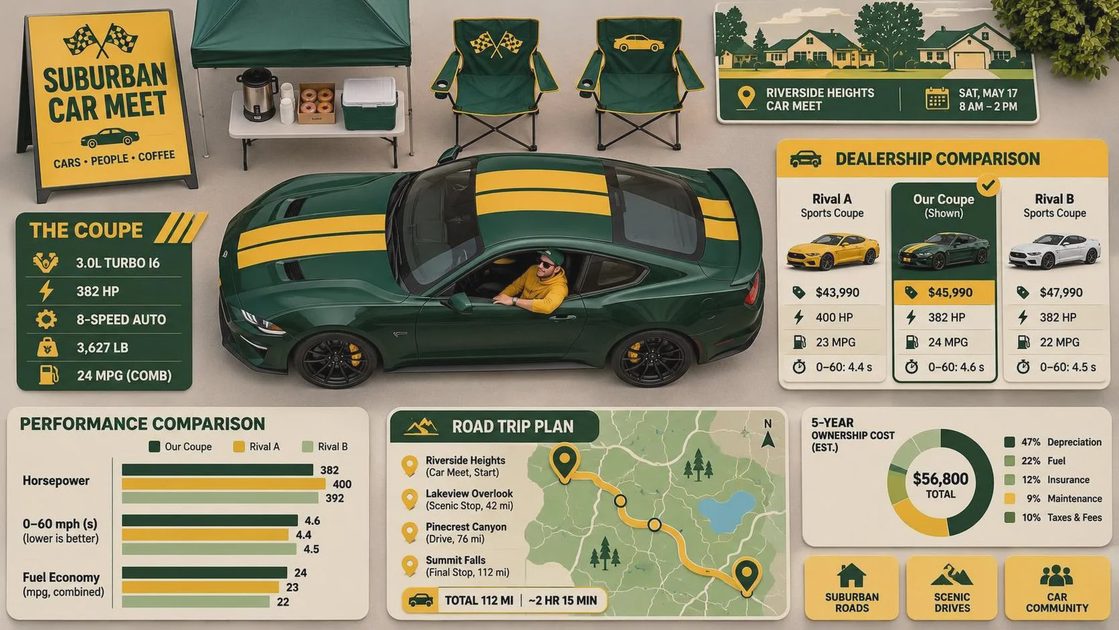
The detail that made the trip: this is a car that feels special at legal speeds. Steering through a wooded bend, you can enjoy its balance without needing a racetrack. The cabin is snug, storage is limited, and rear visibility takes some getting used to, but those compromises are part of the coupe experience rather than accidental flaws.
Choosing a Toyota Supra powertrain
The four-cylinder Toyota Supra 2.0 is the more approachable version. It is lighter over the front axle and has enough turbocharged power for spirited back-road driving, while its lower purchase price can make ownership easier to justify. It is not the choice for someone chasing the strongest acceleration or the broadest performance envelope, but it can be the clever option for a driver who values agility over outright numbers.
The 3.0-liter inline-six is the enthusiast favorite. Its turbocharged BMW B58 engine delivers strong midrange thrust, and later model years received useful chassis and software updates. A manual-equipped Toyota Supra 3.0 asks more of the driver in heavy traffic, yet rewards smooth shifting on a mountain road. The automatic version is more versatile for commuting and tends to make the car feel faster in everyday conditions.
Before buying, drive both versions on the same route. Notice pedal response, ride firmness, brake feel, and how easily you can see out of the rear glass. A short dealership loop will not reveal whether the seating position works for your legs or whether the suspension feels tiring after an hour. If possible, spend time in stop-and-go traffic as well as on a winding road.
What ownership costs really look like
A Toyota Supra is not an economy car simply because it wears a Toyota badge. Routine maintenance includes oil services, filters, tires, brake components, and inspections, with costs influenced by the BMW-related mechanical hardware. A basic service might be manageable, while performance tires can quickly add several hundred dollars to a replacement bill. A set of premium summer tires can cost roughly $900 to $1,500 before installation, depending on size and brand.
Tire wear deserves special attention. The Supra’s rear-wheel-drive layout and available power make it easy to use the rear tires enthusiastically, even without dramatic driving. Alignment problems, track use, or neglected suspension parts can accelerate wear. Ask for service records, inspect tread across each tire, and look for uneven wear on the inner shoulders. An independent shop familiar with BMW and Toyota performance cars can be valuable for a pre-purchase inspection.
Fuel costs also depend heavily on how you drive. The turbocharged six-cylinder rewards a light throttle with reasonable highway manners, but boost, premium fuel, and frequent short trips will raise the bill. Compare insurance quotes before signing a purchase contract, especially if you are moving from a family sedan to a high-performance coupe.
Finding affordable Toyota Supra insurance
Insurance pricing for a Toyota Supra depends on the driver, location, coverage limits, driving record, annual mileage, vehicle age, and claims history. A newer 3.0-liter model with a manual transmission can carry a different premium from a four-cylinder car or an older A80, and two drivers in the same city can receive very different quotes. The fastest way to find a realistic number is to compare several insurers using identical information.
Start with liability limits that protect your assets rather than choosing only the cheapest legal option. Collision coverage helps pay for damage to your car after a covered crash, while comprehensive coverage generally addresses non-collision events such as theft, weather, vandalism, or animal impact. If the vehicle is financed, the lender will usually require both collision and comprehensive coverage.
A $500 deductible often costs more each month than a $1,000 deductible, but the lower deductible reduces the amount you must pay after a claim. Choose an amount you could comfortably cover tomorrow. Ask about discounts for multiple policies, safe driving, defensive-driving courses, low annual mileage, and vehicle safety equipment. If you store the car for part of the year, ask how a seasonal-use policy or mileage adjustment would work; never simply cancel required coverage on a financed vehicle.
Turning the Supra into a road-trip car
The Toyota Supra is better suited to a two-person escape than a family vacation. There is room for a soft overnight bag, camera gear, and a jacket, but not for a week’s luggage for four people. Pack low and light, use a compact duffel instead of a hard suitcase, and leave space around the hatch area so the rear glass remains useful for visibility.
I would choose a route with changing scenery rather than a marathon interstate run. Start with coffee in a small town, find a scenic stretch with safe pull-offs, and end somewhere with a memorable dinner. The car is happiest when the road gives it a sequence of bends, but its compliant cruising manners mean the journey does not have to become an endurance test. A quality phone mount, tire-pressure gauge, and emergency kit are more useful than a trunk full of accessories.
That is also where the Toyota Supra makes the most sense emotionally. It is not a practical answer to every automotive question, and it does not pretend to be. It is a reason to take the longer route, leave work a little earlier, and pay attention to the landscape between destinations.
A smart buying process
Begin by deciding whether you want the 2.0 or 3.0 engine, automatic or manual transmission, and new or used ownership. Then set aside money for insurance, premium fuel, tires, registration, and a maintenance reserve. A car that fits the monthly payment but strains the rest of the budget will make every enjoyable drive feel less enjoyable.
For a used Toyota Supra, request the vehicle history, confirm open recalls through the manufacturer’s official channels, and inspect panel gaps, wheels, underbody components, and the front bumper for signs of repair. Ask whether the car has been tuned or tracked. Aftermarket parts are not automatically a problem, but undocumented engine software and heavily modified suspension can complicate reliability and insurance claims.
Take a proper test drive, obtain an independent inspection, and collect insurance quotes using the vehicle identification number before purchase. Then compare the total ownership picture, not just the sale price. A clean, lightly used example with complete records is often more appealing than a cheaper car carrying years of questionable modifications.
A year later, what I still think about is not the Supra’s specification sheet. It is the sound under a bridge, the view over the hood at dusk, and the sudden decision to continue past the exit because the road ahead looked better. For the right driver, a Toyota Supra is less a commuter appliance than a compact invitation to go somewhere.