The Straight 6 Engine: Why the World's Favorite Inline-Six Still Wins
Cold starts tell you everything about a car. With a straight 6 engine, the first few seconds sound like a distant thunderstorm clearing its throat. Then comes the idle, a smooth, shake-free pulse that feels almost electric. I've driven plenty of V6s and four-bangers, but nothing settles into a rhythm quite like an inline-six. This layout has powered everything from British sports cars to Japanese icons, and it's enjoying a serious comeback. Here's why the straight 6 engine still matters, both on the road and in your garage.
What Makes a Straight 6 Engine Different?
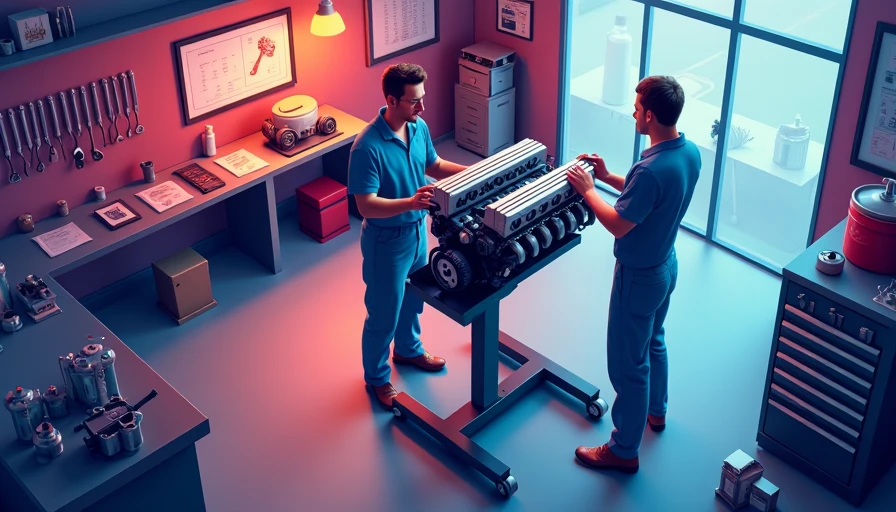
To understand the appeal, picture the cylinders arranged in a single line, all six pistons rising and falling in perfect opposition. That's why a straight 6 engine runs more smoothly than a V6 of similar size. The firing order is naturally balanced; the forces from the pistons cancel each other out in a way a 90-degree V6 needs balance shafts to imitate. You feel it the moment you accelerate: the power comes on evenly, with an almost turbine-like urgency rather than a buzzy thrum. Engineers love the layout because it's simpler than a V6, with one cylinder head instead of two, and it keeps the crankshaft long and rigid.
A Quick History Lesson: From British Roadsters to Japanese Icons
Most gearheads know the legends by heart: the Toyota 2JZ-GTE from the Supra, the Nissan RB26DETT from the Skyline GT-R, and the BMW M30 that powered decades of 5-Series sedans. These engines became famous for living past 200,000 miles and for handling boost like they were born for it. I still remember standing next to a friend's 1994 Supra at a car meet in Petaluma, watching him pop the hood just so strangers could admire the gleaming inline-six underneath. That engine was the first straight 6 engine most of us ever learned to respect. Meanwhile, Jaguar's XK engine in the 1960s proved the layout could be refined, turning a sedan into a grand tourer with a sound that still reminds me of smooth jazz at 80 miles an hour.
Modern Straight-Six Turbos: The Comeback of the Inline-Six
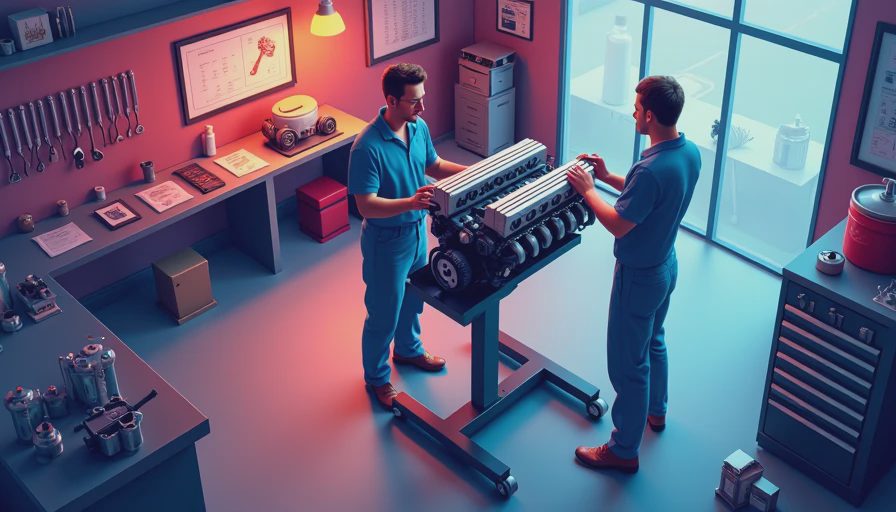
Fast-forward to today, and a straight 6 engine is suddenly everywhere again. BMW's B58 turbocharged inline-six, used in the 340i and the Toyota GR Supra, is widely considered one of the best modern powerplants. Mercedes has followed with its 3.0-liter M256, which pairs a mild-hybrid system with an inline-six to smooth out stop-and-go traffic. Even Stellantis, the parent company of Jeep and RAM, has introduced the 3.0-liter Hurricane twin-turbo. The reasons are technical: a longer, narrower engine packages well under a hood, and the layout improves thermal efficiency for emissions. But the real reason is character. Automakers figured out that customers still love the sound and the smooth pull of a straight 6 engine. It turns a daily commute into something closer to a road trip.
Which Cars Still Have a Straight 6 Engine in 2025?
Walk into a BMW dealer today and you'll find the B58 in everything from the 340i to the 540i and the Z4 roadster. At Mercedes, the 3.0-liter M256 shows up in the E450 and the S500. Toyota's GR Supra, despite wearing a Japanese badge, uses the same B58 as its German cousin. And over at Stellantis, the new Hurricane inline-six is showing up in the RAM 1500 and the Jeep Grand Wagoneer. You don't have to pay six-figure prices either. A used BMW 340i with the B58 often lands around $30,000 to $35,000, while a certified pre-owned Supra with the six-cylinder will be closer to $50,000. That's real money, but the driving experience is a bargain.

What a Straight-Six Feels Like on the Road
The first time you carve a long freeway on-ramp in a B58-equipped BMW, you notice how linear the power is. A V6 often feels muscular at low revs, then gasps when you reach for the top end. A straight-six just keeps pulling, like it's on a treadmill that hasn't found the off switch. At highway speed, the drone disappears. On a road trip from San Francisco down the Pacific Coast Highway, the engine settles into a quiet hum, leaving just enough wind noise to remind you how fast you're going. That's the detail that makes the trip. It's why so many drivers build whole vacations around the car itself.
What the Straight-Six Means for Your Insurance and Your Wallet
Here's where insurance enters the picture. Insurers don't usually ask whether an engine is an inline-six or a V6, but they absolutely look at the performance profile of the car. A turbocharged straight-six in a sports coupe or luxury sedan will carry a higher rate than the same model with a four-cylinder. That holds true for any powerful engine, and the straight 6 engine is no exception. If you're shopping for a used Supra or BMW, compare quotes before you fall too hard for the sound. A few minutes of research can save a couple hundred dollars a year.
Should You Buy One?
Maybe you've always wanted a car with a six-cylinder engine, or maybe you'd never heard of the layout until today. Either way, the current market is the best it's been in decades. The inline-six offers a blend of smoothness, reliability, and pure driving joy you won't get from a turbocharged four-cylinder. It also holds its value remarkably well, especially in models like the Supra and the Jeep Grand Wagoneer. If you're looking for a car that still feels special on a long weekend run, an inline-six is one of the smartest choices you can make. Just remember to factor in the insurance premium before you sign.