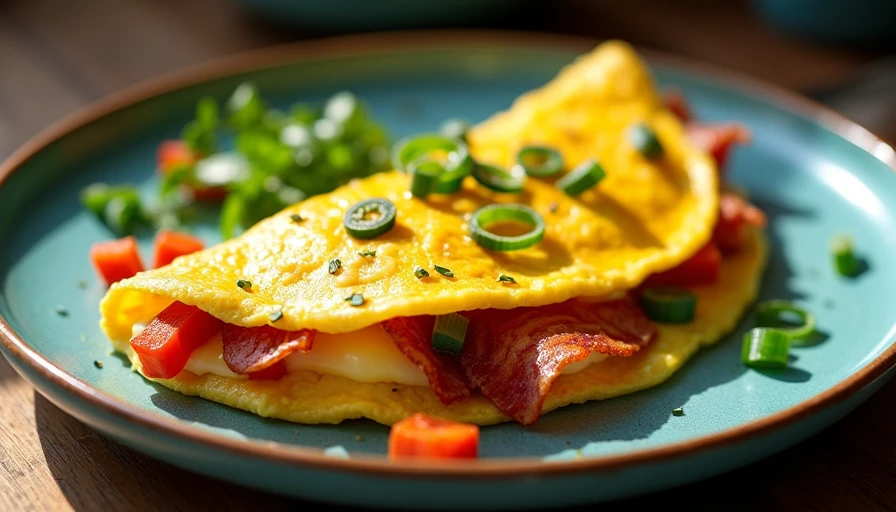
The butter starts to foam before the coffee finishes dripping, and suddenly the kitchen smells like a roadside diner at 8 a.m. A southern omelette is not a fussy French egg envelope. It is warmer, more generous, and built around the things that make a weekend breakfast feel like a destination: sharp cheddar, smoky ham, sautéed peppers, sweet onions, and a little hot sauce. I first came to this style after a long drive through the Southeast, when a simple plate of eggs tasted better than any carefully planned brunch. The detail that made the trip: the omelette arrived hot, folded loosely, and filled enough to require both a fork and a piece of toast.
What makes a southern omelette different
There is no single official formula for a southern omelette, which is part of its appeal. Across home kitchens and diner counters, the name usually points to a hearty American omelette with a tender egg exterior and a savory filling. The ingredients are familiar, but the balance matters. You want enough filling to make the dish satisfying without turning the eggs into a cracked shell around a pile of leftovers.
The classic foundation is three large eggs, one tablespoon of water or milk, a pinch of salt, and black pepper. Water creates a lighter texture, while milk gives the eggs a slightly richer finish. For the filling, plan on about two ounces of diced ham or cooked bacon, one-quarter cup each of shredded cheddar and sautéed vegetables, and a few dashes of hot sauce. Monterey Jack works when you want a softer melt, while smoked cheddar adds a deeper campfire note.
A good southern omelette should taste like breakfast, not a refrigerator cleanout. Choose two or three main fillings, then add one fresh accent such as scallions, parsley, or diced tomato. That restraint is what keeps each bite distinct.
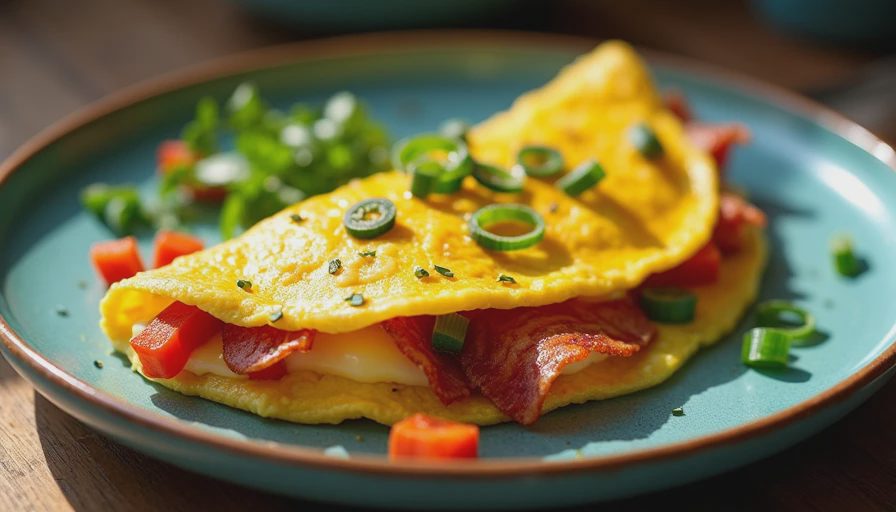
Building the filling without making it heavy
Start with the ingredients that need time. Warm a ten-inch nonstick skillet over medium heat, add a teaspoon of butter or neutral oil, then cook diced onion and bell pepper for three to four minutes. The onion should soften and the pepper should retain a little bite. Add ham, sausage, or bacon only after the vegetables have started to caramelize. Pre-cooked meat needs just a minute to warm through; raw sausage must be fully cooked before it joins the eggs.
For a southern omelette with more regional character, try smoked ham, sharp cheddar, and a spoonful of roasted green chiles. For a gentler version, use diced turkey, Monterey Jack, and mushrooms. A dash of Worcestershire sauce can add savory depth, but use it sparingly because the cheese and meat already bring plenty of salt.
Keep the filling warm in the skillet while you whisk the eggs in a separate bowl. That small separation prevents overcooked eggs and gives you control over the final texture. If the vegetables release water, cook until the pan looks nearly dry. Moisture trapped inside the fold can make even a beautifully browned omelette watery.
The skillet technique that keeps eggs tender
Wipe out the skillet if the filling left behind browned bits, then return it to medium-low heat. Add one tablespoon of butter and swirl it across the base. Pour in the eggs and wait five seconds before moving them. Then use a silicone spatula to pull the cooked edges toward the center, tilting the skillet so uncooked egg flows into the open spaces.
When the top is still glossy but no longer liquid, stop stirring. Scatter the filling over one half of the eggs and add the cheese last. Fold the bare half over the filling, then slide the omelette onto a warm plate. The residual heat will finish the eggs without turning them rubbery. This is the point where a southern omelette earns its name: it should be substantial, softly folded, and just a little imperfect.
Avoid high heat. It browns the butter quickly, toughens the egg, and leaves you with a dry center. If the bottom colors before the top sets, lower the flame and cover the skillet for thirty seconds. That gentle trapped heat is especially useful when the filling is cold from the refrigerator.

Three combinations worth trying
The first is the roadside classic: ham, sharp cheddar, onion, and green bell pepper. It is balanced, familiar, and excellent with buttered toast. Add sliced scallions at the end for brightness.
The second is a smoky version with bacon, smoked cheddar, roasted red pepper, and a few drops of chipotle hot sauce. Because bacon and smoked cheese are assertive, skip extra salt until the eggs are on the plate. This southern omelette pairs well with crisp potatoes and black coffee.
The third leans toward a garden breakfast: mushrooms, spinach, tomato, and Monterey Jack. Cook the mushrooms until their liquid evaporates, wilt the spinach briefly, and add tomato only after the heat is off. Otherwise, the tomato can water down the fold. A spoonful of salsa on top brings acidity and color without overwhelming the eggs.
If you are feeding guests, prepare all fillings before anyone sits down. Keep them in small bowls near the stove and cook each omelette to order. The eggs take less than five minutes, and guests can choose their own combination without creating a crowded pan.
Making it part of a road-trip morning
A southern omelette is ideal before a drive because it offers protein, fat, and carbohydrates when served with toast or potatoes, but it does not require an elaborate production. I like making it on the first morning of a weekend trip, when the car is packed and nobody wants to search for a brunch table. Use a cast-iron skillet at a cabin or rental kitchen if you have one, though a nonstick pan is easier for first attempts.
Pack ingredients in a small cooler: eggs in their carton, shredded cheese in a sealed container, pre-cooked bacon, and washed vegetables. Keep the cooler cold, and do not leave eggs or meat sitting in a warm car while you hike or explore. A compact cutting board and silicone spatula are more useful than a drawer full of specialty tools.
The best roadside version is not necessarily the biggest. A two-egg omelette with toast can be more comfortable before several hours behind the wheel than an overstuffed three-egg plate. Give yourself time to eat before pulling onto the highway, and keep coffee in a secure travel mug rather than balancing it near the gear selector.
Serving, storing, and improving your next one
Serve the omelette immediately with toast, skillet potatoes, grits, or fruit. Hot sauce, salsa, and sliced avocado can sit on the side so everyone can adjust the richness. I prefer pickled jalapeños when the filling includes sausage or bacon; their acidity cuts through the cheese and wakes up the entire plate.
A southern omelette is best fresh, but leftover filling keeps for about three days in a covered refrigerator container. Reheat the filling in a skillet, then make new eggs rather than reheating a completed omelette. If your first attempt tears, do not treat that as failure. Reduce the filling, lower the heat, and wait until the eggs are barely set before folding.
Here's what you smell first, what you notice second, and what you'll remember a year from now: browned butter, warm cheddar, and the quiet pleasure of eating something made slowly before the road begins. Skip the obvious fast-food breakfast. Do this instead, and let a simple southern omelette become part of the trip.