You slide into the low-slung driver's seat, and the first thing you notice is the smell. Old leather, a hint of gasoline, and that particular vinyl warmth that only a car from the early '90s can produce. You turn the key—the starter motor whirs, and then the V6 fires with a baritone growl. This is the Nissan 300ZX 300ZX, a machine that promised sporty thrills when it debuted in 1984 and evolved into a technological tour de force by its 1990 redesign. Three decades later, the 300ZX remains a cult favorite, and for good reason.
What Makes the Nissan 300ZX 300ZX Special?
The Nissan 300ZX 300ZX, especially the Z32 generation produced from 1990 to 1996, is more than just a pretty face. Under that curvaceous body lies a twin-turbocharged 3.0-liter V6 (in the TT model) that pumps out 300 horsepower—a serious number for its era. The naturally aspirated version delivered 222 hp, which still feels lively today. But the real magic is how the car drives. The steering is precise, the chassis communicates every nuance of the road, and the suspension strikes a rare balance between comfort and cornering ability. It's a car that makes you want to find a winding back road, drop a gear, and listen to the turbos spool.
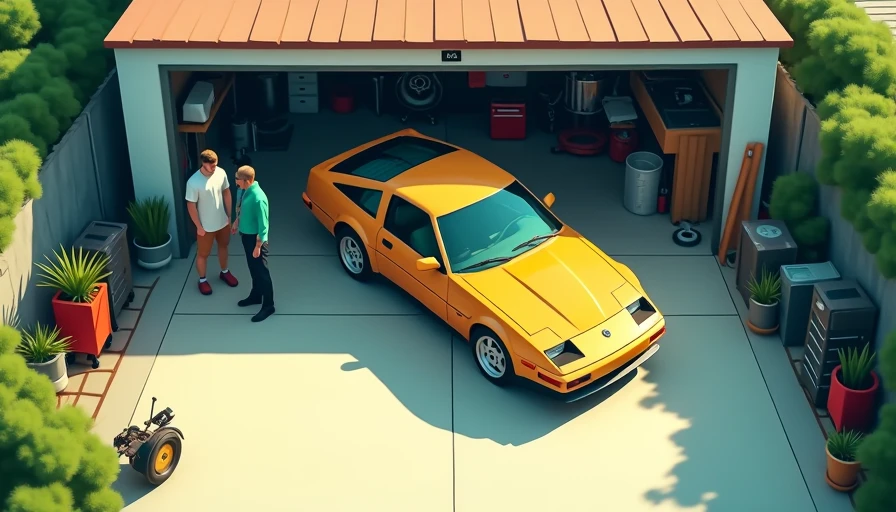
Daily Driving a Nissan 300ZX 300ZX: The Real Experience
Living with a 300ZX isn't for the faint of heart. It's a 30-year-old car, which means maintenance is a constant companion. The twin-turbo models, in particular, are known for complex vacuum lines, temperamental electrical systems, and a cramped engine bay that makes repairs a challenge. But for those willing to learn, the 300ZX rewards with an analog driving experience that modern cars can't replicate. The interior is snug, with deep bucket seats and a dashboard that wraps around you like a cockpit. The lack of modern driver aids means you're fully engaged—every shift, every turn, every braking point is yours to manage. It's not a daily driver for everyone, but for the enthusiast, it's a joy.
The Nissan 300ZX 300ZX on the Open Road: A Road Trip Companion
Here's where the 300ZX surprises you. Despite its sports car reputation, it's a capable grand tourer. The trunk is surprisingly large for a two-seater—enough for two carry-on suitcases and a soft duffel. The seats are comfortable for hours at a time, and the cabin stays relatively quiet at highway speeds (especially compared to a Mazda Miata of the same era). I once drove a 1993 300ZX from San Francisco to Los Angeles, taking Highway 1. The car settled into a smooth cruise, the turbos barely working, and the fuel economy held at around 22 mpg. It was a reminder that the 300ZX was engineered not just for the track, but for the kind of journeys that leave you with memories.
Where to Find a Nissan 300ZX 300ZX Today and What to Look For
The used market for the Nissan 300ZX 300ZX has softened slightly in recent years, but clean examples still command a premium. Expect to pay $8,000 to $15,000 for a decent naturally aspirated coupe, while twin-turbo models can range from $15,000 to over $25,000 for a well-maintained specimen. A convertible version exists, but the coupe is the one to have—it's stiffer and lighter. When shopping, look for maintenance records. Timing belt and water pump replacements every 60,000 miles are crucial, and the 120,000-mile service is a big one. Rust can be an issue on the lower door panels and rear wheel arches, especially in the Rust Belt. Bring a thorough PPI (pre-purchase inspection) and be ready to walk if the car shows signs of neglect.
Common Modifications for the Nissan 300ZX 300ZX
The Nissan 300ZX 300ZX has a dedicated aftermarket that can transform its performance and reliability. Many owners start with a standalone ECU like the AEM Infinity or Haltech to replace the finicky stock computer. This alone can fix idling issues and unlock power. Next, consider upgraded intercoolers and a boost controller for the turbo models—several companies like Z1 Motorsports and Specialty Z make bolt-on kits. For the naturally aspirated car, a cold air intake and a set of headers from Stillen or MSA can free up horsepower. Suspension upgrades are also popular: coilovers from Tein or KW give you the ability to dial in camber and ride height. The most important mod, however, is a hydraulic steering rack brace to tighten up the front end. Budget around $2,000 to $5,000 for a solid package of parts and labor, depending on your goals.
Final Thoughts: Is the Nissan 300ZX 300ZX Right for You?
The Nissan 300ZX 300ZX is not a car you buy with your head. It's a car you buy with your heart. If you want a reliable, modern sports car that starts every time and doesn't demand weekend tinkering, look at a Mazda MX-5 or a Toyota GR86. But if you crave the sound of a twin-turbo V6, the nostalgia of pop-up headlights, and the satisfaction of driving a true icon from the bubble-era Japanese performance heyday, the 300ZX delivers in spades. It's a car that will teach you patience, cost you money, and reward you with smiles per mile. And a year from now, what you'll remember isn't the repair bills—it's the first time you nailed that perfect shift on a canyon road and the engine sang.