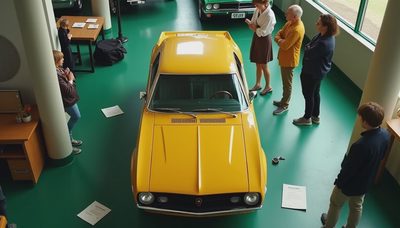
The first thing you notice is the smell—old leather, motor oil, and a faint hint of gasoline. Then the sound: a rumble that vibrates through the floorboards. For anyone who's ever stood in a dusty garage next to a 1967 Mustang or a 1955 Porsche 356, the question isn't whether you want it—it's what it's worth. Understanding **classic car values** is part art, part science, and entirely dependent on a handful of key factors. Whether you're looking to buy, sell, or simply daydream, here's how the market prices these rolling pieces of history.
The Key Factors That Shape Classic Car Values
**Condition** is king. A car that has been meticulously restored to showroom condition will command a far higher price than a driver-quality or project car. The classic grading system—Concours, Excellent, Good, Fair, and Poor—is the starting point. A Chevrolet Corvette from 1963 in Concours condition might fetch $150,000 or more, while the same car in fair shape could be under $30,000. **Rarity** matters, too. Limited production models, special editions, or cars with unique options (like a 1969 Camaro ZL1) often see a premium because collectors are willing to compete. Originality is another layer: numbers-matching engines, factory paint, and unmodified interiors add to the value. The classic car values for a numbers-matching car can be 20-30% higher than a clone or modified version.
Provenance—the car's history—can also boost value significantly. A vehicle owned by a celebrity, featured in a film, or raced by a famous driver carries stories and authenticity that collectors pay for. For example, the 1971 Plymouth Hemi 'Cuda used in the classic car community's lore often commands double the typical market price because of its documented background.

How Market Trends Affect Classic Car Values
Like any asset, **classic car values** ebb and flow with demand. In the early 2020s, the market saw a surge driven by low interest rates and a boom in online auctions. Platforms like Bring a Trailer and Hemmings made it easier for buyers to bid from anywhere, pushing prices up on everything from Datsun 240Zs to Ferrari 250 GTOs. But the post-pandemic cooling has brought some stabilization. Muscle cars from the 1960s and 70s remain strong, while pre-war classics have softened slightly. A 1965 Ford Mustang Fastback might now sell for $60,000 to $100,000 depending on condition, down from a peak of $80,000 to $120,000 in 2021. European sports cars—like Jaguar E-Types—have held their value better, with good driver-quality examples hovering around $90,000.
Generational tastes also shift. Millennial and Gen X buyers are driving demand for 1980s and 1990s icons: the Ferrari Testarossa, the Porsche 911 (964), and the Acura NSX. As these cars enter collector status, their **classic car values** are climbing. The same is happening with Japanese performance cars like the Toyota Supra Turbo and Mazda RX-7. Market trends can be tracked through indices like the Hagerty Valuation Tool, which tracks insurance rates and auction results. Watching these trends helps buyers time their purchase and sellers understand when to list.

Tips for Buying or Selling Based on Classic Car Values
If you're buying, start by researching comparable sales. Look at recent auction results for the same model, year, and condition range. Don't rely solely on asking prices—sales data reveals the reality of **classic car values**. Consider getting a pre-purchase inspection from a specialist who can assess hidden issues like rust, repaint, or mechanical flaws. Joining a model-specific club or forum can provide insider knowledge on what's overpriced. When selling, presentation is everything: professional photos, a detailed history file, and a clean, detailed car can add 10-15% to the final sale price. Timing matters: spring and early summer typically see higher interest and prices.
Another practical step: get an appraisal for insurance. Many insurers require an agreed-value policy based on current **classic car values**—not the standard depreciating formula. Companies like Hagerty and Grundy specialize in these policies and can help you protect your investment. For any classic car owner, knowing the current market range ensures you don't overpay for insurance or undercover a sale.
The Big Picture on Classic Car Values
A year later, what I still think about is the story behind the car. Beyond the numbers, the true worth of any classic is the joy it brings—the weekend cruise, the thumbs-up at a gas station, the knot of pride in your chest. But if you're putting money on the line, understanding **classic car values** keeps you from emotional overspending or selling too cheap. It's a market built on passion, driven by data, and constantly evolving. So whether you're chasing a Holy Grail or just starting your collection, do your homework, trust your instincts, and never forget: the best classic car is the one that makes you look back as you walk away.
Common Pitfalls When Assessing Classic Car Values
Even experienced collectors can misjudge **classic car values**. One common mistake is overvaluing modifications. Aftermarket parts like custom wheels or a modern stereo rarely add value and may even hurt saleability if they're not reversible. Another pitfall is ignoring market cycles—buying at the peak of a bubble can leave you underwater when trends shift. Always compare to recent sold prices, not asking prices. Also, don't neglect professional appraisals; a certified expert can spot hidden rust or non-original parts that drastically affect worth. Finally, beware of emotional attachment—paying too much because you fell in love with the color or the model's history. By avoiding these errors, you'll make smarter decisions and align your expectations with true **classic car values**.