Key Takeaways
Conventional hybrids now claim roughly 15–17% of new U.S. light-vehicle sales and are the clearest growth story after the federal EV tax credit expired.
Battery-electric vehicles have settled near 6–7% share, with Tesla still dominating but overall volumes down sharply from 2025 peaks.
Pure gasoline and diesel vehicles still account for the large majority of sales—especially full-size pickups—yet their share continues a long, slow decline.
Higher pump prices (national average hovering near $4.00–$4.15) have accelerated the shift toward efficiency without forcing buyers into pure battery cars.
For most American households the practical sweet spot in 2026 is a well-executed hybrid; pure EVs remain excellent for specific use cases, while gas trucks stay essential for heavy work and certain lifestyles.
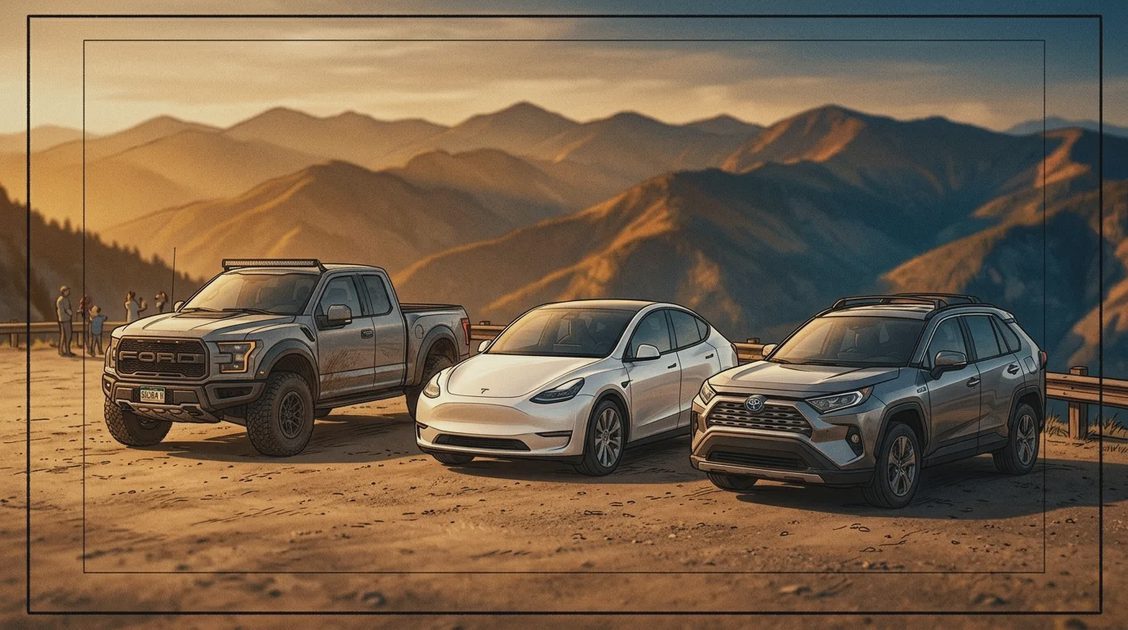
Last week I was sitting in a borrowed Toyota RAV4 Hybrid on a dirt overlook west of Boulder, engine off, watching the Front Range turn the color of old brass. The only sound was wind moving through the pines and the occasional tick of cooling metal. In the rear-view mirror sat an older F-150 that had followed me up the switchbacks, and somewhere farther down the canyon a Model Y was silently climbing. Three powertrains, three different relationships with distance, cost, and the road itself. That scene is the entire American car market right now, distilled into one dusty parking pad.
After the federal clean-vehicle tax credit vanished at the end of September 2025, the market did not simply pause—it rearranged itself. Hybrids, once the polite middle child of the electrification story, suddenly became the main character. Pure electrics lost their government-sponsored tailwind and settled into a smaller, more realistic share. And the big gasoline trucks? They never really left. They just kept selling while everyone argued about the future.
What follows is less a prediction than a field report from the middle of the transition: hard numbers, the vehicles actually moving off dealer lots, and the kinds of people who should—and should not—be choosing each powertrain in late 2026.

The Gasoline Holdouts: Still the Volume Kings
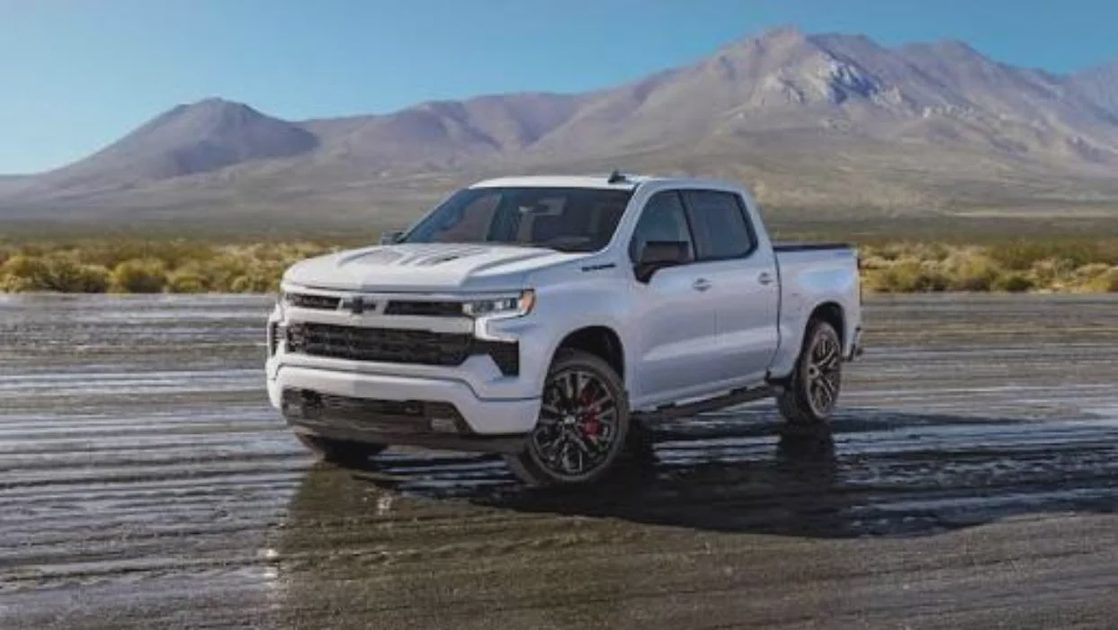
Walk any dealer lot in the Mountain West or the South and the story is written in sheet metal. Full-size pickups remain the gravitational center of American new-vehicle sales. The Ford F-Series continues to lead the overall market, followed closely by the Chevrolet Silverado and Ram 1500. Light trucks of every description still make up the large majority of the roughly 16-million-unit annual pace the industry is tracking.
These are not nostalgia purchases. They are tools. Ranchers, contractors, boat owners, people who tow horse trailers or fifth-wheels through the Rockies—none of them are waiting for a 300-mile battery and a 45-minute charge stop. A loaded F-150 or Silverado still does things no current electric pickup can match at the same price and with the same infrastructure indifference. When gas sits near four dollars a gallon the fuel bill stings, but the capability remains non-negotiable for a large slice of the country.
That said, pure ICE is no longer the default even inside the truck segment. Ford’s Maverick Hybrid has become the best-selling hybrid pickup in America, and the F-150 PowerBoost hybrid continues to find buyers who want torque and better city economy without surrendering the gas pump. Toyota’s Tacoma and Tundra hybrids are climbing the charts for the same reason. The pure-gas versions still outsell them, but the gap is narrowing in places where fuel costs matter.
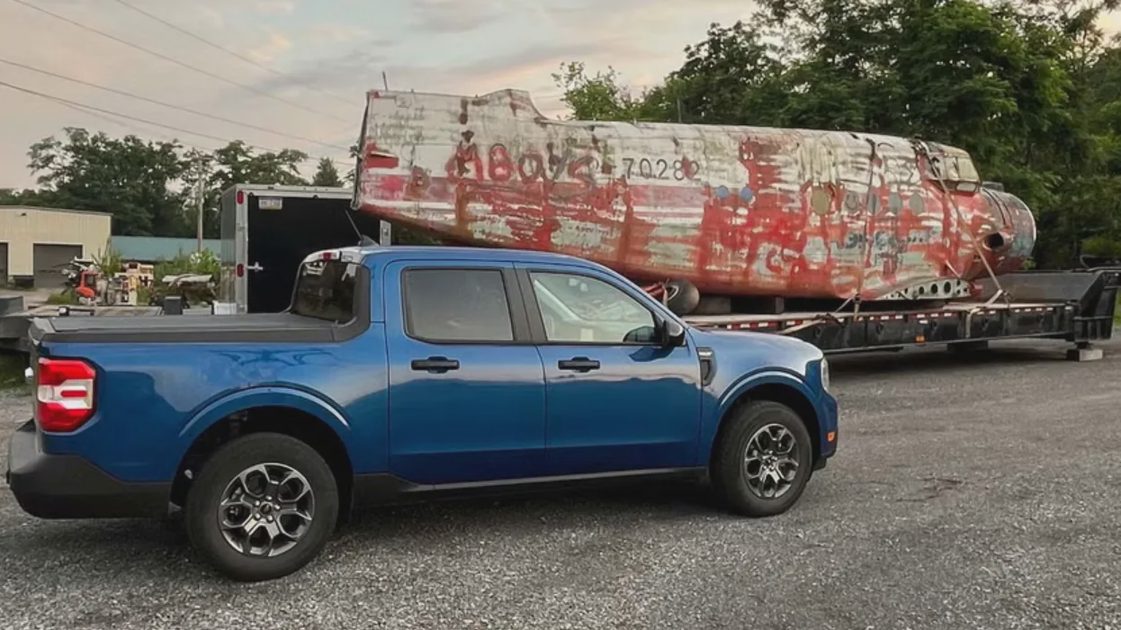
Market snapshot (late 2026): Internal-combustion vehicles still represent roughly 70–77% of new light-duty sales. Full-size pickups and large SUVs dominate the volume leaders. Seasonally adjusted annual rates have hovered in the mid-to-high 15-million range in recent months, with full-year expectations near 16 million units.
From a road-tripper’s perspective the pure gas truck still has one unbeatable advantage: you can fill it in ten minutes in the middle of nowhere and keep going. That matters when the next charging plaza is fifty miles of two-lane behind you and the weather is turning.
The Electric Reality Check
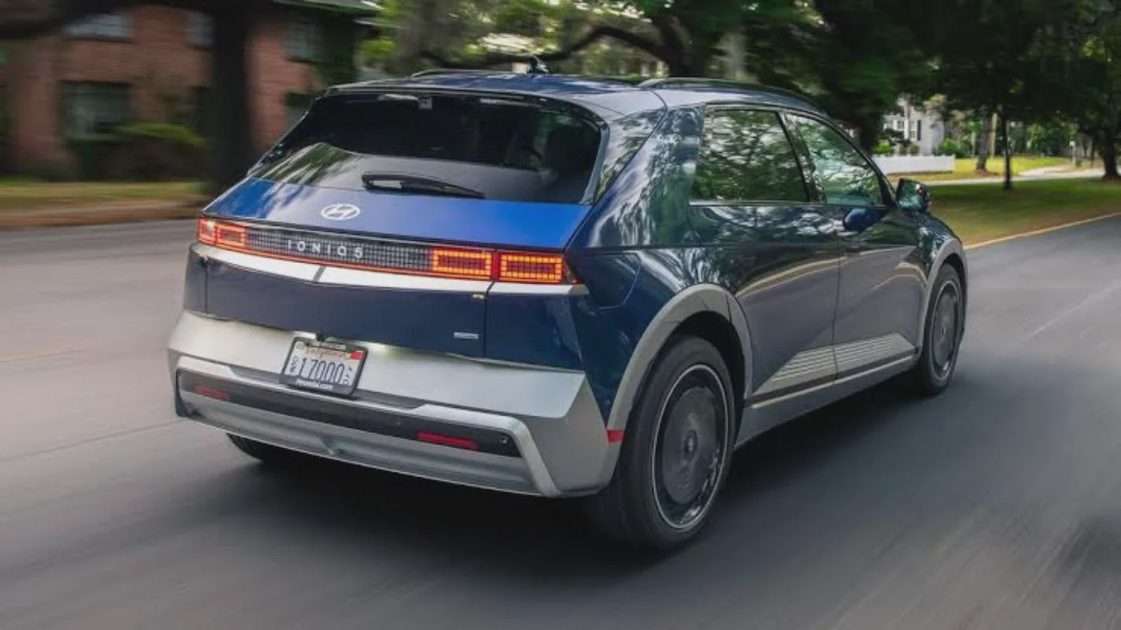
The pure battery-electric market in 2026 feels like the morning after a long party. The federal $7,500 tax credit that juiced demand through mid-2025 is gone. Sales of battery-electric vehicles have fallen to roughly 6–7% of the new-vehicle market—down from peaks near 10–12% in the final months of the credit era. Tesla remains the dominant force, with the Model Y and Model 3 together accounting for the majority of pure-EV volume. Rivian has climbed into second place among brands on the strength of its commercial vans and the new R2, while Hyundai’s Ioniq 5, Toyota’s bZ, and a handful of others fight for the remaining oxygen.
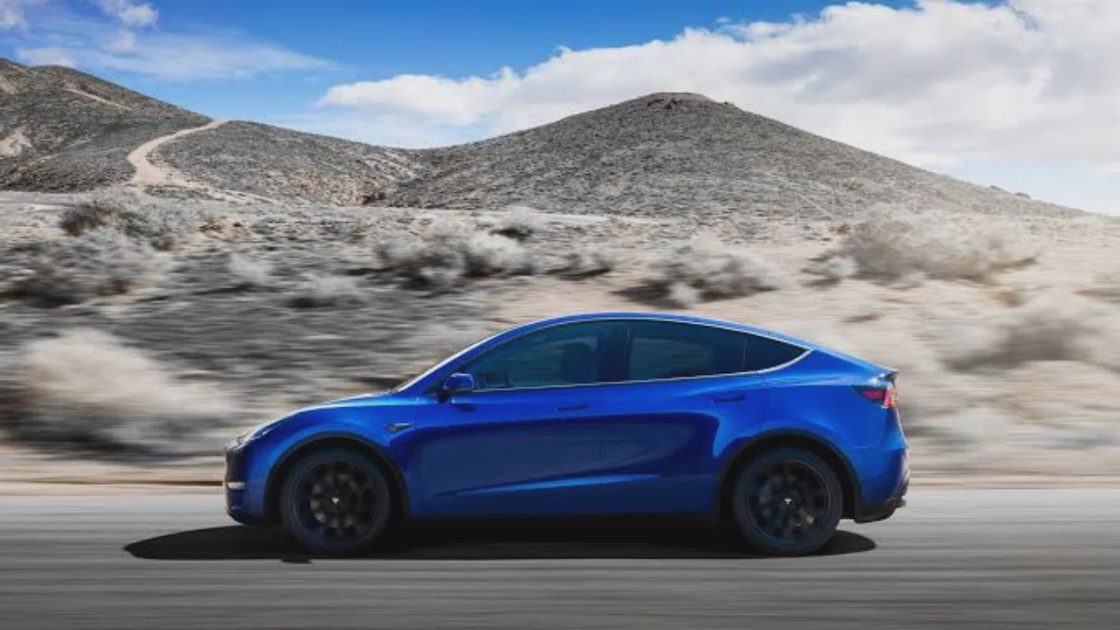
The silence of an EV on a mountain road is still seductive. Instant torque, low center of gravity, the absence of gear shifts—these things matter when you are carving canyon roads or simply commuting in stop-and-go traffic. Running costs can be dramatically lower if you charge at home on a reasonable electricity rate. And for households that rarely leave the urban/suburban grid, a well-chosen EV is often the most rational daily driver available.
But the limitations are no longer theoretical. Range anxiety has been replaced by infrastructure anxiety and residual-value anxiety. Public fast-charging reliability remains uneven outside major corridors. Cold-weather range loss is real. And without the tax credit the purchase-price gap versus a comparable hybrid or efficient gas vehicle is harder to ignore for many buyers. Used EV prices have softened as the first wave of lease returns and early adopters trade in, which is good news for second owners but a cautionary note for new-car buyers focused on total cost of ownership.
“The EV is no longer the inevitable future that arrives on schedule. It is a specialized tool that happens to be excellent for certain lives and mediocre for others.”
I have spent weeks in various pure electrics this year. The ones that work best for me are the ones I treat like appliances rather than adventure vehicles: city driving, predictable daily routes, home charging. The moment the itinerary includes remote public lands or multi-day loops through the desert, the calculus changes.
The Hybrid Surge: America’s Practical Compromise
If there is a single story of 2026, it is the hybrid. Conventional (non-plug-in) hybrids have climbed to roughly 15–17% of new light-vehicle sales—record territory—and in some recent quarters have been the only electrified segment still growing in share. The combined electrified total (hybrids + BEVs + plug-in hybrids) sits in the mid-20% range, almost entirely because of hybrid strength.
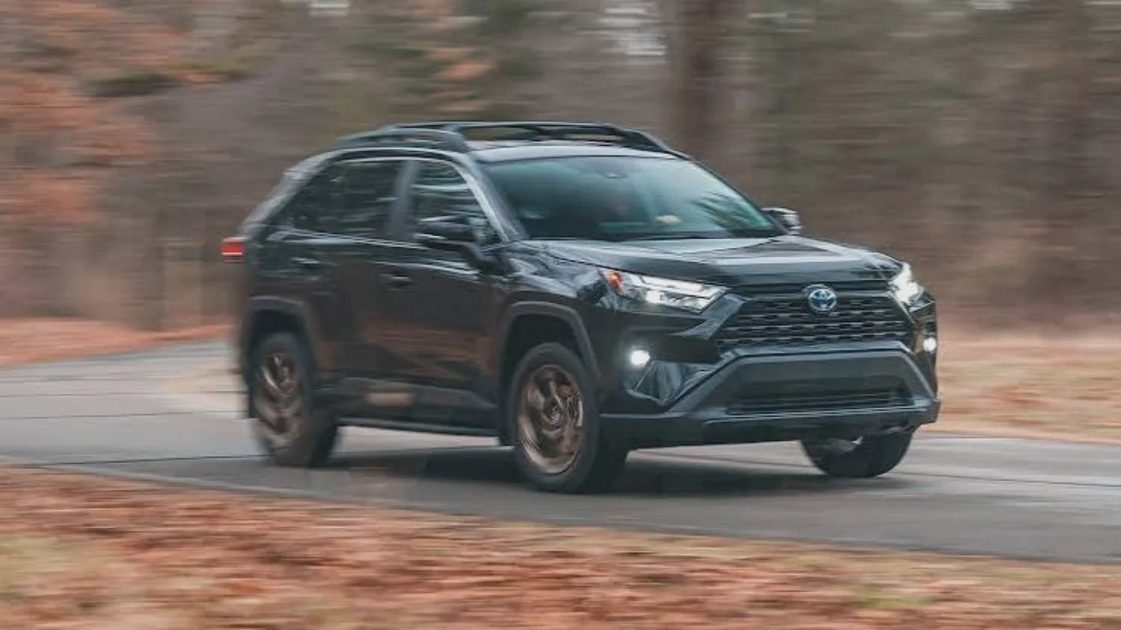
Toyota continues to own the category, with the RAV4 Hybrid, Camry Hybrid (now essentially hybrid-only), Sienna, and various others forming a formidable portfolio. Honda’s CR-V Hybrid frequently accounts for more than half of that model’s sales. Hyundai and Kia have poured volume into Santa Fe, Tucson, Sportage and Palisade hybrids. Ford’s Maverick Hybrid and F-150 PowerBoost give American buyers efficient options inside the truck segment they already love. Even General Motors, long the pure-EV evangelist among the Detroit Three, has publicly pivoted and is preparing hybrid versions of its three-row SUVs.
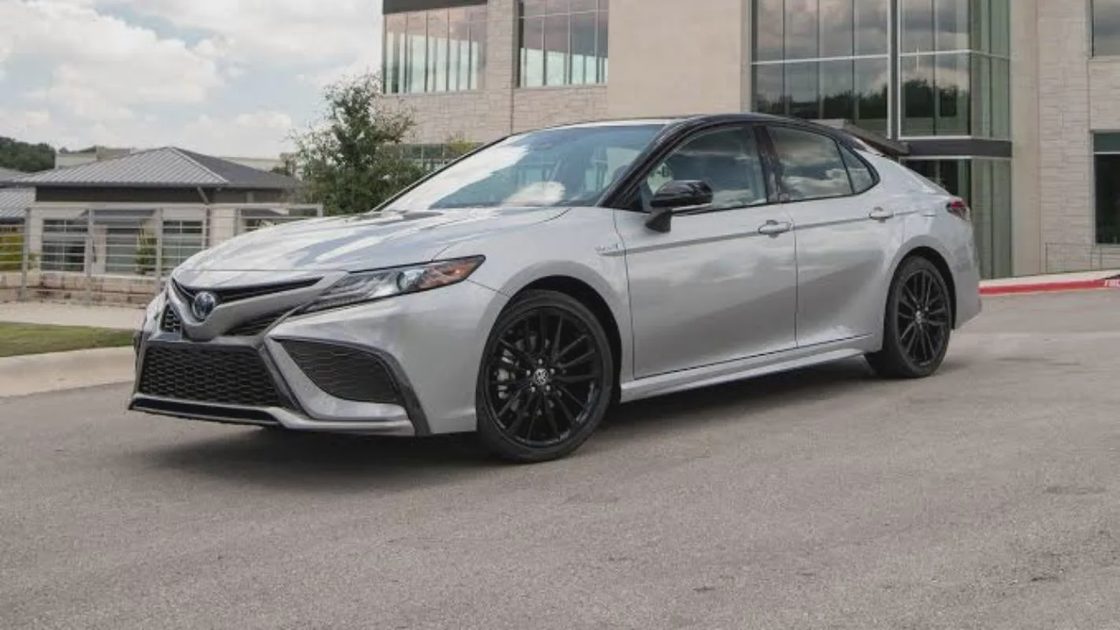
Why the sudden love affair? Because hybrids deliver most of the efficiency benefit without asking buyers to change their behavior. You still pull up to any gas station. You still get 400–600 miles of real-world range. You still have a conventional powertrain architecture that dealers and independent shops understand. At the same time you gain meaningful fuel savings—especially in the city and in traffic—and the quiet electric assist that makes the vehicle feel more modern. When regular gasoline sits near four dollars a gallon, those savings are no longer abstract.
Hybrid momentum: Multiple independent trackers (EIA/Omdia, Cox Automotive, Urban Science, NADA) place conventional hybrid share in the mid-teens and rising. Toyota still leads the segment by a wide margin, but Honda, Hyundai/Kia and Ford are gaining share rapidly. Plug-in hybrids remain a small and currently shrinking slice of the market.
On a recent three-day loop through southern Colorado and northern New Mexico I averaged mid-40s mpg in a RAV4 Hybrid while still having enough ground clearance and cargo space for camping gear. The same trip in a pure EV would have required careful charging planning and at least one compromised overnight stop. In a pure gas version of the same vehicle I would have spent noticeably more at the pump and gained nothing in capability. That is the hybrid’s quiet power: it removes friction from the decision.
Who Should Buy What in Late 2026
The right answer is almost never “everyone should buy X.” It depends on how you actually live.
Choose a pure gasoline (or diesel) vehicle if:
You regularly tow heavy loads, haul construction materials, or need maximum payload.
Your driving is predominantly long highway miles in remote areas with sparse charging.
You already own the supporting equipment (trailers, campers, tools) sized for traditional trucks.
Purchase price and simplicity of repair network matter more than fuel economy.
Best current examples: Ford F-150 (gas), Chevrolet Silverado, Ram 1500, Toyota Tacoma (gas versions still widely available). These remain the default tools for serious work.
Choose a pure battery-electric vehicle if:
You have reliable home (or workplace) charging and a predictable daily radius under ~200 miles.
You value silence, instant torque, and low energy cost more than maximum range flexibility.
You live in a region with decent public fast-charging density or you rarely need it.
You are comfortable with higher upfront cost in exchange for lower operating cost and strong acceleration.
Best current examples: Tesla Model Y (still the volume leader and most complete package), Tesla Model 3, Hyundai Ioniq 5, Rivian R2 for those who want adventure capability in a smaller footprint. For commercial or fleet use the Rivian delivery vans have proven surprisingly strong.
Choose a conventional hybrid if:
You want meaningful fuel savings without changing how or where you refuel.
Your driving mix includes city/suburban traffic where hybrids shine.
You take occasional longer trips but still want 400+ miles of range and universal infrastructure.
You prefer a vehicle that feels modern and efficient yet remains familiar to any mechanic.
Best current examples: Toyota RAV4 Hybrid, Honda CR-V Hybrid, Toyota Camry Hybrid, Ford Maverick Hybrid, Hyundai Santa Fe or Tucson Hybrid. These are the vehicles quietly winning the middle of the market.
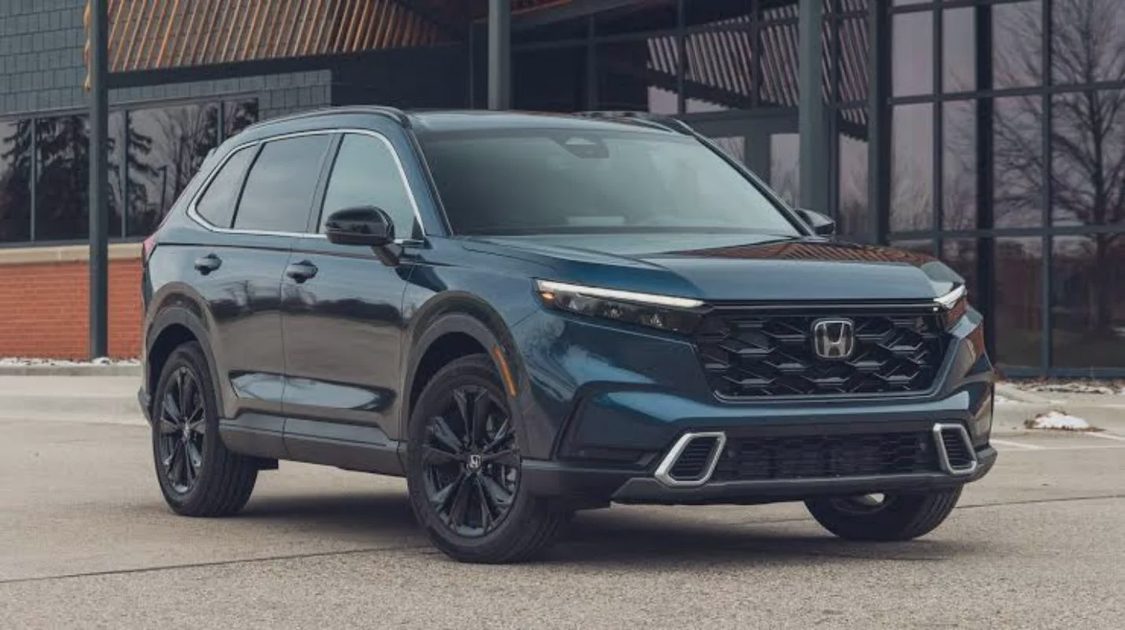
There is also a smaller but important group who should look at plug-in hybrids: people who can charge at home most nights and still want a gas safety net for longer trips. The PHEV share has actually declined since the tax credit ended, but the use case remains valid for certain households.
A Few Specific Recommendations from the Road
After living with dozens of these vehicles this year, a few stand out as particularly well-judged for real American driving in 2026.
For the family that does a bit of everything
Toyota RAV4 Hybrid. It is not the most exciting machine on the planet, but it is the one that most consistently disappears into the background while delivering 40+ mpg, available all-wheel drive, and enough space for kids, dogs, and weekend gear. The Honda CR-V Hybrid is a very close second and often feels a touch more refined on the highway.
For the person who still needs a truck but hates the fuel bill
Ford Maverick Hybrid. Compact, efficient, surprisingly capable for light towing and hauling, and priced in a range that still feels attainable. The F-150 PowerBoost is the choice when you need the full-size platform.
For the committed electric convert with home charging
Tesla Model Y. The charging network advantage is still real, the software continues to improve, and the packaging remains excellent. If you want something less common, the Hyundai Ioniq 5 offers a more distinctive design and strong real-world efficiency.
For pure capability and residual strength
A well-equipped gas F-150 or Silverado if your work demands it. These trucks hold value and can be kept for a decade or more with straightforward maintenance.
I still keep a modified older performance wagon as a project car—something that makes the right noises on empty canyon roads at dusk. But for the long hauls, the overnight camping trips, and the weeks when the only plan is “point west and see what happens,” the hybrid has become the default in my mental garage. It asks the least of the infrastructure and the least of my attention while still rewarding careful driving with lower costs.
The Road Ahead
None of this is permanent. Battery costs will continue to fall. Charging networks will densify, albeit unevenly. New federal or state incentives could reappear. Automakers that under-invested in hybrids (looking at you, certain Detroit brands) are now scrambling to catch up, which should bring more choices and better pricing in the next two model years.
Yet the 2026 market has delivered a useful corrective. Electrification is not a single switch that flips for an entire country. It is a spectrum of solutions that map onto different lives, different geographies, and different relationships with distance. The pure gas truck remains essential for some. The pure EV is excellent for others. And for the large, practical middle—the people who simply want to get there without drama or excessive cost—the hybrid has become the most honest answer the industry is currently offering.
Next month I’m taking a long loop through Utah and northern Arizona. The RAV4 Hybrid is already booked. I’ll pack the usual: camera, sleeping bag, a good bottle of something for the nights when the desert goes quiet. The fuel door will open at the same pumps it always has. The electric motor will do its quiet work in the background. And somewhere between the red rock and the next ridgeline I’ll remember why the middle path sometimes feels like the most American one of all.