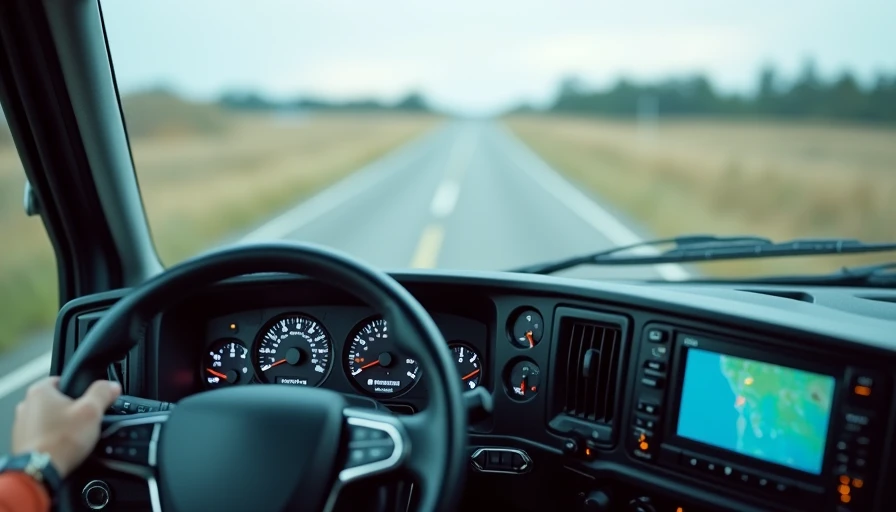
At dawn, before the freeway fills up and the coffee turns from smell to necessity, driving an rv feels like piloting a small apartment through a very public hallway. You notice the height first, then the mirrors, then how every soft object in the cabin wants to become a project when the road gets rough. That is why the best trips start before the engine does. I like a slow breakfast, a good map on the passenger screen, and a short checklist that keeps the first hour calm. Once that rhythm is set, the rest of the trip stops feeling like a test and starts feeling like travel.
Start with the rig, not the route
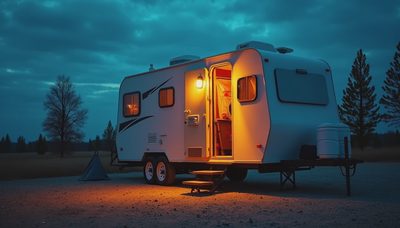
People love to plan the scenic part of the trip first, but driving an rv gets easier when you choose the right rig for the roads you actually want to use. A compact Class C or a campervan is friendlier on narrow streets and older campground loops than a big Class A. A towable trailer can work well too, but only if the driver is comfortable with backing, turning radius, and the extra length hanging off the hitch. Before you book anything, ask about height, length, propane, water capacity, and whether the vehicle has a rear camera and working dash AC. That sounds basic, but basic is what keeps the day from unraveling on the first uphill grade.
The detail that made the trip: a friend once rented a 25-foot coach from Cruise America and discovered that the real stress was not the highway, it was the fuel island afterward. Bigger rigs are fine when you expect them to be big.
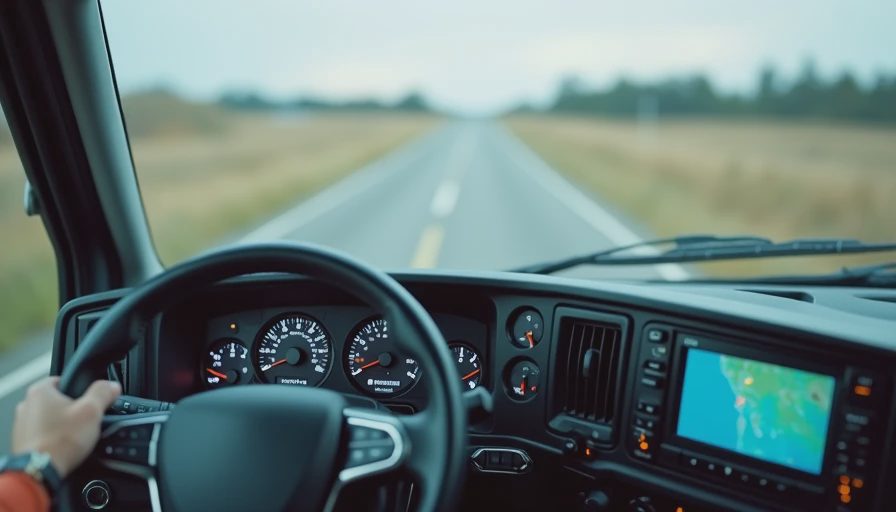
The first hour teaches the whole trip
Once you pull out, the first hour is where confidence gets built or broken. Set the mirrors before you leave the lot, not at the first red light. Adjust the seat so your shoulders are relaxed and your knees are not locked. Leave more following distance than you would in a sedan, because stopping distance is simply different when the vehicle weighs several tons and carries your luggage, your food, and maybe half your kitchen. I also like to keep the first day short: two or three hours of driving, then a long lunch, then a campground or hotel check-in before sunset. That is when you still have energy for the dump station, the hookups, and the one drawer that always slides open on its own.
Skip the obvious thing. Do this instead: learn the turning sweep in an empty parking lot before you try to thread through a crowded gas station. Ten minutes of practice can save you from a scrape that costs far more than the tank of fuel.
Parking is half the trip
If driving an rv is about movement, parking is about manners. Arrive before dark if you can. Campgrounds are easier to read in daylight, and a pull-through site feels like a small luxury after a long day. If you are backing in, ask for a spotter and use hand signals, not a shouted play-by-play over an idling engine. At many state parks and private campgrounds, the tightest challenge is not the site itself but the road leading into it: low branches, blind curves, and neighbors who packed a picnic table into the exact angle you need to turn.
This is where apps such as The Dyrt or Campendium can help you compare photos, road access, and recent reviews before you commit. For a first trip, a site with full hookups is worth the extra $20 to $40 if it means you sleep better and leave with a cleaner tank plan the next morning.
Budget for the unglamorous stuff
Fuel gets the headlines, but the real budget lives in the unglamorous line items. Gas-powered motorhomes often return something like 6 to 10 mpg, while a lighter campervan or diesel rig can do better on the highway. That is a wide range, which is exactly why a route with fewer mountain passes and fewer unnecessary detours can save real money. Campground fees can run from about $40 at a basic private park to well over $100 in popular places with more amenities. Add propane refills, tolls, and the occasional laundromat stop, and a week on the road can move faster than you expect.
I also keep a little cushion for tires, oil changes, and brake wear. Those are not glamorous expenses, but they matter more when the vehicle is heavier than anything most drivers own.
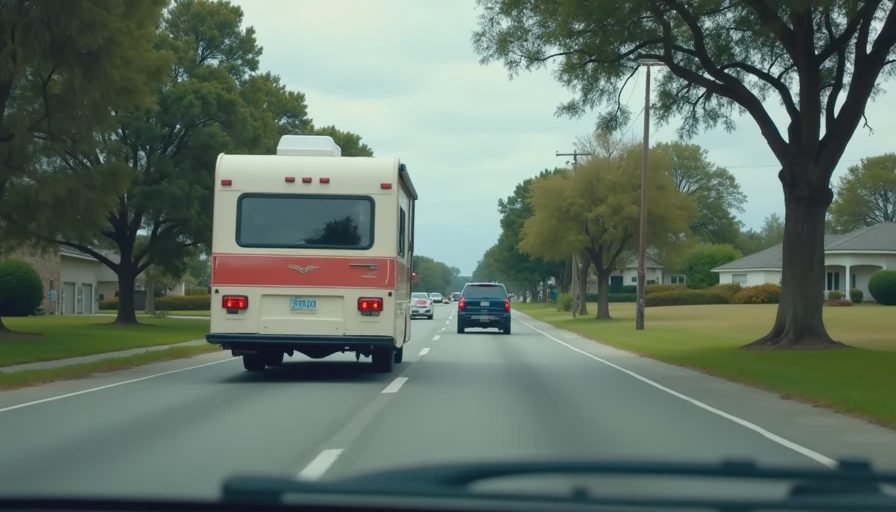
Comfort is a driving skill, not a luxury
A good trip can still go sideways if the driver waits too long to rest. I treat food and water like part of the route plan, not a reward at the end of it. That means a cooler with fruit, cut vegetables, cheese, and something salty enough to make you want another glass of water. It also means choosing a lunch stop with actual parking, not the place with the best reviews and the worst access road. When I am on a long stretch, I want one clean coffee, one real bathroom break, and a meal that does not leave me sleepy for the next two hours.
This is the part of driving an rv that feels closest to good travel writing: the pace changes your attention. You start noticing diner signs, orchard stands, and county roads that never make it into glossy guides. The road stops being a blur and becomes a sequence of decisions you can make well.
Rent once before you buy anything
If you are considering a purchase, rent first. A weekend in a borrowed rig will tell you more than a month of internet research. You will learn whether you hate setting up hoses, whether the bed is actually comfortable, and whether a 30-footer fits your patience. Rental platforms such as Outdoorsy and RVshare can be a smart way to compare sizes and layouts without making a six-figure commitment. If you already own a vehicle that can tow, ask an RV dealer to explain hitch weight and payload in plain English before you sign anything.
And if the trip is meant to be relaxing, build the route around that goal. Shorter days, better parking, and one excellent meal at the end of the drive beat heroic mileage every time. A year later, what I still think about is never the distance. It is the quiet after the engine cools, the first smell of dinner, and how driving an rv makes the whole landscape feel a little more reachable.