The first thing I notice around an old car is usually the smell: warm vinyl, faint gasoline, and the dry sweetness of sun-baked carpeting. The second is the story someone tells about it. Before you trust that story, a classic car vin lookup gives you a more practical starting point. It can help confirm what the vehicle is, when it was built, and whether the paperwork matches the metal sitting in front of you.
A vintage vehicle deserves more than a quick glance at a polished paint job. Its identification number can reveal production information, help uncover title problems, and give your insurance agent useful details. A classic car vin lookup will not replace an inspection or an appraisal, but it can prevent an expensive mistake before you arrange transport, hand over a deposit, or plan a long drive home.
Why the VIN Matters on a Classic Car
Modern VINs generally use 17 characters, but many older vehicles were built before that standard became universal. Depending on the make and year, you might find a shorter serial number, a body tag, a frame stamping, or more than one identifying mark. A 1965 Mustang, for example, may have a VIN in a visible location near the windshield and additional factory information on a door plate. A Chevrolet from the same era can present a different layout and coding system.
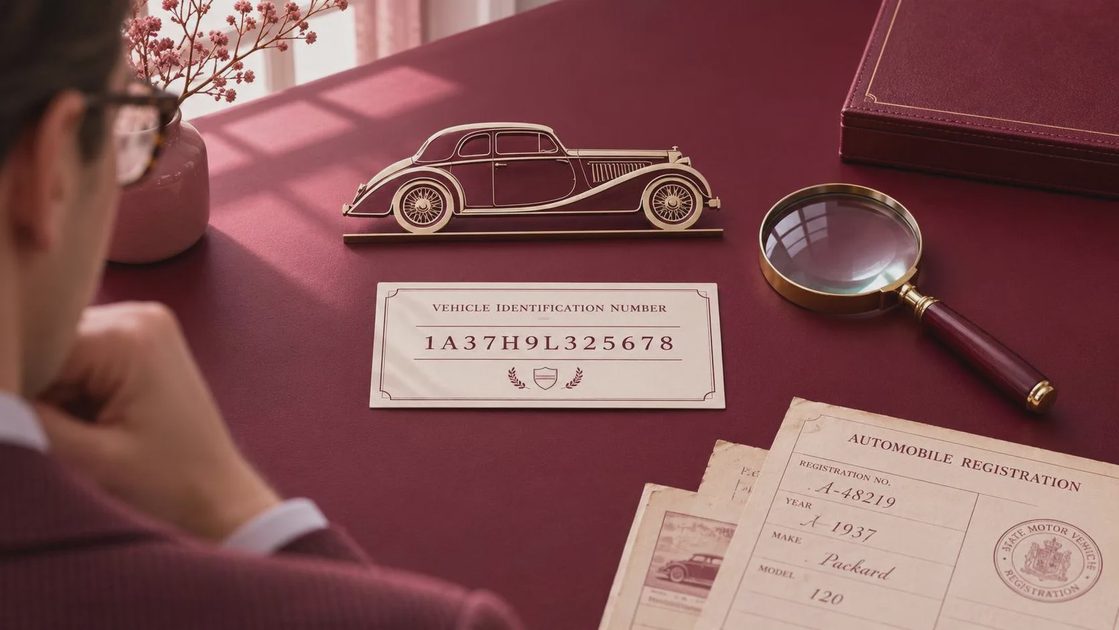
That is why a classic car vin lookup should begin with the exact number, not an assumption about how many characters it ought to contain. Photograph the plate or stamping, then type the sequence carefully. Letters and numbers can look surprisingly similar after decades of fading, repainting, or corrosion. An eight can resemble a three, while a zero may be confused with a letter O.
The search may return a build year, body style, engine information, assembly plant, or a basic market description. Treat those results as clues. Factory records, state title records, auction documentation, and brand-specific registries do not always use the same level of detail.
How to Perform a classic car vin lookup
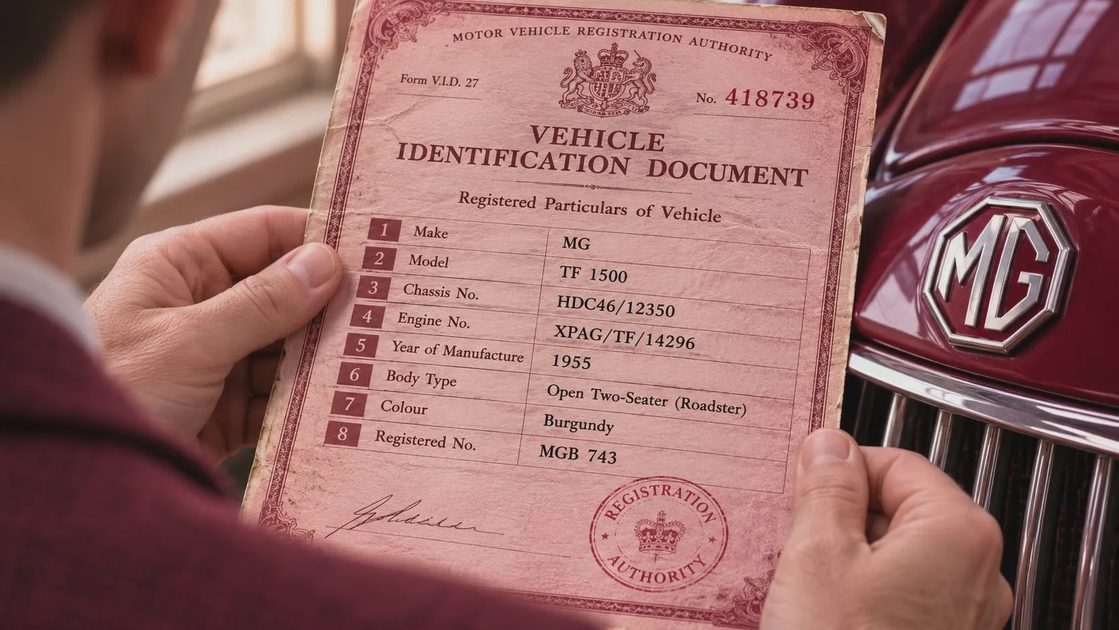
Start with the car itself. Ask the seller where the VIN appears and whether you can photograph it without removing trim. Compare the number on the vehicle with the title, registration, bill of sale, and any restoration invoices. Every character should match. A mismatch does not automatically prove fraud; a replacement body, frame swap, clerical error, or state-issued identification number can explain it. It does mean you should pause before paying.
Next, use a reputable vehicle-history provider or a state motor vehicle agency where appropriate. Some commercial services cover older cars unevenly, so an empty report is not proof that the car has a clean history. For pre-1981 vehicles, a classic car vin lookup may require searching a manufacturer registry, marque club archive, or period production database instead of relying on a standard modern report.
Look for consistency across the evidence. If the number identifies a six-cylinder model but the seller describes a factory V8, ask whether the engine was changed. That can be a perfectly legitimate upgrade, but it affects value, parts sourcing, authenticity, and insurance documentation. If the title says one year and the cowl tag suggests another, request an explanation in writing.
What the Results Can Tell You
The most useful result is often not a dramatic warning but a clearer description of the car. You may learn that a vehicle was assembled in a particular plant, delivered with a specific engine family, or built as a convertible rather than a coupe. Those details help you compare the listing with recognized production specifications.
A classic car vin lookup can also surface title brands, reported theft records, salvage history, or registration events when those records are available. A branded title does not always make a car worthless, but it changes the conversation. A restored flood-damaged vehicle, a former parts car, and a carefully repaired accident vehicle each deserve different questions and pricing.
Pay attention to gaps in the report. Classic cars often spent years in private collections, changed states before electronic reporting became common, or were registered under records that never entered a commercial database. Ask for older titles, service receipts, restoration photos, and correspondence from previous owners. A thick folder with dates, mileage notes, and parts invoices can be more revealing than a thin digital report.
Matching the Car to Its Paper Trail
Think of the investigation as a road trip with several stops. At the first stop, confirm the number on the dashboard, door pillar, frame, or firewall. At the second, compare it with the title and registration. At the third, match the body style, trim, engine, and color history with the information you found. The detail that made the trip worthwhile is the pattern: independent sources should tell the same basic story.
A classic car vin lookup is especially useful when a seller advertises a rare package or high-value specification. A 1969 Camaro described as a genuine Z28, for instance, needs more than a period-correct stripe and a loud exhaust. A buyer should request documentation supporting the claim, because replicas and tribute cars can be enjoyable without carrying the price of an authenticated original.
Inspect the VIN plate itself. Uneven rivets, fresh paint around a stamping, damaged fasteners, or a plate that looks newer than the surrounding interior deserve careful attention. Do not scrape, polish, or alter an identification mark. Photograph it as found and ask a qualified restorer or inspection professional to interpret anything suspicious.
Insurance and Value After the Search
Once the identity is reasonably clear, contact insurers that write collector or classic-car policies. Hagerty, Grundy, American Modern, and larger insurers such as State Farm may offer different approaches, eligibility rules, and usage restrictions. Some policies are designed for vehicles driven mainly to shows, club events, or occasional pleasure trips rather than daily commuting.
Ask about agreed value, mileage limits, storage requirements, spare-parts coverage, roadside assistance, and whether modern safety modifications are covered. Agreed value means the insurer and owner establish a value in advance, subject to the policy terms, rather than relying only on a depreciated actual cash value after a covered total loss. An appraisal, photographs, receipts, and a reliable identification record can support that conversation.
Your classic car vin lookup should be part of the insurance file, not the entire file. Keep scans of the title, appraisal, restoration receipts, engine photographs, and all VIN images in secure cloud storage. If the car is stolen or damaged, organized records can make a difficult claim less chaotic.
A Practical Buyer’s Check Before the Deposit
Before you send money, read the VIN aloud while another person follows the characters on the car. Confirm the title is assigned correctly and that the seller’s identity matches the paperwork. Ask whether the vehicle has ever carried a salvage, rebuilt, flood, or theft-related title. Request a cold-start inspection, an independent mechanical review, and a lift inspection if the seller permits it.
Then price the car based on what it is, not what the advertisement promises. A documented original may command a premium, while a well-built tribute can offer more driving enjoyment for less money. Compare recent sales carefully, separating concours restorations from usable road cars. A $35,000 purchase can quickly become a $45,000 project when tires, brakes, fuel-system work, transport, and insurance are added.
A classic car vin lookup is the calm, inexpensive step before those larger commitments. It brings the romantic part of the purchase back to earth without taking the romance away. Here's what you smell first, what you notice second, and what you'll remember a year from now: not just the shine in the driveway, but whether the car's story was honest from the beginning.