
The first thing I noticed in Marfa was the silence after sunset: no traffic hiss, no hotel elevator chime, just wind moving across the high desert. That kind of atmosphere is why I look for cheap travel destinations that offer more than a low nightly rate. The best places pair manageable costs with a memorable drive, a good local meal, and enough texture to make a weekend feel longer than it was.
For me, affordability starts before the map comes out. I compare total trip cost, including fuel, parking, tolls, lodging, meals, and the time required to get there. A destination with a $70 hotel room can become expensive if it requires a costly flight, a rental car, and three rideshare trips each day. Conversely, a two-hour drive in a well-maintained car can open up a small town, state park, or food region for far less.
How I Choose Cheap Travel Destinations
My first filter is access. Places within a half-day drive of a major city often have the strongest value because travelers can skip airfare and airport parking. From Los Angeles, that might mean Ojai, California, Joshua Tree, or the high desert around Pioneertown. From Chicago, it could be New Buffalo, Indiana Dunes, or a long weekend in Madison, Wisconsin. From Atlanta, Greenville, Chattanooga, and the North Georgia mountains offer very different experiences without requiring a major travel budget.
The second filter is season. Hotel prices in popular destinations can drop sharply outside peak weekends, school breaks, and major festivals. A coastal town in late spring may provide pleasant weather and open restaurants at a fraction of its summer price. Desert destinations are often easier on the wallet in winter than during the cooler fall months, while mountain towns can be surprisingly affordable between ski season and summer hiking season.
The third filter is what I will remember. A destination does not need a famous attraction on every corner. A scenic two-lane road, a regional breakfast, a local bookstore, and a place to watch the sunset can create a better trip than an expensive itinerary packed with reservations.
Road Trips That Keep the Budget Intact
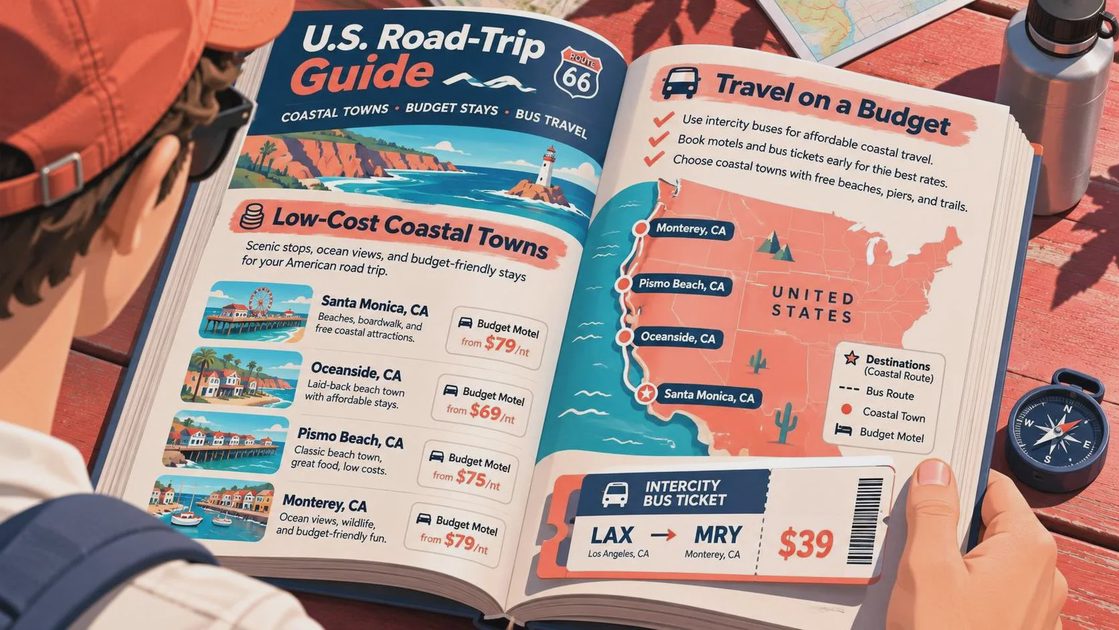
Some of the best cheap travel destinations are designed for four wheels. A road trip lets you control the schedule, bring a cooler, and stop when a roadside sign looks promising. It also makes the journey part of the experience rather than a transfer between airports and hotels.
Consider the Texas Hill Country. A loop through Fredericksburg, Johnson City, and smaller surrounding communities can combine ranch scenery, German-influenced food, antique stores, and short hikes. A couple traveling in a fuel-efficient sedan might spend roughly $80 to $150 on gas for a regional loop, depending on the starting point and vehicle. Splitting a modest motel or guesthouse can make the per-person cost more attractive than a flight to a larger destination.
In the Pacific Northwest, the Columbia River Gorge and towns east of Portland offer waterfalls, farm stands, and dramatic roads without the cost of staying downtown. In the Southeast, the Blue Ridge Parkway creates an easy framework for a long weekend, although travelers should check seasonal closures and weather before leaving. A Subaru Outback, Toyota RAV4, or similar vehicle is useful for comfort and cargo, but a smaller car is often perfectly adequate when conditions are dry.
The detail that made the trip: packing breakfast. Coffee, fruit, sandwiches, and a thermos can save $25 to $50 each day while giving you more time at a viewpoint instead of waiting for a crowded café.
Cheap Travel Destinations With Excellent Food
Food can quietly determine whether a trip feels affordable. Tourist districts often concentrate expensive restaurants, while a short drive or walk into a working neighborhood reveals better value. I look for regional specialties, lunch counters, bakeries, farmers markets, and dinner spots where the menu reflects the place rather than a generic vacation version of it.
New Orleans can be costly around major events, but a carefully timed visit can still deliver exceptional food at many price points. A filling po'boy, a plate of red beans and rice, or a morning pastry can anchor a day without requiring a $100 dinner. In Tucson, Sonoran-style food and independent coffee shops offer a strong sense of place, while nearby desert scenery creates free or low-cost activities. In San Antonio, visitors can balance one special meal with inexpensive tacos, market browsing, and walks along the river.
When comparing cheap travel destinations, I set a daily food budget before booking. For a comfortable but disciplined weekend, $45 to $75 per person can cover breakfast, lunch, coffee, and a casual dinner in many U.S. cities, though prices vary by neighborhood and season. One planned splurge makes the budget feel intentional rather than restrictive.
Lodging, Parking, and the Costs People Forget
A low room rate is only useful if the final bill stays low. Before booking, I check resort fees, parking charges, taxes, cleaning fees, and whether breakfast is included. A $110 room with free parking and breakfast can beat a $90 room that adds $35 for a garage and another $20 for morning coffee.
For cheap travel destinations near national parks or beaches, staying 15 to 30 minutes outside the headline attraction often creates the best compromise. You may lose the ability to walk everywhere, but a clean roadside hotel, simple inn, or vacation rental can reduce the nightly rate substantially. Bookings with a kitchenette are particularly helpful for longer stays: yogurt, eggs, fruit, and sandwiches can replace several restaurant meals without turning the trip into a cooking project.
Parking deserves a separate line in the budget. Downtown hotels in cities such as San Francisco, Seattle, and New York can charge substantial overnight rates, while hotels near transit or on the edge of downtown may offer better overall value. If driving a larger SUV, confirm garage height and daily limits before arrival. A surprise parking problem is a poor way to begin a weekend.
A Practical Budget for a Long Weekend
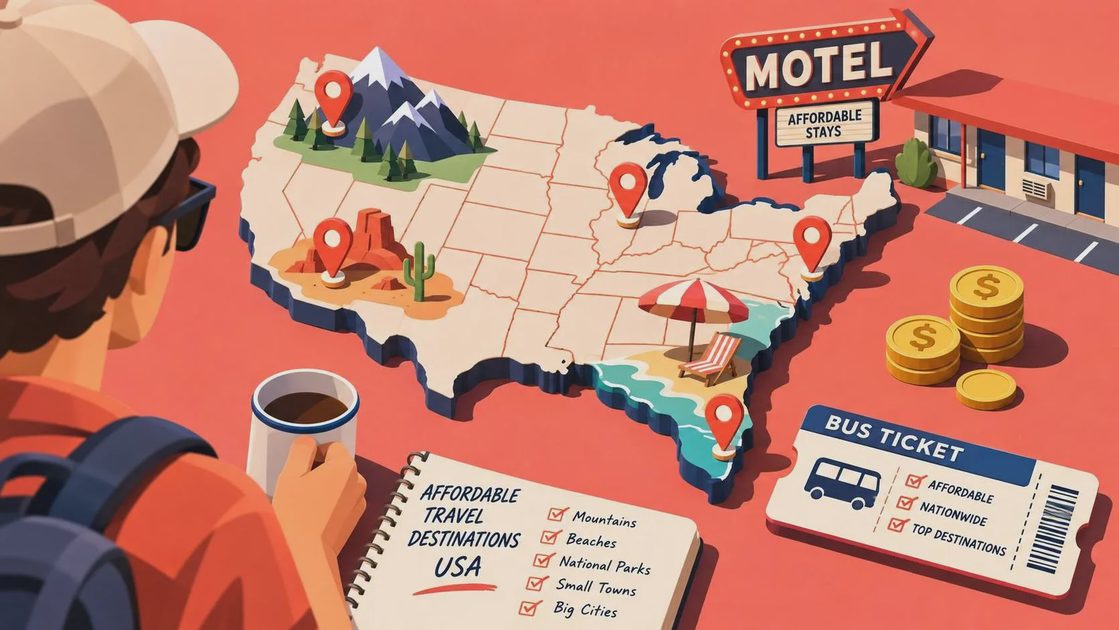
Here is the framework I use when evaluating cheap travel destinations for a three-night trip. Start with transportation: estimate fuel using the route mileage, your vehicle's real-world fuel economy, and the current local gas price. Add 10 percent for scenic detours and errands. For flights, include airport parking, checked bags, and ground transportation rather than comparing airfare alone.
Next, multiply the nightly lodging price by three and add taxes and fees. Set aside $45 to $75 per person per day for food, then reserve $50 to $150 for activities, admission, or an unexpected treat. A regional road trip for two can sometimes fit within $700 to $1,100, depending on the hotel, distance, and dining choices. That range is not a promise; it is a useful planning target that exposes expensive assumptions early.
Before leaving, check tire pressure, oil level, windshield washer fluid, and emergency supplies. Properly inflated tires can support better fuel economy, and a roadside assistance plan can be worth the annual cost when a trip takes you far from home. Make sure your auto insurance policy is current, especially if the trip includes a rental car or another driver. The cheapest destination becomes expensive quickly when preparation is skipped.
The Places I Would Put on the Shortlist
For a desert mood, look at Marfa, Bisbee, or Joshua Tree while avoiding the busiest event weekends. For food and architecture, consider New Orleans, San Antonio, or Milwaukee. For a coastal reset, compare smaller towns near the Oregon Coast, the central California coast, or the Gulf Coast rather than defaulting to the most famous resort city. For mountain scenery, Greenville, Chattanooga, and communities near the Blue Ridge offer strong value with flexible itineraries.
The best cheap travel destinations leave room for curiosity. You can take the scenic exit, order the regional dish, spend an hour in a used bookstore, or pull over because the light on the hills has changed. A year later, what I still think about is rarely the hotel discount. It is the diner pie, the empty overlook, and the feeling that the road gave me more than I expected.
Start by choosing a driveable radius, a realistic total budget, and one experience you genuinely want. Then compare two or three cheap travel destinations using the full cost, not just the advertised room or airfare. That simple process turns an inexpensive trip into a considered one—and often produces the kind of weekend you will want to repeat.