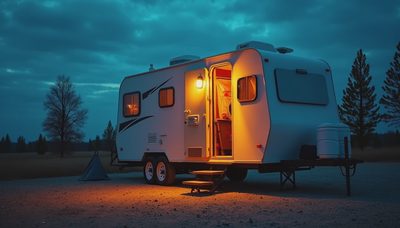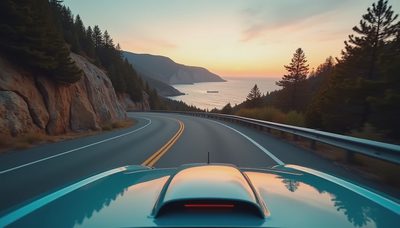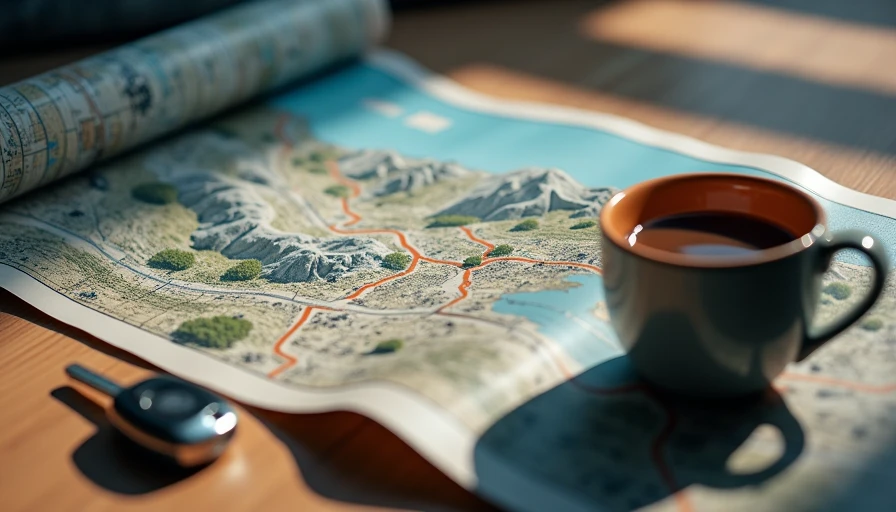
The first thing you notice on a Blue Ridge Parkway road trip is how the air changes before the scenery does. The windows fog a little at the edges, the tires hum on older pavement, and the smell is damp pine, wet stone, and coffee gone cool in the cup holder. I like that the route asks you to slow down instead of announcing itself with billboards and exit ramps. On a Blue Ridge Parkway road trip, the reward is not speed; it is the feeling that the day has room in it again.
Why a Blue Ridge Parkway road trip feels different from the interstate
This is not a place for hurrying. The parkway runs 469 miles through Virginia and North Carolina, and the 45 mph pace is part of the charm, not an inconvenience. You are looking for overlooks, tunnel mouths, long ridgelines, and the kind of curves that make you keep both hands on the wheel and your phone in your bag. The road has a way of turning a simple drive into a long conversation with the landscape.
What makes it especially satisfying is the rhythm. You go from bright open views to pockets of shade, then back out into light that changes by the minute. A short stretch can take twice as long as you think because you keep pulling over for one more photo, one more sip of coffee, one more minute with the windows down. That is the point. If you treat the parkway like a background task, you will miss the best parts.
The detail that made the trip for me was how quiet it gets once you leave the busier access roads. Even on a busy weekend, the parkway still feels calmer than a lot of scenic highways because there are no gas stations or fast-food clutter right on the shoulder. You are inside the view instead of cruising past it.
Best timing, pace, and fuel strategy
If you can choose your dates, spring and fall are the sweet spots. Wildflowers and fresh green make late spring feel especially soft, while October delivers the obvious color rush that everybody chases. I still prefer a weekday morning when possible, because the light is better and the pull-offs are less crowded. A day that starts early also gives you room to stop for lunch without watching the clock the whole time.
Fuel planning matters more than people expect. There are long sections where you will not want to hunt for a station after you commit to the parkway, so top off before you get on and do not assume a fill-up is around the next bend. A sensible day on this route is often 100 to 150 miles, not 300. That leaves space for a diner breakfast, a long overlook stop, a short hike, and still enough energy for dinner in town. A scenic drive becomes a better trip when you stop measuring it by distance alone.
What to drive when the road starts tightening up
You do not need a luxury badge to enjoy the parkway, but you do want a car that feels settled at low speeds and calm over imperfect pavement. My own favorite kind of road-trip car is something with decent ground clearance, a comfortable seat, and enough cargo space for a cooler, a weekend bag, and a layer you will absolutely end up taking off and putting back on three times. A Subaru Outback, Mazda CX-5, Honda CR-V, Toyota RAV4, or Subaru Forester all make sense here for the same reason: they are easy to live with when the road gets a little narrow and the weather changes quickly.
If you are choosing between a low sedan and a crossover, think about the whole day, not just the drive. A lower car can be lovely on smooth pavement, but the parkway has enough dips, gravel shoulders, and blind corners to make a more upright driving position useful. You will also appreciate a good set of headlights, a responsive steering feel, and brakes that do not make you second-guess a downhill descent. Fancy horsepower matters less than easy visibility and a suspension that takes the edge off rough patches.
The best car for this route is the one that makes you relaxed enough to notice the smell of the trees after rain.
Where to eat without turning the day into a scavenger hunt
Food on this route works best when you stop trying to solve it like a puzzle. Pick one town for a real meal, then let the rest be simple: a biscuit in the morning, a sandwich from a market, a pastry you did not plan on, or a late lunch when parking is easier. Asheville has plenty going on, but you do not need to turn every stop into a reservation. Small towns along the route usually reward the person who is willing to eat at odd hours and order the straightforward thing.
That usually means breakfast with strong coffee, a lunch that travels well, and a dinner that feels earned after a few hours in the car. Think barbecue, trout, soup, burgers, pie, or a bakery case with one item that looks better than everything else. The road trip gets better when the food is part of the rhythm instead of a separate mission. Skip the obvious thing. Do this instead: save the long sit-down meal for the end of the day, when you can actually enjoy it, and keep a cooler stocked with water, fruit, and something salty for the ride.

Insurance and prep for a Blue Ridge Parkway road trip
For a Blue Ridge Parkway road trip, I want coverage that feels practical before it ever feels exciting. That means solid liability limits, comprehensive coverage for deer strikes and windshield damage, collision if I misjudge a tight bend or scrape a hidden hazard, and roadside assistance that includes towing, flat-tire help, and lockout service. Mountain roads are beautiful, but they are not gentle on glass, tires, or patience, and a tow from a remote overlook can cost a lot more than people expect.
A deductible deserves attention too. A $500 deductible is usually easier to live with than a $1,000 one if you end up dealing with a cracked windshield or a tire issue far from home. Rental reimbursement can also be worth checking if your car would need a day or two in the shop after the trip. For a Blue Ridge Parkway road trip, the smartest prep is boring prep: make sure your tire tread is good, your spare is usable, and your policy still fits the kind of driving you actually do.
The detail that made the trip
A year later, what I still think about is not a summit selfie or a perfect overlook, but the small sequence of the day: the sound of gravel under the tires, a warm pastry in the passenger seat, and that moment when the ridge line finally opens up after a long stretch of trees. That is what gives the route its staying power. It feels like a road built for people who want the drive to be part of the vacation, not just the way you get there.
If a Blue Ridge Parkway road trip is on your calendar, get the car checked, compare your insurance before you leave, and plan for more time than you think you need. Then let the road do what it does best: slow you down, feed you well, and leave you with a day that still feels good when you remember it months later.