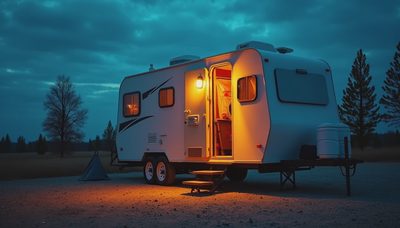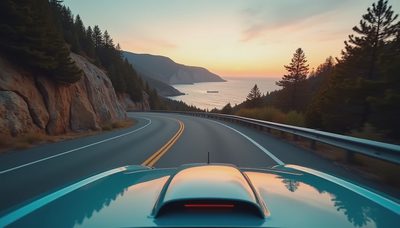
Here's what you smell first on a good road trip: rest-stop coffee that's been sitting too long, the clean heat of asphalt, the faint pine of a mountain pass. What you notice second is the map. And what you'll remember a year from now isn't the route itself. It's how the best route planning made space for the unplanned.
That's the detail that made the trip for me. I've spent years writing about travel and cars, and I've mapped hundreds of trips from the driver's seat of a 2019 Subaru Outback I call the office on wheels. The best route planning isn't about shaving off twenty minutes. It's about shaping a day so the detours, the diners, and the surprises are already part of the plan.
Why Best Route Planning Starts With the Destination
Most drivers open Google Maps, type an address, and hit Go. That's not route planning — that's navigation. Real planning starts before the address exists, with a question: what do we want the day to feel like? A driver heading from San Francisco to Los Angeles can take the 101 and see fields of garlic near Gilroy, or Highway 1 and spend six hours hugging cliffs above the Pacific. Same endpoints, completely different trip.
The best route planning gets specific about what you're seeking. If you're chasing a perfect bowl of clam chowder, you're not just routing to Bodega Bay — you're routing to the restaurant that closes at 3pm, which means leaving before traffic builds. If you're testing a sports car, you're looking for winding secondary roads, not interstate. That level of intent separates a good route from a great one.
For a recent Northern California drive, I built the whole day around a pie place that stops serving at 11am. The route existed to get me there.
The Tools I Actually Use for Best Route Planning
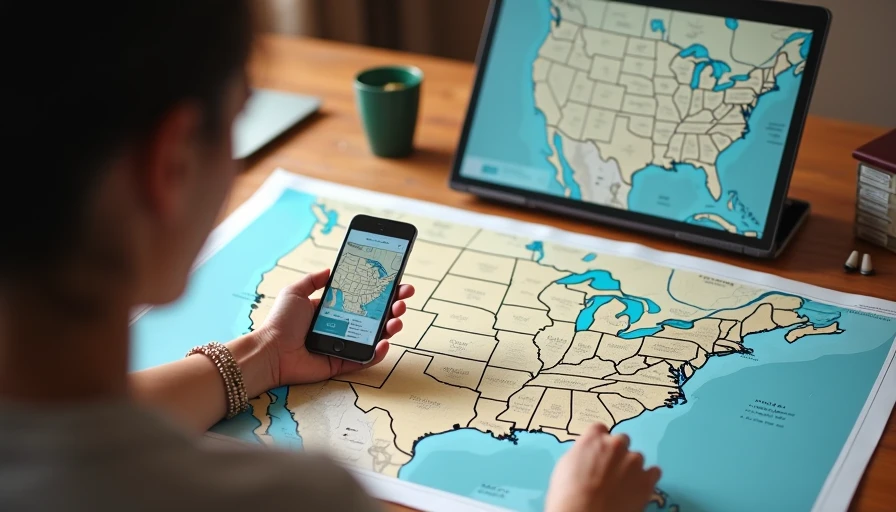
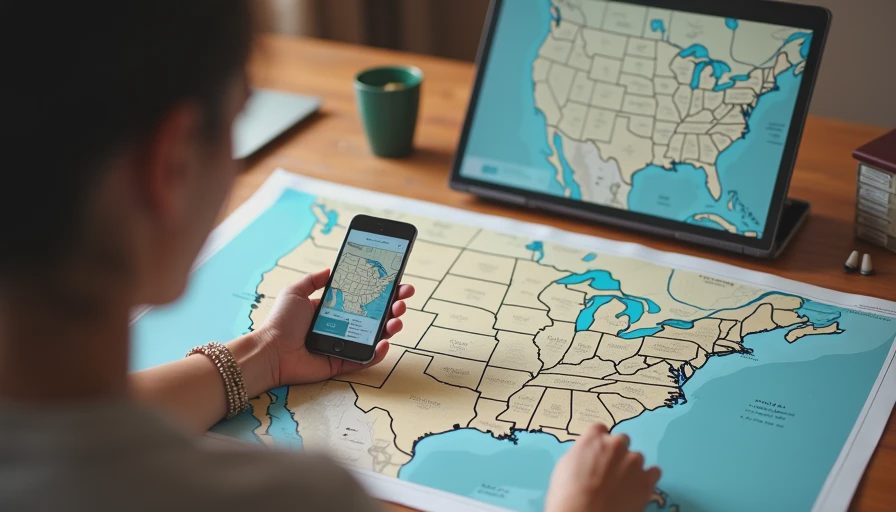
I test route planning tools the way other people test restaurant recs — obsessively. For most trips, I start with a sticky note and a pencil. Then I move to digital helpers that each solve a different problem. Google Maps is still the fastest way to check traffic and find an ETA, but it's terrible at telling you what's worth stopping for. Roadtrippers layers scenic points and quirky attractions onto your route, and you can drag the line to include them. Furkot handles multi-day routing by letting you set a daily driving budget and suggesting overnight stops. And for the pure pleasure of unfolding paper, I print a AAA TripTik.
The best route planning doesn't have to happen in a single app. In fact, it's better when it doesn't.
How I Route a Full Day on the Road
When I'm building a day from scratch, I set the non-negotiables: a must-see viewpoint, a must-eat lunch spot, a must-fill gas station if the tank is small. Then I connect those dots with the map, not the other way around. I often type the lunch spot into the app first, then the viewpoint, then the final destination — letting the route plan emerge from the stops rather than the speed.
This is where the human element matters. A good co-pilot is worth more than any app. My partner handles music and facts; I handle the map and the stops. When the phone says "take the next exit," that's just data. Good planning knows whether the exit leads to a roadside fruit stand worth the extra twenty minutes.
The Food Stop Rule
No Sarah Chen road trip is complete without a food stop, and I have a rule: never eat at a chain when a local diner is within a mile of the route. This sounds simple, but it changes the route in real time. I've driven an extra ten miles off the interstate for a bowl of green chili in New Mexico, and I'd do it again. Great route planning treats lunch as a destination, not a refueling break.
Before you go, check the hours. A diner that closes at 2pm will wreck your whole afternoon if you arrive at 2:30. Make a habit of adding a time window to each stop in your head — not in the app, because most apps don't let you schedule a pie — but in the plan itself.
What to Do When the Plan Falls Apart
Every road trip has its moment of failure. A construction zone, a closed pass, a diner that's unexpectedly dark on a Tuesday. Strong route planning always includes a Plan B. For me, that's a paper map in the door pocket and a willingness to ignore the phone's recalculating voice. Sometimes the GPS offers a fifty-mile detour when a smaller road is right there.
Keep your overnight plan flexible. Book a hotel that allows free cancellation until 6pm, so you're not handcuffed to a reservation if the day goes sideways.
A Final Checklist for Best Route Planning
A year later, what I still think about on any good trip is the shape of the day: the morning climb, the afternoon coast, the evening stretch. To get there, I run a short checklist before I leave the driveway.
Start with the destination, then the stops. Set a morning departure time that accounts for coffee. Verify the hours for any food stop. Note the last gas station before a long stretch. Share the route with someone at home. And leave one open hour for the thing you saw on a whim — because good planning is ultimately a plan that leaves room for being wrong.
The Bottom Line
The best route planning isn't a feature of an app. It's a habit of mind. It begins with curiosity about the places between your starting point and your destination, and it ends with a road that feels like it was made for you. Start with the pie. Let the map follow.