The first thing you notice on scenic drives in Colorado is the light: thin, bright, and somehow closer than it was at breakfast. Then comes the smell of pine warmed by the sun, followed by the quiet that settles over the cabin when the road climbs above the trees. Colorado is unusually generous to drivers, with high passes, red-rock canyons, alpine lakes, and small towns connected by roads that reward patience more than speed.
I like a route that gives the driver something to do besides stare at the navigation screen. The best journeys have changing pavement, a worthwhile stop, and a meal or coffee waiting at the other end. Before leaving, download maps, check road conditions, and fill the tank. Mountain weather can shift quickly, and a route that is easy in July may be closed or snow-covered in another season.
Trail Ridge Road: The big alpine view
Trail Ridge Road through Rocky Mountain National Park is one of the most memorable scenic drives in Colorado. The road rises from Estes Park toward the park’s high country, eventually crossing open tundra where trees disappear and the horizon seems to widen in every direction. Pullouts are frequent, but the road is exposed, narrow in places, and not suited to a rushed itinerary.
Plan several hours, even if the driving distance looks modest. At elevation, short walks feel more demanding, and weather can turn a sunny morning into a cold afternoon. The route is generally seasonal, with opening and closing dates affected by snow and conditions. Check the National Park Service before setting out, and expect timed-entry rules during busy periods.
Estes Park makes an easy base for breakfast or an early dinner. A compact SUV such as a Subaru Outback, Toyota RAV4, or Honda CR-V is comfortable here, though nearly any well-maintained passenger car can handle open sections in good weather. Keep your fuel level above half a tank once you leave town; services become limited as the road climbs.
Peak to Peak Highway: A slower kind of beautiful
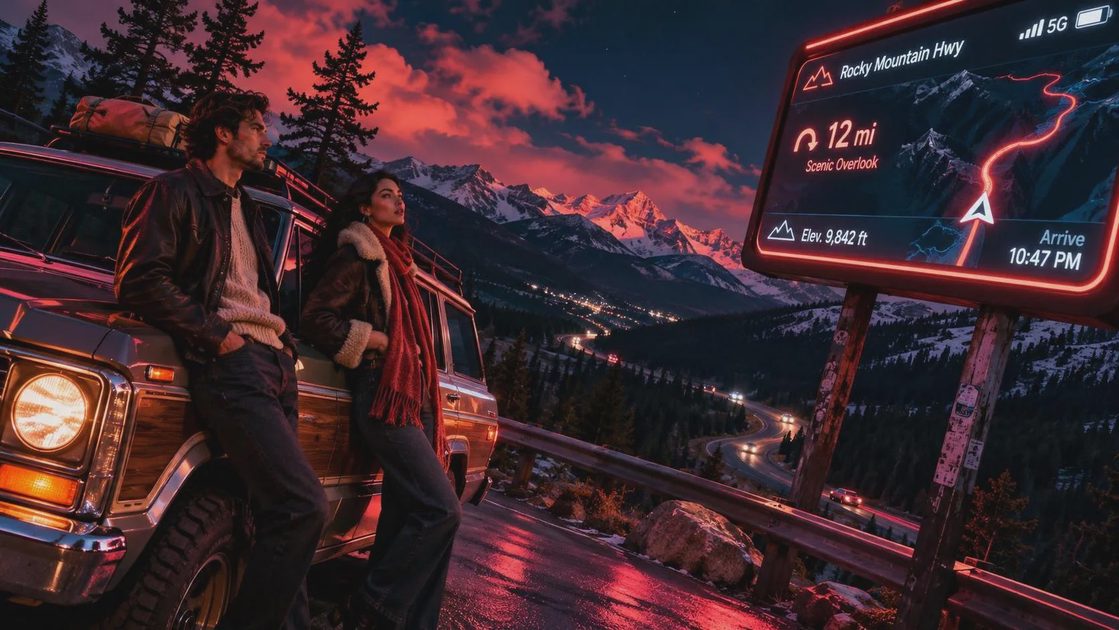
The Peak to Peak Scenic Byway connects the mountain communities of Boulder, Nederland, and Estes Park. It is one of the most approachable scenic drives in Colorado because it combines dramatic views with manageable logistics. You can make a full day of it, or use sections of the route as a relaxed escape from Denver.
The detail that made the trip for me was not one famous overlook. It was the rhythm of the drive: lodgepole pine, a glimpse of distant rock, a small storefront, then another bend revealing a larger view. Nederland is a natural pause for coffee or lunch, while Estes Park offers more choices for a late meal and a walk after parking.
Do not treat the posted speed limit as a target. Cyclists, wildlife, motorcycles, and vehicles entering from unmarked pullouts all share the road. Leave extra following distance and avoid stopping in travel lanes for photographs. If you are driving a performance car, the curves are entertaining, but smooth inputs matter more than horsepower.
San Juan Skyway: A full road-trip experience
For travelers with two or three days, the San Juan Skyway is among the most rewarding scenic drives in Colorado. The loop passes through Durango, Silverton, Ouray, and Telluride, with steep canyon walls, historic mining towns, and long stretches where the landscape does most of the talking. It is a serious drive rather than a quick afternoon outing.
Durango is a practical starting point, with lodging, fuel, and restaurants. Silverton feels more remote and compact, while Ouray is surrounded by dramatic cliffs that make even arrival feel cinematic. Telluride adds a polished mountain-town finish, but reservations can be expensive during popular weekends. Booking a room before departure is wiser than assuming you will find one at the end of the day.
The road includes mountain grades and curves that demand concentration. Give yourself daylight, especially if you are unfamiliar with the route. A full-size pickup is not necessary, and a large vehicle can feel cumbersome on tighter sections. A crossover with good tires, working brakes, and a full-size spare is the more useful choice.
Independence Pass and the road to Aspen
Independence Pass links the Twin Lakes area with Aspen and reaches more than 12,000 feet. It is among the most spectacular scenic drives in Colorado, but it also requires the most honest assessment of your vehicle and your comfort level. The road includes narrow sections and tight turns, and large vehicles may face restrictions.
Check the Colorado Department of Transportation for current closures before leaving. Snow, rockfall, and maintenance can change access. Bring water, layers, sunscreen, and a charged phone, but do not rely on cell service throughout the route. At high altitude, overheating and brake strain are real concerns, so use lower gears on descents rather than riding the brake pedal.
Aspen is an obvious destination, but the best stop may be a quiet viewpoint before town. Stretch your legs, let the engine cool, and give yourself time to notice the terrain. The road is not a racetrack; its appeal comes from the scale of the mountains and the concentration required to move through them respectfully.
What your car and insurance should be ready for
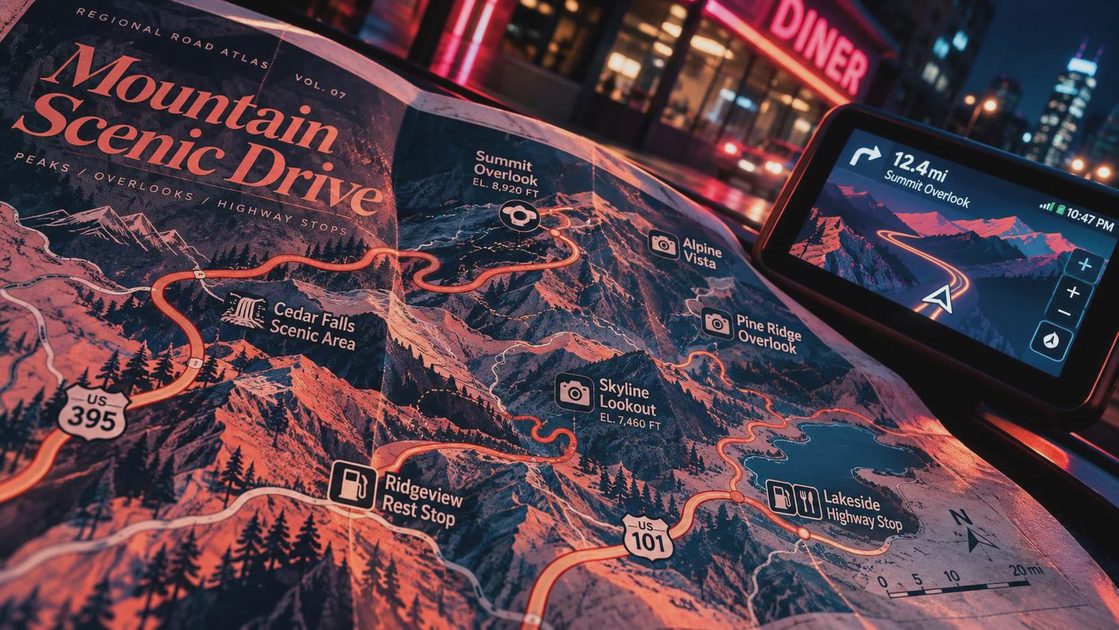
Preparation is part of the pleasure on scenic drives in Colorado. Before departure, inspect tire tread and pressure, windshield fluid, wiper blades, brake feel, coolant level, and battery condition. Mountain temperature changes can expose a weak battery or underinflated tire quickly. Carry water, a flashlight, basic first-aid supplies, snacks, and a portable charger.
Review your auto policy before a long trip. Liability coverage pays for injuries or property damage you cause to others, subject to your limits. Collision coverage generally applies when your vehicle is damaged in a crash, while comprehensive coverage is designed for non-collision losses such as theft, hail, falling objects, or contact with an animal. Roadside assistance can help with towing, a flat tire, or a dead battery, but limits and service charges differ.
If you are renting a car, confirm whether your personal policy extends to rental vehicles and whether the rental company’s protection fills any gaps. A quick quote comparison from providers such as Progressive, GEICO, State Farm, or Allstate can reveal whether adjusting deductibles or adding roadside service makes sense before the trip.
How to plan a better mountain drive
Start with the season, not the destination. Summer offers the broadest access, while fall brings golden aspen and cooler mornings. Spring can be beautiful in lower valleys but unreliable at high passes. Winter routes require a different plan entirely, including traction equipment, weather checks, and realistic daylight expectations.
Build the day around stops rather than miles. On a 150-mile mountain route, six hours can disappear after viewpoints, construction, lunch, and wildlife delays. Keep the driver comfortable with sunglasses, water, and layers. Share navigation duties with a passenger, and save a few offline playlists before entering remote country.
A year later, what I still think about is not the number of passes crossed. It is pulling over before sunset, hearing the engine tick as it cooled, and watching the last light move across the valley. That is the real appeal of scenic drives in Colorado: the road turns a destination into a story.
Before you go, compare routes, check official conditions, and request an auto insurance quote while your trip details are fresh. The right coverage will not make a mountain road less demanding, but it can make an unexpected tow, damaged windshield, or collision easier to manage.