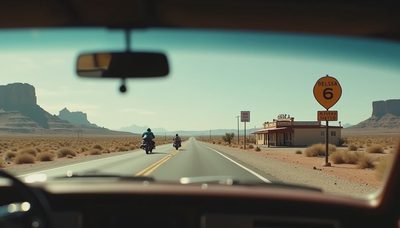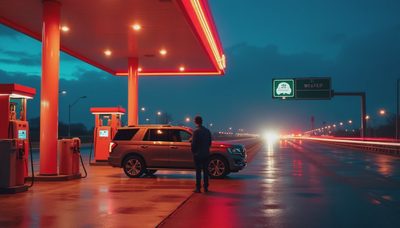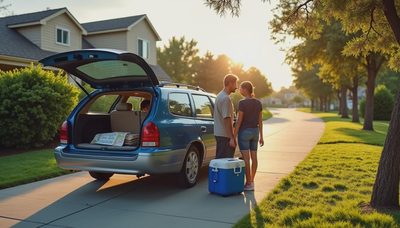
The first thing you notice after a long day behind the wheel is the quiet. The engine ticks as it cools, the coffee in your travel mug has gone cold, and the last orange light is fading behind the windshield. Finding reliable overnight parking rv options can turn that tired, uncertain moment into a calm evening with dinner, a shower, and a locked door between you and the highway.
The best overnight stop is not always the cheapest patch of pavement. It should be legal, reasonably secure, suited to your vehicle's size, and close enough to the next morning's plans. It should also fit your insurance situation, especially if your RV carries electronics, outdoor gear, kitchen equipment, or personal belongings.
Start With the Type of Stop You Need
Campgrounds and RV parks are the most predictable choice. They typically offer designated spaces, electrical hookups, dump stations, potable water, restrooms, and sometimes laundry facilities. Prices commonly range from about $25 to more than $100 per night, depending on location, amenities, and season. A full-service site near a national park or major city often costs more than a basic county campground several miles away.
Private overnight parking rv arrangements can be useful when you want something quieter or closer to a destination. Farm stays, wineries, breweries, and landowner-hosted sites may provide a scenic place to sleep, but services vary widely. Some are simply a permitted parking area with no water or power. Read the listing carefully, confirm the vehicle length limit, and ask whether late arrival is acceptable.
Rest areas and travel plazas are designed for short breaks, not extended vacations. Some allow overnight parking for RVs, while others restrict the duration or prohibit sleeping in a vehicle. Rules differ by state, county, and property owner. A well-lit truck stop can be practical for one night, but traffic noise, idling engines, and bright lights are part of the tradeoff.
How to Choose a Safe Overnight Location
Before pulling in, inspect the entrance and exit. A narrow turn, low branch, steep driveway, or soft shoulder can create an expensive problem for a Class A motorhome or a long travel trailer. Satellite views are helpful, but they cannot always show current construction, seasonal gates, or a tight corner. If the site has a published maximum vehicle length, measure your complete setup, including the tow vehicle and hitch.
Look for practical safety details rather than dramatic claims. Good lighting, visible staff, clear boundaries, and nearby occupied spaces are reassuring. Keep valuables out of sight, lock exterior compartments, retract awnings before leaving, and avoid displaying expensive bicycles or portable generators overnight. A motion-sensitive light and a simple wheel chock can add useful peace of mind without turning the campsite into a fortress.
The detail that made the trip easier for me was arriving before dark. Daylight reveals the slope of a site, the condition of the pavement, and the location of utility connections. It also gives you time to walk the area, check your surroundings, and prepare a quick meal before fatigue takes over. If you must arrive late, call ahead and save the host's instructions offline.
Understand What Your RV Insurance Covers
A standard auto policy for the tow vehicle does not automatically cover the entire RV or trailer. Motorhome owners generally need a specialized RV policy, while a travel trailer may require a separate policy or endorsement. Coverage can include liability, collision, comprehensive protection, roadside assistance, and coverage for personal belongings inside the recreational vehicle.
Liability coverage helps with injuries or property damage you cause to another person. Collision generally addresses damage from a crash, while comprehensive coverage can apply to events such as theft, vandalism, hail, falling objects, or fire. Deductibles matter: choosing a $1,000 deductible instead of $500 can reduce the premium, but you need that larger amount available after a covered loss.
Ask specifically about full-timer coverage if the RV is your primary residence. Occasional travelers may need less extensive protection than someone living in a motorhome for several months. Also ask about emergency expense coverage, replacement cost for personal effects, and roadside assistance that can handle the actual size and weight of your rig. Companies such as Progressive, Good Sam, and National General offer RV-focused products, while major insurers may provide trailer or motorhome options through their own programs.
Compare the Total Cost, Not Just the Nightly Rate
A free parking option can become expensive if it requires a long detour, lacks a safe place to walk a dog, or leaves you without power during extreme weather. A $45 campground may be better value than a free lot if it saves fuel, provides a dump station, and lets you refill water before the next leg.
For a simple comparison, write down the nightly price, driving distance, fuel cost, hookup fees, reservation charges, and any vehicle restrictions. Then add the value of time. If a private site near town lets you pick up groceries and enjoy dinner without moving the rig, it might beat a remote campground by more than the receipt suggests.
Overnight parking rv planning is especially important for larger vehicles because mistakes are harder to correct. A compact camper van can often reposition in a parking lot; a 40-foot motorhome towing a small car may need a full exit strategy before entering. Use the same care with a city stop that you would use when booking a hotel: verify the address, check arrival instructions, and understand cancellation terms.

A Practical Arrival Routine
Start by confirming that overnight parking rv is explicitly permitted. Do not rely only on a review from several years ago. Call the campground, check the property owner's current instructions, or read the posted signs when you arrive. Permission to park is not always permission to set up chairs, extend slides, run a generator, or remain for multiple nights.
Once parked, level the vehicle carefully, connect utilities without crossing a walkway, and keep cords and hoses protected from passing traffic. Close blinds at night, store food securely, and make sure smoke and carbon monoxide detectors are functioning. If severe weather is expected, know where the nearest indoor shelter is and keep shoes, keys, medications, and a flashlight easy to reach.
A useful travel folder should include the reservation confirmation, insurance information, roadside assistance number, vehicle dimensions, and emergency contacts. Photograph the site when you arrive, particularly if there are existing scrapes, broken branches, or damaged utility equipment. Those few minutes create a record and can prevent confusion later.
Make the Morning Better Than the Night Before
The best overnight parking rv choice sets up an easy departure. Before bed, check the weather, route, fuel level, and any bridge or road restrictions ahead. Put leveling blocks, sewer fittings, and electrical adapters where they can be reached without unloading the entire storage compartment. If you are leaving before sunrise, silence alarms and secure loose items inside the cabin.
Then consider breakfast. A small camp stove, good coffee, and fruit can make an early departure feel intentional rather than rushed. In a town with a trusted diner or bakery, leave the rig secured and take the tow vehicle instead of navigating a large motorhome through narrow streets. A year later, what I still think about is often that first warm meal after a cold start, not the parking lot itself.
With careful planning, overnight parking rv does not have to mean settling for an uncomfortable stop. Compare the setting, confirm the rules, protect your belongings, and match your insurance to how you actually use the vehicle. Before your next trip, get an RV insurance quote, review the deductible and roadside benefits, and reserve a legal site that lets you end the day with confidence.