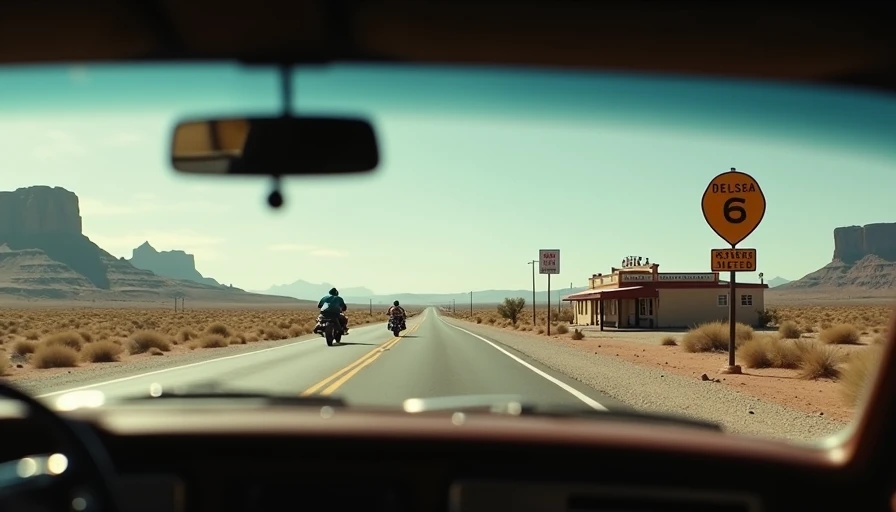
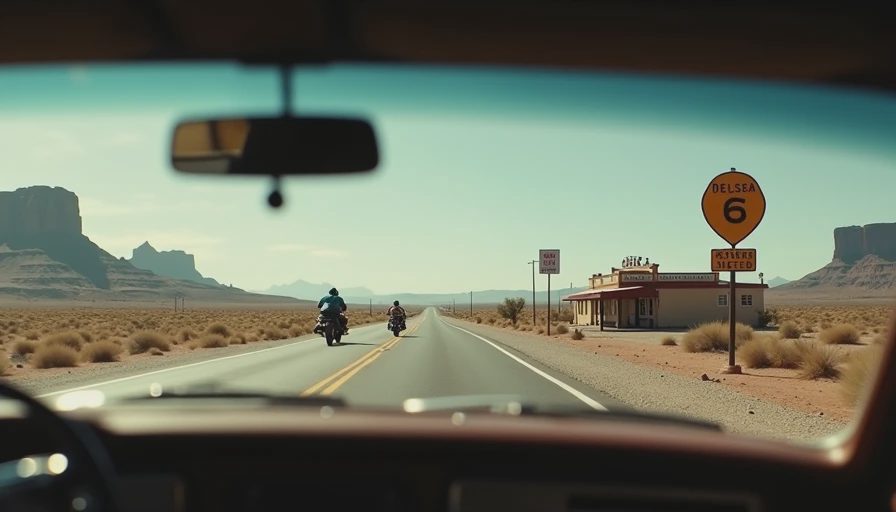
The first thing you notice on a motorcycle ride across Route 66 is the changing rhythm of the road. Pavement hums beneath the tires, wind carries the scent of hot asphalt and desert grass, and every small town seems to have one sign left from another era. Planning a moto route 66 trip is less about collecting highway miles than deciding which pieces of the old road deserve your time.
Historic Route 66 once connected Chicago and Santa Monica across roughly 2,400 miles. Today, the original road is interrupted by modern interstates, private property, missing bridges, and changing alignments. That is part of the appeal. A good ride combines preserved historic sections with practical detours, comfortable lodging, and enough empty space in the schedule to stop when something catches your eye.
Why a moto route 66 trip works so well
Route 66 gives riders a rare mix of scenery and scale. You can leave the architecture and diners of Illinois, cross the rolling plains of Missouri and Oklahoma, watch the landscape widen across Texas and New Mexico, then enter the high desert of Arizona and California. The motorcycle makes those transitions feel immediate. You smell cut hay before you see the fields and feel the temperature change as the road climbs toward higher ground.
The best version of a moto route 66 itinerary is not a race from state line to state line. Plan 150 to 220 miles on most riding days, with shorter days around major attractions or dense historic districts. That leaves time for a museum, a long lunch, a tire check, or an unplanned stop at a faded gas station. Riders who schedule 350-mile days repeatedly often remember fuel calculations and sore wrists more clearly than the scenery.
Choose a motorcycle that matches your priorities rather than the mythology. A Harley-Davidson touring model suits luggage and long pavement stretches, while a BMW R 1250 GS or Honda Africa Twin offers a more upright position for rougher alignments. A mid-size Kawasaki Versys or Yamaha Tracer can be a smart compromise for riders who want manageable weight without giving up highway comfort.
How to build the route without chasing every mile
Start by choosing a meaningful beginning and ending. Chicago to St. Louis creates an approachable eastern section with classic roadside architecture. Oklahoma City to Amarillo offers broad plains, historic towns, and a strong sense of the original road. Flagstaff to Santa Monica gives riders high-country air, desert scenery, and a dramatic finish near the Pacific. You do not need to ride the entire route for the experience to feel complete.
For a longer moto route 66 journey, divide the trip into regions instead of treating it as one continuous line. Mark fuel stops at conservative intervals, particularly through remote stretches of New Mexico, Arizona, and the Mojave Desert. Download maps before leaving larger cities because cell service can be inconsistent. A paper map tucked inside a tank bag is still useful when a road closure or weak signal changes the plan.
Reserve lodging in larger towns, but leave one or two nights flexible if the season allows. Historic motels can be memorable, although parking security, motorcycle access, and air conditioning matter more than a neon sign after a hot riding day. Call ahead to ask whether a bike can be parked near the room and whether covered parking is available.
Prepare the motorcycle and protect the trip
Before departure, inspect tread depth, brake pads, oil level, chain or belt condition, lights, and battery connections. Replace a marginal rear tire before the trip rather than hoping it survives another 1,000 miles. Pack a tire plug kit, compact inflator, spare fuses, charging cables, basic tools, water, sunscreen, and a first-aid kit. A lightweight rain layer earns its space even in a dry climate because mountain weather can change quickly.
Insurance deserves the same attention as luggage. Motorcycle policies commonly include liability coverage, which pays for injuries or property damage you cause to others, and collision coverage for damage from a crash. Comprehensive coverage addresses non-collision events such as theft, hail, fire, or animal damage. Ask about roadside assistance, trip interruption benefits, accessory coverage, and how luggage or aftermarket parts are valued.
Coverage limits that feel adequate for short local rides can deserve a second look on a cross-country trip. A damaged bike transported several hundred miles can create a large bill, and custom seats, panniers, navigation equipment, and riding gear may not automatically receive full replacement value. Compare quotes from providers such as Progressive, Dairyland, Geico, and local insurers, then read the policy details instead of choosing only by the lowest monthly premium. A few minutes of comparison can protect a trip that costs several thousand dollars to organize.

Plan the meals, not just the landmarks
Roadside food is one of the strongest reasons to slow down. Breakfast counters, green-chile plates, barbecue, pie, and cold drinks tell you where you are more honestly than a souvenir T-shirt. Look for busy local cafes during breakfast hours, when working residents and long-haul travelers often reveal which places have earned repeat business. Keep expectations practical: the best stop may have vinyl booths, a short menu, and no online booking system.
On a moto route 66 ride, plan a substantial meal before the most isolated stretch of road rather than waiting until hunger arrives. Carry snacks that survive heat, such as nuts, crackers, or protein bars, and refill water at every reliable stop. Dehydration can make a rider tired and inattentive long before thirst becomes obvious. Save the celebratory dinner for a walkable downtown where you can leave the motorcycle parked and unwind without checking the clock.
The detail that made the trip: food tastes different after a full day in the saddle. A simple green-chile stew in New Mexico or a slice of pie in a small-town cafe can become the memory that outlasts a famous viewpoint. Here's what you smell first, what you notice second, and what you'll remember a year from now.
Budget realistically for a long motorcycle ride
Fuel is only one line in the budget. For a 2,000-mile ride, a motorcycle averaging 40 to 50 miles per gallon might use approximately 40 to 50 gallons, before detours. Add motel rooms ranging from about $90 to $220 in many towns, meals, park fees, maintenance, and a reserve for an unexpected tire or tow. A two-week trip can easily land between $2,500 and $5,000 per rider, depending on lodging and how often you choose full-service restaurants.
Set aside at least one recovery day or a spare night. That buffer absorbs weather, mechanical delays, and the temptation to explore a town instead of departing at sunrise. Check forecasts every evening, but do not let a tight schedule pressure you into riding through lightning, extreme heat, or heavy crosswinds. The road will still be there after a safer overnight stop.
The route is better when it leaves room
A memorable moto route 66 trip is measured in details: the sound of a vintage sign buzzing outside a motel, the first cool air after a desert climb, a mechanic who helps tighten a loose mirror, or a lunch that was never marked on the map. Build a clear framework, confirm your insurance and roadside plan, and then leave room for the road to surprise you.
The goal is not to prove that you covered every surviving mile. It is to return home with a motorcycle that made the distance feel possible, a notebook full of places worth revisiting, and a year later, one meal and one horizon you can still picture clearly.