The best hiking trails often begin before your boots touch dirt. They start with the low hum of the engine, a paper coffee cup warming your hand, and the first open stretch of highway beyond the city. I have planned enough road trips to know that a great walk is only part of the story. The drive, parking plan, weather, lunch, and insurance details all shape the day. If you are searching for the best hiking trails in the United States, begin with a route that rewards both the driver and the hiker.
What makes a trail worth the drive
A memorable trail has more than a photogenic overlook. It has a clear sense of place, manageable logistics, and a payoff that feels earned rather than staged for a social feed. The best hiking trails might follow a creek through redwoods, climb above a desert basin, or trace a rocky shoreline with wind coming off the water. I look for a reasonable drive from a useful base, dependable parking information, and a nearby town where the post-hike meal is part of the itinerary.
Mileage matters, but elevation gain matters just as much. A four-mile loop with 1,200 feet of climbing can feel more demanding than a six-mile walk across rolling terrain. Read the route description, bring more water than you expect to need, and download an offline map before leaving cell service. On popular weekends, arriving before 8 a.m. can make the difference between a quiet trailhead and a stressful search for parking.
For car-focused travelers, the access road deserves attention too. A low-slung sports car is wonderful on smooth mountain pavement but less practical on a rutted forest road. My Subaru Outback is not glamorous, but its ground clearance and cargo space make it an excellent hiking partner. Check tire pressure, fuel level, and the condition of your spare before heading toward remote trailheads.

Best hiking trails for different kinds of travelers
The best hiking trails are not identical for every traveler. A couple wanting a half-day escape might prefer a shaded loop with a bakery or cafe nearby. A family may value bathrooms, clear signage, and a short route with several stopping points. Experienced hikers might prioritize solitude, elevation, or a challenging summit over convenience.
For a first trip, consider destinations with several options in one area. Yosemite, the Olympic Peninsula, the Colorado Front Range, and the Great Smoky Mountains offer short walks alongside longer routes, so your group can adjust when weather or energy changes. In the West, Sedona combines dramatic red-rock scenery with a wide range of trail lengths. In the East, the Blue Ridge region offers forested ridges, overlooks, and small towns where a hot meal is easy to find.
The best hiking trails for a road trip also leave room for an unplanned stop. A farm stand, historic main street, or roadside viewpoint can become the detail that made the trip. Avoid filling every hour. A slow breakfast and an extra 30 minutes at an overlook often create a better memory than another rushed trail on the checklist.
Plan the drive as carefully as the hike
Start by calculating the full day, not just the walking time. A trail listed as three hours may require an hour of driving each way, 20 minutes to find parking, and another hour for photos and lunch. Add daylight, seasonal road closures, charging or fuel stops, and a buffer for traffic. This is especially important near national parks, where a short distance on the map can take much longer during peak season.
Before departure, inspect your vehicle for worn tires, low fluids, cracked wiper blades, and warning lights. Pack a small emergency kit with a flashlight, first-aid supplies, jumper cables, water, a blanket, and a phone power bank. Electric-vehicle drivers should locate reliable charging stations before entering mountain areas; a destination charger is not a substitute for planning the return trip.
Your auto insurance deserves a quick review as well. Liability coverage helps pay for injuries or property damage you cause in a crash, while collision coverage generally applies to damage to your car from a collision. Comprehensive coverage typically addresses non-collision events such as theft, falling branches, hail, or animal strikes. If the trailhead is remote, confirm your roadside assistance limits and whether towing distance is adequate for the route.
Protect the car at the trailhead
Trailhead parking is often less secure than a downtown garage. Do not leave passports, camera bags, electronics, or visible shopping bags inside the vehicle. Lock the car, close the windows, and keep registration and insurance cards organized without displaying personal information. A discreet trunk organizer can hold hiking shoes, snacks, and valuables beneath a cover.
Consider the difference between a $500 and $1,000 comprehensive deductible before the trip. The lower deductible usually costs more in premium, but it could reduce your out-of-pocket expense after broken glass or weather damage. Collision deductibles work differently from roadside assistance, so roadside service does not replace physical damage coverage. If you are borrowing a car, understand the owner’s policy and the rental agreement before leaving town.
Shopping quotes from companies such as State Farm, Progressive, GEICO, and Allstate can be useful, but price is only one part of the comparison. Look at liability limits, deductible amounts, rental reimbursement, and claims service. A policy that saves $80 a year may be less attractive if it provides weak protection for a vehicle used on frequent long-distance trips.
Build a practical trail-day kit
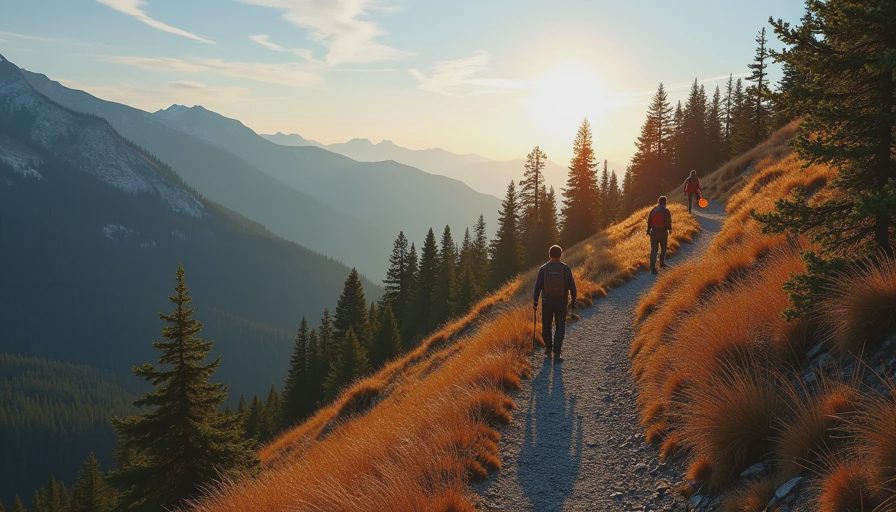
The best hiking trails can expose small planning mistakes quickly. Pack water, food with protein and salt, sunscreen, layers, a basic first-aid kit, and a headlamp even for a daytime outing. Trails can take longer than expected when a bridge is closed, a group member needs a break, or a scenic overlook turns into an impromptu lunch stop.
Wear shoes that fit the terrain rather than the photograph. Trail runners can work well on maintained paths, while boots provide more support on rocky or muddy ground. Bring a paper map or downloaded route, because service can disappear just when you need it. Let someone outside the group know your route and expected return time for remote outings.
Food is part of my route planning. A thermos of coffee and a sandwich eaten at a viewpoint can be better than a complicated reservation after a tiring hike. Still, research the destination before promising a particular restaurant. Hours change, small-town kitchens close between lunch and dinner, and the best post-trail meal is sometimes a grocery-store picnic beside the car.
Choose your next route with confidence
The best hiking trails reward preparation without feeling overmanaged. Match the route to your group, confirm current conditions, and give the drive enough time to become part of the experience. Review your auto insurance, secure the vehicle, and carry the equipment that makes a delay inconvenient rather than dangerous.
A year later, what I still think about is rarely the exact mileage. It is the smell of pine after a cold morning, the sound of gravel under shoes, and the first bite of food after the descent. Search for the best hiking trails, then choose one that gives you a reason to enjoy the road there and back. Before you leave, compare auto insurance options and request a quote that fits the way you actually travel.